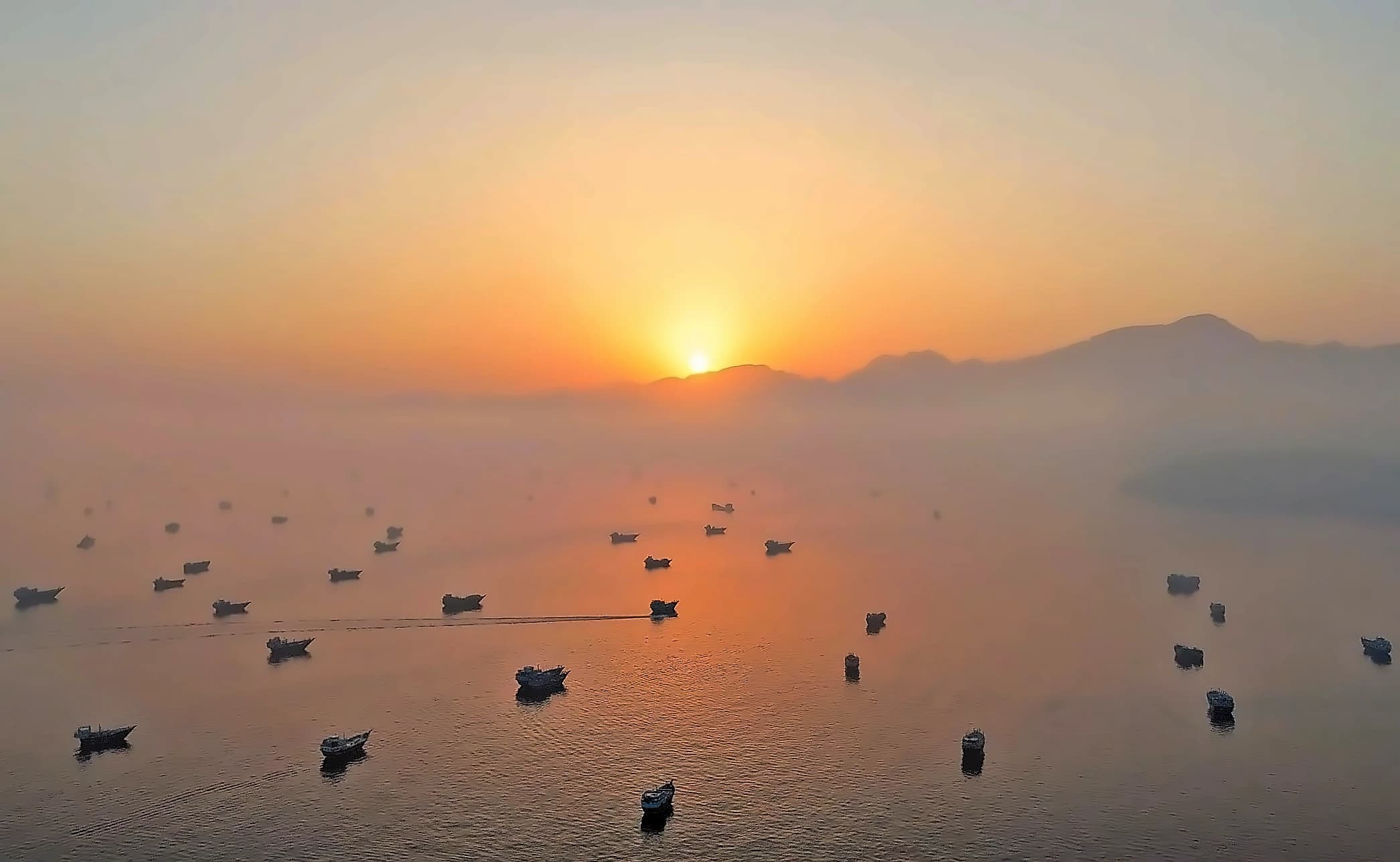
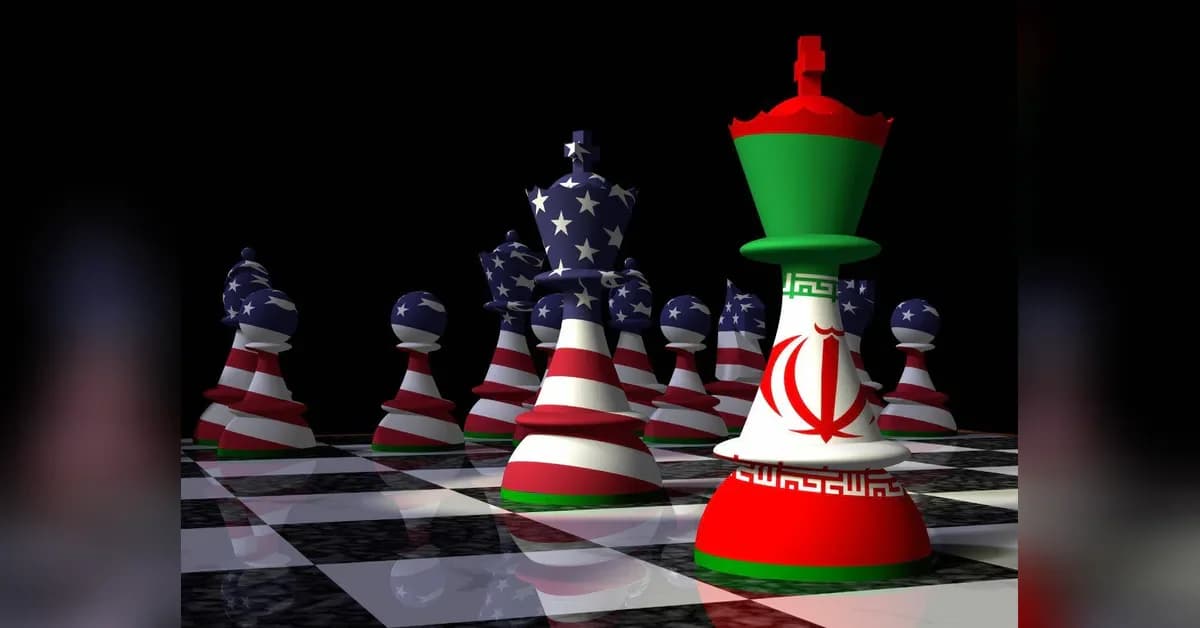
The United States is working on arrangements to ensure safe passage of commercial vessels through the strategically important Strait of Hormuz, with Washington seeking assurances from Iran that ships using the waterway will not be targeted. According to Al Jazeera, the Pentagon has confirmed that work is underway on arrangements that could allow commercial vessels to navigate the strait safely, with a central element being an understanding that Iran would refrain from opening fire on ships using designated routes through the waterway. However, Tehran's latest statements suggest that any reopening of the strait will depend on broader political and security conditions, creating a complex negotiation framework. Iranian Foreign Minister Abbas Araghchi confirmed that Tehran and Muscat were 'very close' to an agreement on a new arrangement for shipping through the strait, but stressed that the agreement with Oman would not be sufficient on its own. As per Iran's Tasnim news agency, IRGC spokesperson Hossein Mohebbi emphasized that the reopening was 'contingent upon the United States accepting Iran's conditions and has no connection to the Iran-Oman negotiations', adding 'Whenever the United States accepts Iran's conditions, the Strait of Hormuz will certainly be reopened.'
Iran has laid out a series of comprehensive conditions for reopening the Strait of Hormuz, setting the stage for a fresh standoff with Washington. Tehran's demands include an end to US threats and military action against Iran and its regional allies, withdrawal of US naval and air forces involved in the blockade, compensation for damage caused during the conflict, lifting of US sanctions and the unfreezing of Iranian assets. The IRGC has additionally demanded that Washington stop interfering in regional negotiations. According to Business Standard, Mohammad Bagher Zolghadr, the secretary of Iran's Supreme National Security Council, called for the United States to lift its naval blockade and sanctions on Iran's oil and petrochemical exports, withdraw the US military from around Iran, pay war reparations and release frozen Iranian assets, as well as end attacks on Iran's allies in the region, including Lebanon, and threats against the country. The demand for reparations is also a familiar one, with Iranian officials stating in local media that it serves as a bargaining chip to get as much sanctions relief from Washington as possible. Iran's army spokesperson Amir Akraminia warned Washington against attempting to alter the existing situation, saying 'The United States has no choice but to accept the existing situation; otherwise, it will incur costs far greater than those it has faced in the past'.
For Iran, the Strait of Hormuz represents its best leverage to get Washington to release Iran's frozen assets, lift economic sanctions and end its naval blockade. According to Business Standard, Esfandyar Batmanghelidj, founder of the Bourse & Bazaar Foundation, explained that denying Trump the ability to claim victory over the strait is the most efficient lever to persuade him to recommit to those agreements and to implement them. Ali Vaez, Iran project director for the International Crisis Group, compared the strait to a 'sword of Damocles over Trump', stating that 'Iran wants to front-load benefits without surrendering its main leverage, which is Hormuz'. Iranian officials are concerned that if the strait opens, Trump would walk away from this conflict without feeling the need to resolve it, wanting to use the strait as a commitment mechanism to ensure Trump implements the various provisions of the MOU. Sanam Vakil, director of the Middle East and North Africa program at Chatham House, noted that 'The Iranians don't want to do this for free', emphasizing that 'The strait is not about fees, it's about control and leverage for the rest of the package'.
Washington wants unrestricted commercial shipping through the Strait of Hormuz and has indicated readiness to lift restrictions once conditions are met. A US official told Reuters that 'There is progress between Oman and Iran on the strait, and we expect a deal soon. Once the deal is announced to restore commercial shipping without impediments, the United States will lift the blockade of Iranian ports.' The official added that 'As always, US actions will continue to be performance-based and tied to Iran's implementation of its commitments.' President Donald Trump has also stated that 'a lot of progress' has been made and claimed Iranian officials had reached out seeking fresh talks, with Trump adding 'We'll know in 48 hours'. However, US President Donald Trump has also said the US Navy is leading the blockade and that Washington controls it, indicating the current military posture remains in place. On Sunday, speaking to journalists, Foreign Minister Abbas Araghchi of Iran said 'Talks with Oman on the Strait of Hormuz are progressing well and in final stages as experts are working on maps', but emphasized that 'an agreement with Oman does not mean reopening the strait, which remains dependent on fulfilling conditions conveyed through mediators'.
Gold prices have climbed for the fourth straight session, reaching a seven-week high as investors reacted to hopes that shipping through the Strait of Hormuz could resume. According to Reuters, spot gold rose one per cent while gains were supported by a weaker US dollar, lower Treasury yields and optimism over a possible Iran-Oman deal. The market movement reflects growing confidence in the diplomatic track, with investors responding positively to signs of potential progress in negotiations. This represents a significant shift from earlier market volatility when tensions escalated between the two nations. The US push for safe passage comes as Washington seeks to restore commercial shipping through Hormuz and limit further pressure on global energy markets, with any credible arrangement potentially easing uncertainty for shipping companies, oil traders and energy importers. The Strait of Hormuz is a crucial global energy chokepoint, carrying around a fifth of the world's oil and gas shipments before the conflict, making any prolonged disruption potentially significant for energy markets, shipping costs and global inflation.
The negotiations reveal divisions within the Iranian system about how to proceed, which has led to the emphasis on these comprehensive demands. According to Chatham House, some officials see diplomacy as the best path to economic reconstruction, while others, the hard-liners, are so skeptical and paranoid that they would prefer to hold on to their leverage rather than think of the economy. Sanam Vakil noted that 'There are also those in Washington who believe that once the strait is open, Trump would be tempted to walk away from the whole issue and leave Iran's highly enriched uranium buried in the ground'. However, Iranian officials also see Washington as divided, with some pushing for diplomacy and others for more bombing, and Trump 'blowing one way or another'. The memorandum of understanding 'is the floor from which everyone will try to build a structure for a deal', but 'we're far away from that', as noted by analysts. Iran's negotiations with Oman on how traffic would move through the strait once it is open are essentially done, but Iran wants to tie the strait to the restoration of the memorandum, which would require further talks with the United States.