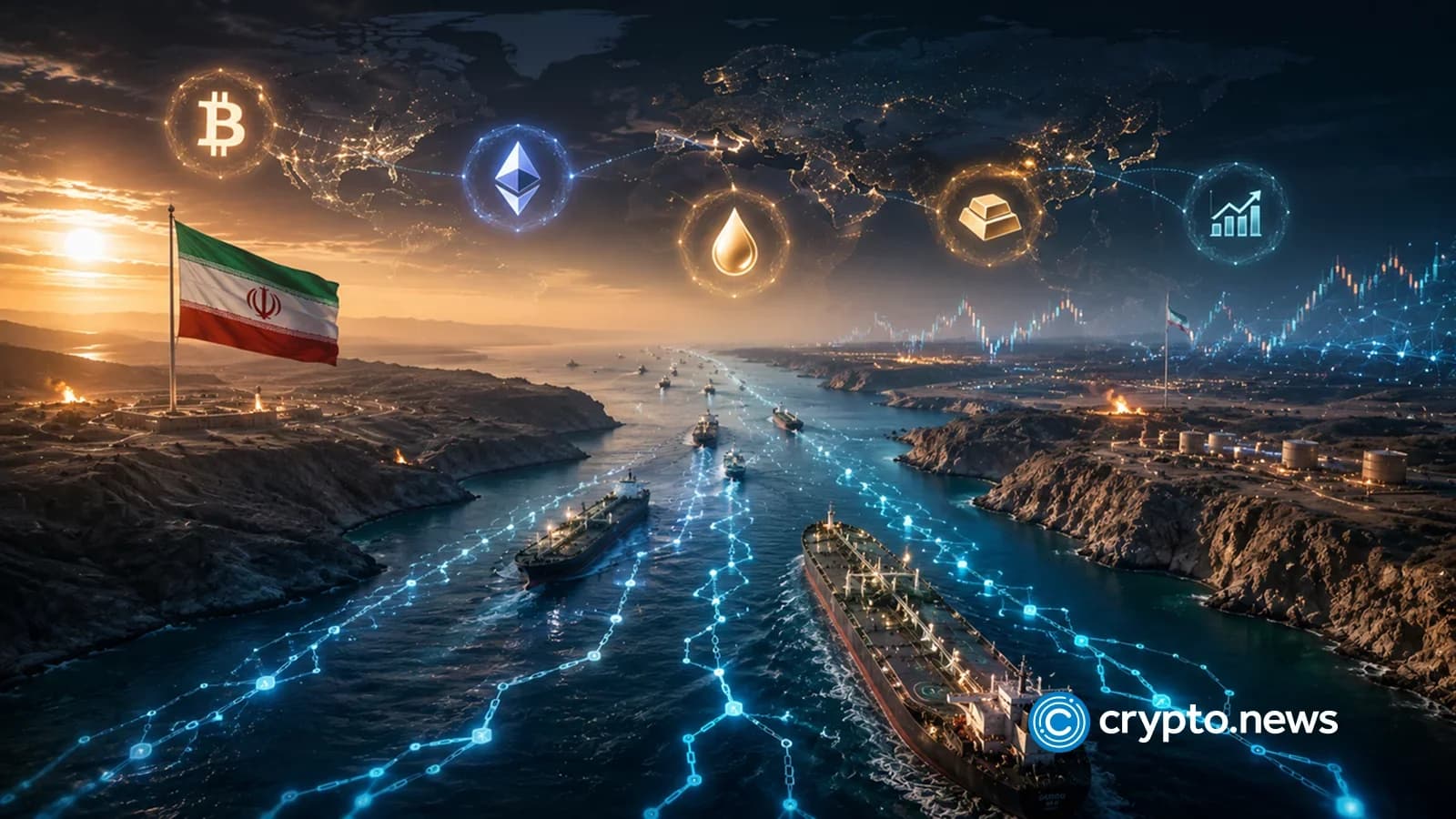
Iran has rejected US President Donald Trump's contention that peace talks could continue without a ceasefire, demanding that Washington meet Tehran's conditions for resolving transit issues through the Strait of Hormuz and normalizing its oil exports. According to the Business Standard, the Iranian authorities want the US to implement "agreed-upon understandings" before any talks take place, as reported by the semi-official Fars news agency citing an informed source. The rejection came hours after the US demanded that Iran publicly declare all channels of the Strait of Hormuz open to shipping and pledge not to attack civilian vessels transiting the waterway. Tehran will face consequences if it fails to deliver the public assurance, senior Trump administration officials told reporters on condition of anonymity. Despite the latest flare-up in tensions, US officials said they expect expert-level discussions with Iran to continue, with Iranian Foreign Minister Abbas Araghchi traveling to Oman on Saturday for talks on the future of Hormuz.
President Donald Trump has escalated his threats against Iran with a new post on Truth Social declaring that "a thousand missiles are locked and loaded and aimed at the Islamic Republic of Iran, with thousands more to immediately follow, should the Iranian Government act on its threat." Trump's latest threats come after Supreme Leader Mojtaba Khamenei vowed to avenge his father's killing, stating during his father's funeral that such revenge "is the will of our nation and must certainly be carried out." The escalation follows what US officials described as a rogue faction of Iranian hard-liners trying to sabotage the ceasefire between Tehran and Washington. As reported by Associated Press, Trump dismissed Tehran's leaders, calling them "scum" and "sick people," while Vice President JD Vance said Iran was "well behaved for about a week" before resuming attacks on the strait. Trump also made the comments after the funeral of Supreme Leader Ayatollah Ali Khamenei saw open calls for the US leader's killing, with mourners repeatedly holding posters calling for Trump's assassination along with Israeli Prime Minister Benjamin Netanyahu.
The United States is demanding that Iran make a public statement guaranteeing safe passage through the Strait of Hormuz, according to senior US officials who spoke on condition of anonymity to reporters. As reported by Associated Press, the US is working on pressing Iran to make a public statement that the vital waterway is open and free to ships to transit. However, Iran has so far not submitted to US demands over the Strait of Hormuz, instead insisting that the route remain under its control and that it be allowed to charge ships moving through it. Tehran's diplomat at the United Nations told reporters that any activity in the Strait of Hormuz, including its opening or demining operations, "rests exclusively with Iran." Iran has said the strait must now be under its sole control and that vessels should begin to pay fees to Tehran, even though the world for decades has considered it an international waterway. Iranian Foreign Minister Abbas Araghchi on Saturday accused the US of violating the interim deal by ending waivers allowing Iran to sell crude oil on the open market in US dollars, writing on X that "Reality check: There can only be mutual compliance."
The resumption of strikes this week came after what US officials described as a rogue faction of Iranian hard-liners trying to sabotage the ceasefire between Tehran and Washington. According to Associated Press reports, a power struggle is playing out in real time in Iran after US and Israeli strikes at the start of the war killed its longtime leader, Ayatollah Ali Khamenei. Iran has insisted its theocracy is unified after the war under the country's new supreme leader, despite the challenges. Parliament speaker Mohammad Bagher Qalibaf, Iran's lead negotiator, said the Trump administration had repeatedly violated the terms of the initial pact, forcing the country to respond appropriately. "The era of bullying and extortion is over," Qalibaf posted on X. "It leads nowhere. We don't fold." US President Donald Trump reiterated on social media Friday that he views the interim ceasefire deal as "OVER!" but said the US would continue talks aimed at putting a permanent end to the war. The officials underscored that Trump is giving negotiators limited time to reach a deal with Iran, but they emphasized that the president has a wide range of options if talks fall apart.
Regional intelligence officials involved in mediation efforts said the conflict had reached a critical stage as mutual mistrust rises, with high-level communications happening around the clock to salvage the ceasefire. According to Associated Press, the foreign ministers of Pakistan and Qatar, as well as Egypt's intelligence chief, are leading the efforts, while Turkish President Recep Tayyip Erdogan and leaders from Saudi Arabia are also involved. Pakistani Prime Minister Shehbaz Sharif spoke separately on Friday with Iranian President Masoud Pezeshkian and with Qatar's ruling emir, Sheikh Tamim bin Hamad Al Thani, stressing to both the need for restraint and diplomacy. Turkish Foreign Minister Hakan Fidan told his country's state broadcaster TRT that he believed "a solution can be reached" this weekend between Iran and Oman, which lie on opposite sides of the narrow waterway. Meanwhile, the leader of the UAE, Sheikh Mohammed bin Zayed Al Nahyan, traveled to Kuwait immediately after the Iranian attack for a meeting with the small, oil-rich nation's ruling emir. Gulf Arab countries also held calls with Qatar's foreign minister, who has been deeply involved, along with Pakistan, in mediating Iran-U.S. talks. However, Iranian state media quoted Esmail Kousari, a member of the parliament's national security committee, as warning the UAE would "pay the price for its cooperation with the United States," accusing the Emirates of having a 'behind-the-scenes' role in recent US attacks.
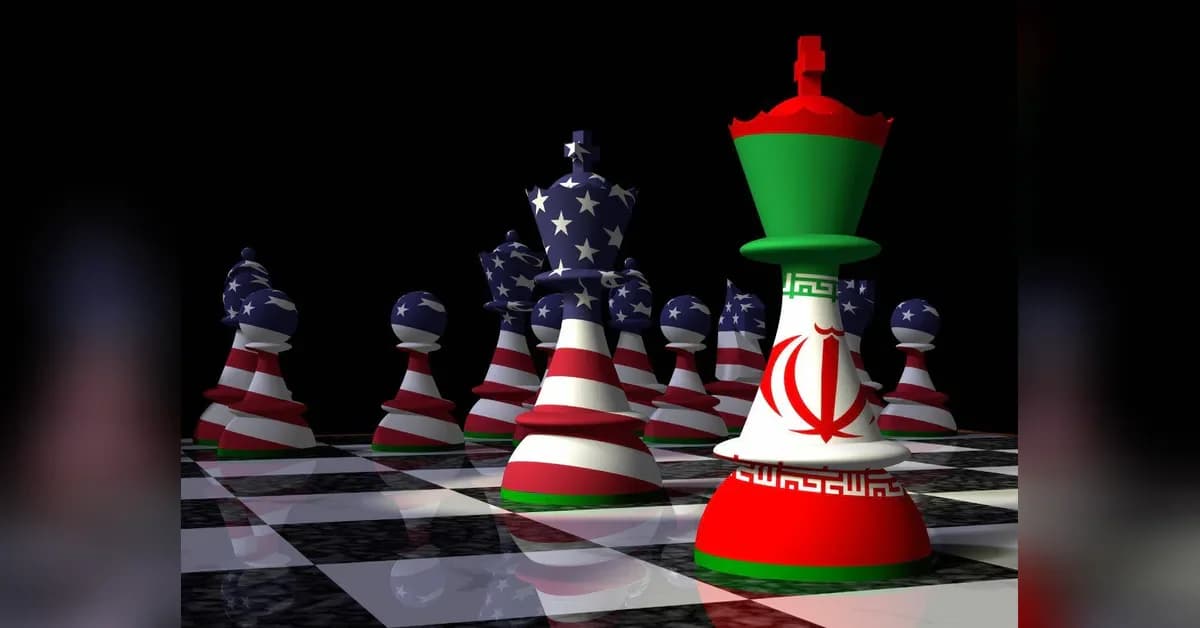
The conflict has intensified with multiple days of US airstrikes targeting Iran, as well as Iranian retaliatory fire targeting nations across the West Asia. According to Associated Press, the strikes in Iran over two days killed at least 17 people and wounded 115 others, as reported by Iranian Health Ministry spokesperson Hossein Kermanpour. Iran on Thursday retaliated for US strikes by targeting Bahrain, Jordan, Kuwait and Qatar. The US continues to urge mariners to travel on a southern route through Oman's territorial waters to avoid Iranian waters and the commands of its paramilitary Revolutionary Guard, though this has angered Tehran and sparked the attacks in the strait. About a fifth of all traded oil and natural gas passed through the strait before the war began, making it a vital waterway for world energy markets. Iran's grip on the strait during the conflict led to a global energy crisis, though oil prices have sharply dropped since wartime highs of $120 a barrel. The recent tensions, along with a US Treasury move to revoke a waiver allowing Iran to sell its oil globally, posed the biggest challenges yet to the truce.
The US officials also told journalists that any deal on Iran's nuclear programme would require Tehran to turn over its stockpile of highly enriched uranium, with the US threatening military options if Iran doesn't comply. The uranium, enriched to near weapons-grade levels, is believed to be at nuclear sites the US bombed in 2025. Iran has repeatedly refused to turn over this material, with the US officials noting they would never reach a nuclear deal with Iran if it didn't first stop its attacks on ships in the Strait of Hormuz. Iran long has insisted its nuclear program is peaceful, despite the International Atomic Energy Agency saying the Islamic Republic is the only country in the world to enrich uranium so highly without a weapons programme. The officials also insisted that they would never reach a nuclear deal with Iran if it did not first stop its attacks on ships in the Strait of Hormuz, adding that if the US does not reach a deal with Iran to turn over its nuclear material, it has military options to ensure that it remains buried underground forever.