US and Iranian negotiators in New York are exploring a phased arrangement aimed at ending the nearly seven-month conflict, with a potential deal involving Iran reopening the Strait of Hormuz and the US lifting its economic blockade. According to Reuters, citing sources familiar with the talks, the Strait of Hormuz has emerged as the key bargaining point in the negotiations. The phased approach reflects both sides' desire to preserve key negotiating leverage while working toward a comprehensive settlement. Iran is seeking relief from the US economic blockade, which has hit its oil exports and access to foreign currency, while Washington wants the strategic waterway reopened to international shipping.
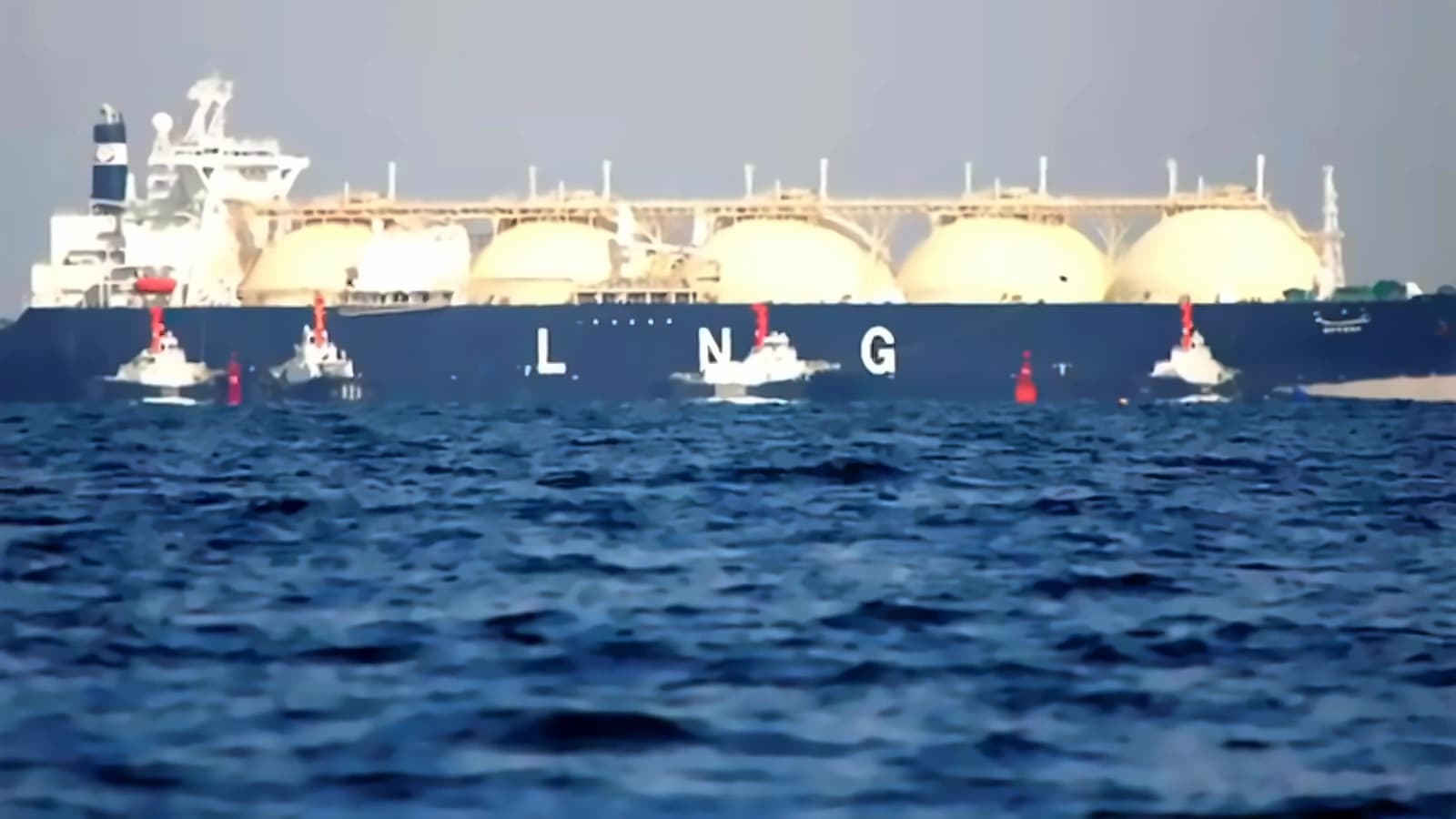
Following the Reuters report, crude oil prices declined significantly, with Brent crude dropping over 2% to trade near $98 per barrel. The Strait of Hormuz is a critical waterway that carries approximately 20 million barrels of oil per day - roughly one-fifth of global consumption and around one-fifth of global LNG trade through the narrow waterway connecting the oil-rich Persian Gulf to the Indian Ocean. As per market analysts, the reopening of this critical waterway can drive oil prices significantly lower, providing major macroeconomic relief for India, the world's third-largest importer of crude oil. Experts believe a significant fall in crude oil prices can trigger a trend reversal in the Indian stock market, which has been rangebound lately.
The June MoU, which aimed to provide a framework for further negotiations including discussions on Iran's nuclear programme, committed both countries to negotiating a final deal within a maximum of 60 days with possibility of mutual extension. However, the agreement quickly unravelled amid disagreements over Strait of Hormuz control, with US President Donald Trump declaring the agreement "over" on July 7, while Iran's Foreign Ministry declared it suspended a week later. According to Reuters, Ghalibaf told the Iranian Parliament that the US would have to lift its blockade of Iranian ports, remove sanctions against Iran, release Iranian frozen assets, end US threats against Iran, end US military operations against Iran on all fronts and implement other commitments that Tehran says Washington made under the June MoU. The agreement's collapse has effectively made the Strait of Hormuz reopening contingent on US compliance with these conditions.

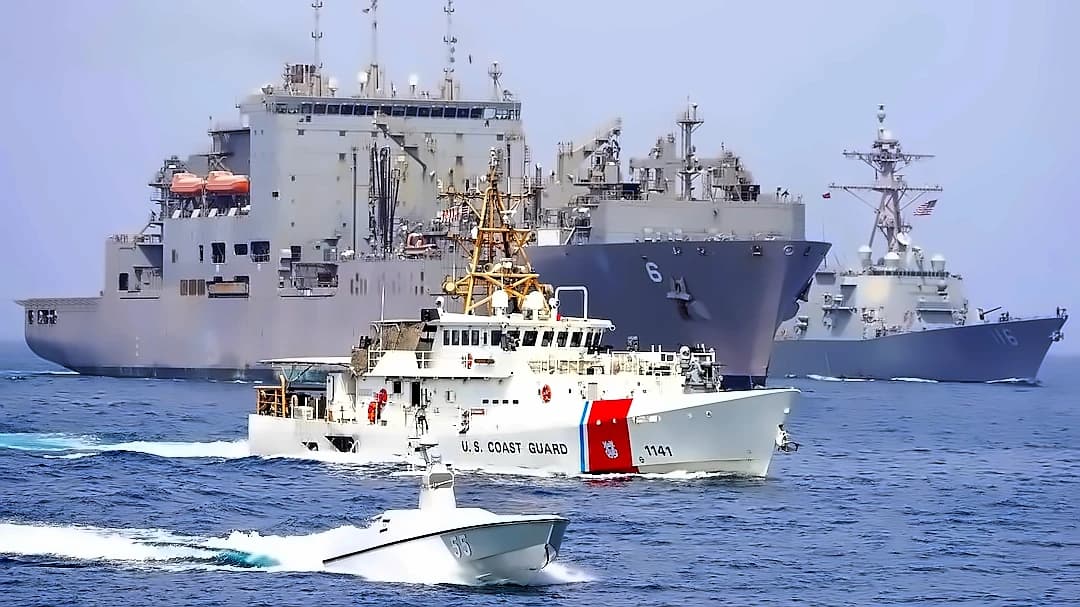
US Central Command has significantly intensified its enforcement of the naval blockade against Iran, with CENTCOM forces redirecting 109 commercial vessels as of September 20 to ensure total compliance with Washington's maritime restrictions. According to CENTCOM, the US military resumed enforcement of the blockade against maritime traffic entering and leaving Iranian ports on July 14, marking a substantial escalation in naval operations. This represents a significant increase from the previous enforcement efforts, with the US military now actively redirecting commercial vessels to maintain pressure on Iranian maritime operations. The enhanced blockade enforcement comes as the US continues to support the record shipment levels through the Persian Gulf, demonstrating the dual approach of maintaining energy flows while restricting Iranian access to its own maritime resources.
Iran's central military command has issued stark warnings against any US military action, with the Khatam al-Anbiya Central Headquarters stating that any US military action would be met with "continuous, effective and painful" attacks. As reported by Iran's state-run IRNA, the military command warned that "should the United States make any mistake against the Islamic Republic of Iran, all its bases and interests in the region will be targeted in continuous, effective and painful attacks without any limitation or consideration." The Iranian military command also warned regional countries against supporting any US military operation against Tehran, saying countries that assist Washington would be regarded as participants in the action. These warnings come amid growing regional tensions, with Saudi Arabian authorities issuing two early-morning air raid alerts for Riyadh and the Houthis carrying out almost daily strikes against Saudi Arabia, highlighting the broader escalation of US-Iran confrontation across the Middle East.