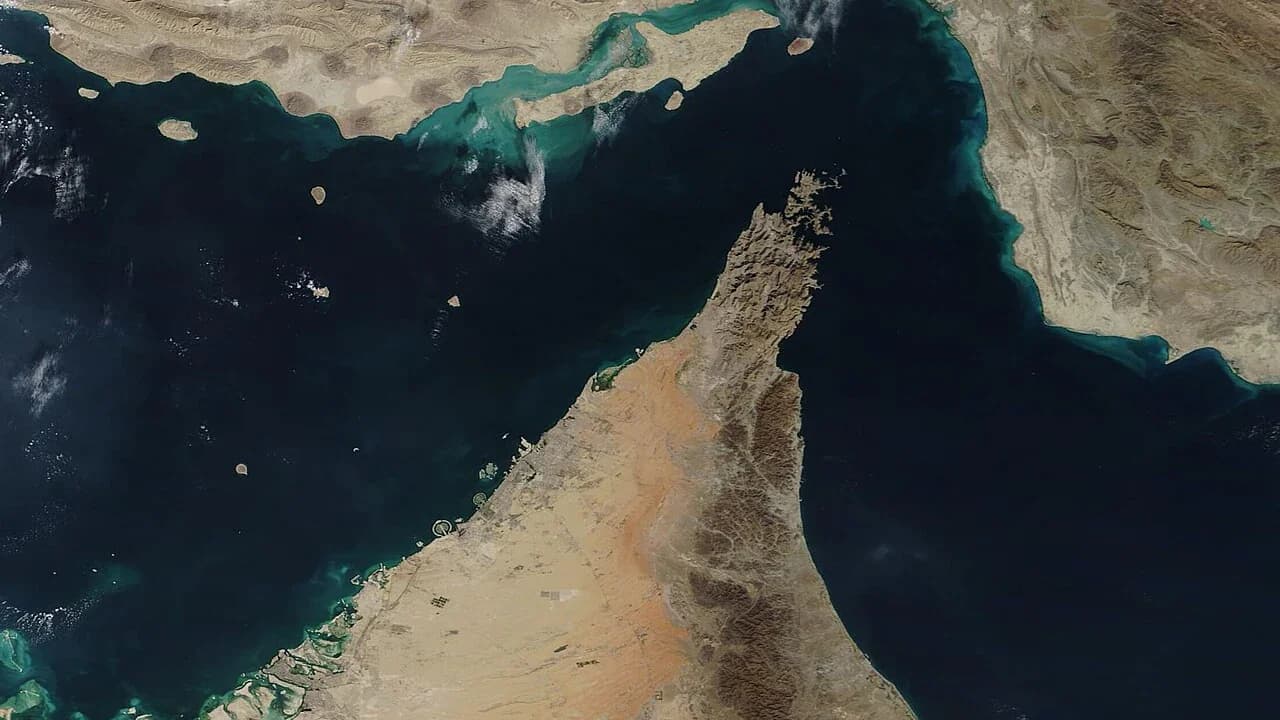
Iran has announced significant progress in its negotiations with Oman over the Strait of Hormuz, with Iranian Foreign Affairs spokesperson Esmail Baghaei confirming that 'an understanding has been reached regarding the map of the transit route' during talks in Tehran. According to Business Standard, the deal would reopen the strait with ships entering through a route close to Iran and exiting through a route close to Oman, with ships transiting without paying fees or tolls during an interim period. Baghaei noted that while talks have proceeded slowly, both sides are working to finalize the understanding in the form of a package: the map plus a joint statement. This development comes as the 60-day negotiating period to find a peace deal between the US and Iran was expiring with no word of an extension, with both sides seemingly as far apart as they were at the start.
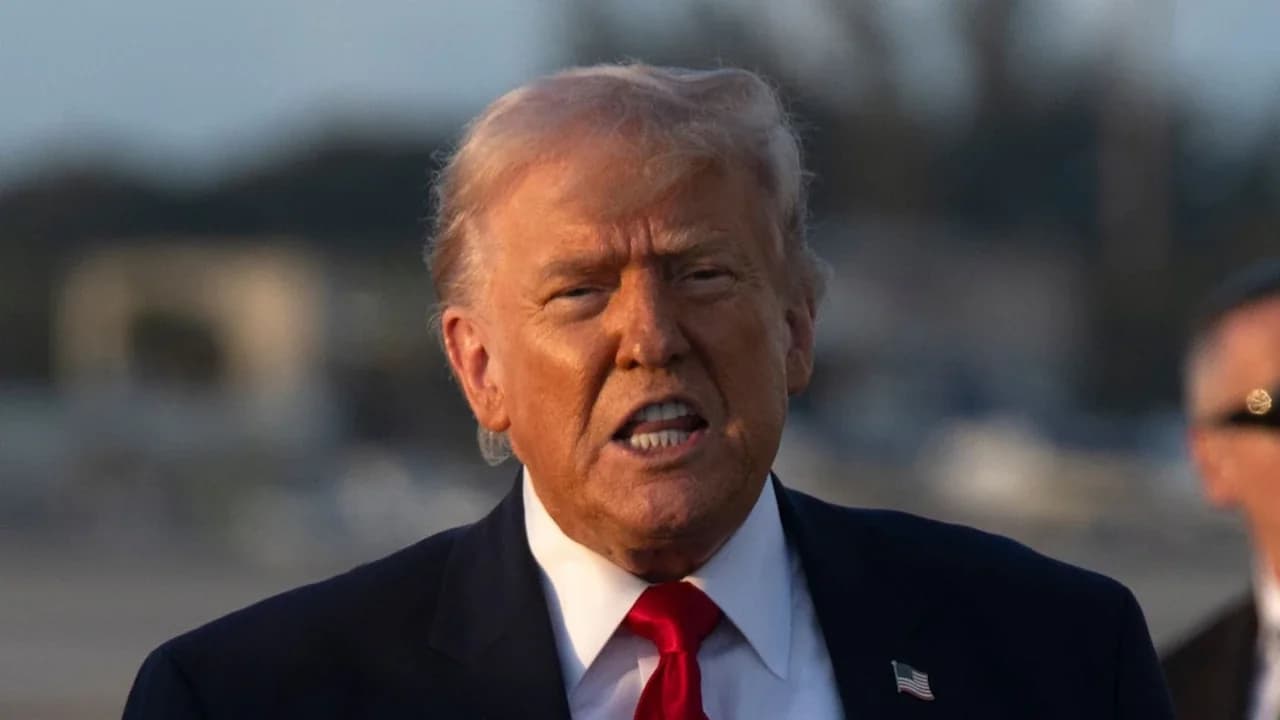
US President Donald Trump has issued an escalated threat to Oman, warning during cabinet discussions on May 27 that the United States would 'blow them up' if the Gulf nation attempts to broker its own arrangement with Iran over control of the Strait of Hormuz. According to reports, Trump stated 'Oman will behave just like everybody else, or we'll have to blow them up,' framing Oman's independent diplomatic efforts as interference rather than mediation. The threat represents a dramatic escalation in Washington's rhetoric toward one of its most reliable Middle Eastern partners, as the sultanate has historically served as the Gulf's honest broker and facilitated the 2015 Iran nuclear deal. The statement came during cabinet discussions on May 27, as US-Iran negotiations continued to stall and Oman quietly advanced its own diplomatic track with Tehran. In his latest escalation, Trump told Fox News that the US would bomb Oman if it 'gets in the way' using an expletive for emphasis, as reported by Business Standard.
Iran has now linked the reopening of the Strait of Hormuz to specific US concessions, with Parliament Speaker and top negotiator Mohammad Bagher Ghalibaf stating that the Trump administration must meet specific conditions before Tehran considers reopening the strategic waterway. As reported by Al-Arabiya English, Ghalibaf declared that 'Until the Trump regime removes the blockade, ends the wars across the region, returns Iran's stolen assets, lifts the oil sanctions, and ceases its military threats, the Strait of Hormuz will remain closed.' Ghalibaf also warned that Iran was prepared to respond more forcefully depending on the actions of its adversaries, representing a significant hardening of Iran's position beyond the initial transit route agreement. This development comes as the 60-day negotiating period to find a peace deal between the US and Iran was expiring with no final agreement reached.
The diplomatic tensions center around the Strait of Hormuz, a strategically important waterway that has been largely inaccessible since early 2026 due to the ongoing US-Israeli military campaign against Iran. According to reports, Iran effectively closed the strait - through which roughly one-fifth of the world's traded oil supplies passed before the war - after Israel and the US attacked the country on February 28. The closure of this critical chokepoint has been a key point of contention between Washington, Tehran and Muscat. Gulf allies have reportedly pressured the sultanate over what they view as excessive leniency toward Iran, with Trump's public threat suggesting Washington shares that frustration. The two countries sit on opposite sides of the narrow waterway, making any arrangement to reopen it a bilateral concern by geography alone. The US position appears to be that any arrangement for the strait must run through Washington, not around it, as allowing Iran and Oman to negotiate bilateral control would undermine American leverage in broader US-Iran talks.
UN Secretary-General Antonio Guterres has called for Iran and the US to resume peace negotiations, stating there is no military solution to the conflict, according to Business Standard. UN spokesperson Stephane Dujarric reported that the UN chief also thinks the countries need to 'lower the rhetoric that we've been hearing in recent days.' Meanwhile, regional tensions have escalated with Yemen's Iran-backed Houthi rebels claiming attacks on Saudi vessels in the Red Sea off Mokha, near the strategic Bab el-Mandeb Strait. The rebels fired ballistic missiles at vessels, resulting in capsizing and burning of boats, though Saudi Arabia has not provided immediate comment and the Associated Press could not independently verify the Houthi claim. These developments underscore the complex web of regional conflicts that intersect with the US-Iran negotiations, as the Gulf region faces multiple security challenges beyond the Strait of Hormuz dispute.