The White House has strongly denied Iranian state media reports about an initial framework for a memorandum of understanding to end the US-Iran conflict. In a X/Twitter post on Wednesday, the White House called the Iranian report a 'complete fabrication' and warned that 'Nobody should believe what Iranian state media is putting out.' This denial comes after Iranian state broadcaster IRIB reported on Wednesday that Tehran had obtained a draft of an initial, unofficial framework for a memorandum of understanding with the United States on ending their conflict. The White House statement represents a significant escalation in the public dispute over the reported framework's authenticity.
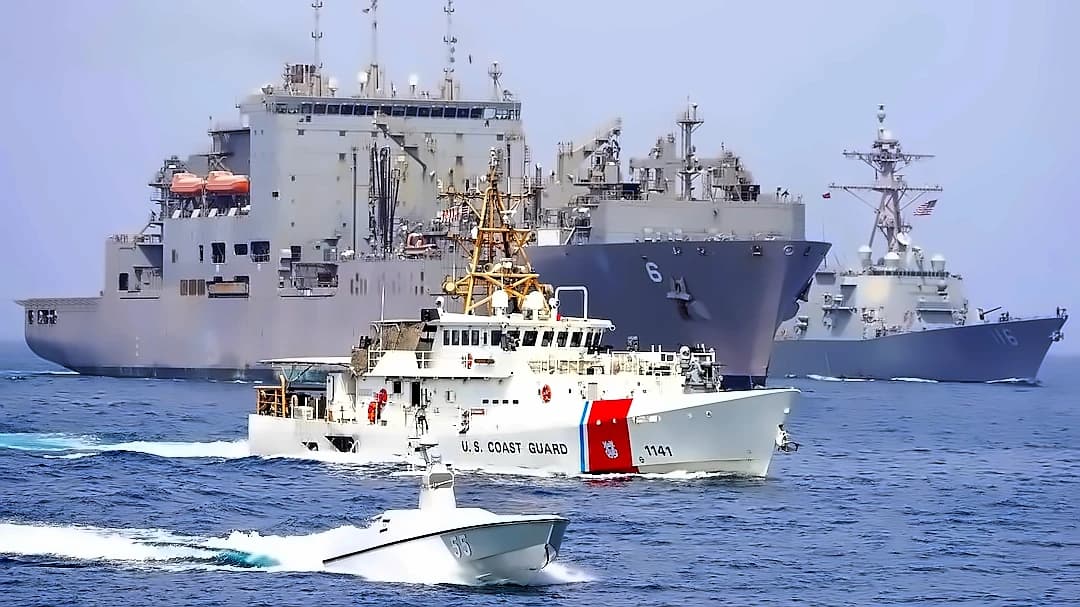
According to reports from Iran's State TV, the United States has agreed to exit the Persian Gulf region and remove naval blockades from Iran's territory under the initial unofficial framework of a Memorandum of Understanding. The draft agreement specifically excludes military vessels from the withdrawal commitments, as reported by Iran's State TV. The MoU further underlines that traffic through Hormuz along with route of ship traffic will be managed jointly by Iran and Oman, representing a significant shift in regional maritime governance. Reuters confirms that Iran's state TV obtained the draft framework, which was not yet finalised, emphasizing that Tehran would take no steps without 'tangible verification'. However, the White House's denial of the Iranian report has created uncertainty about the framework's legitimacy.
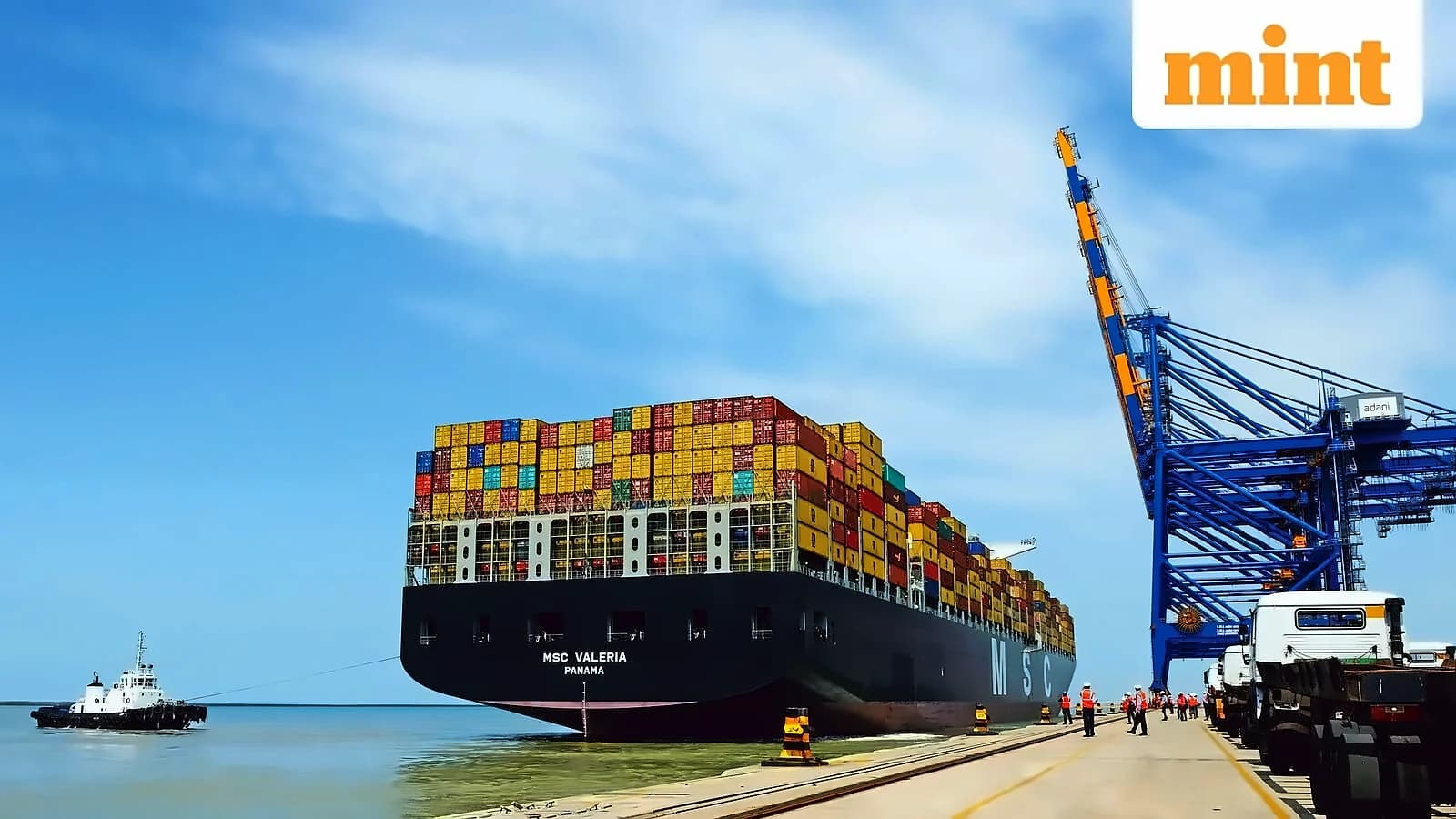
Iran has committed to restore ship transit operations through the Strait of Hormuz to pre-war levels within one month if the United States proceeds with the naval withdrawal and blockade removal, as reported by Iran's State TV. This commitment represents a significant operational commitment from Iran regarding the critical maritime chokepoint that handles one-third of global oil trade. The agreement framework specifically stipulates that Iran will restore transit numbers to pre-war levels, marking a concrete operational timeline for the restoration of normal maritime operations. Reuters reports that under the framework, Iran would restore commercial shipping through the Strait of Hormuz to pre-war levels within a month, while the United States would withdraw military forces from Iran's vicinity and lift a naval blockade.
The draft agreement framework indicates that military forces will be withdrawn from Iran's vicinity as part of the broader US commitment, according to Iran's State TV reporting. This withdrawal would mark a significant shift in the regional security dynamics and could have implications for ongoing tensions in the Persian Gulf region. The agreement framework emphasizes that military vessels are not included in the draft agreement, providing clarity on the scope of US military presence reduction. However, US President Donald Trump added on Wednesday that Iran would not get sanctions relief in exchange for giving up highly enriched uranium, according to an interview with PBS News. Trump later told a cabinet meeting on Wednesday that 'Iran is very much intent; they want very much to make a deal,' but the US was not yet satisfied with it, stating 'we're not satisfied with it, but we will be. We will be either that or we'll have to just finish the job.'
If a final deal is reached within 60 days, the agreement will be approved in the form of a binding UN security council resolution, as reported by Iran's State TV. The Islamabad Memorandum framework, however, has not been finalised yet, and therefore, no step will be taken by Iran without tangible verification, the report highlighted. This verification requirement ensures that any commitments made by Iran are backed by international oversight mechanisms. Reuters reports that if a final agreement was reached within 60 days, it could be approved as a binding U.N. Security Council resolution.
The emerging US-Iran MoU stems from indirect talks launched after the war that began in February, with Pakistan playing a central mediating role between Tehran and Washington, as reported by Reuters. The war erupted after a sharp escalation between Iran and Israel earlier this year, with both sides exchanging missile and drone attacks that disrupted shipping in the Gulf and drew in U.S. military involvement, raising fears of a wider regional conflict. Assistant White House Press Secretary Olivia Wales told Walla that negotiations with Iran are 'progressing well' and that Trump has 'made his red lines very clear.' Wales emphasized that 'President Trump will only make a good deal for the American people,' a deal that must ensure that Iran never has a nuclear weapon. Despite these challenges, US Secretary of State Marco Rubio said any agreement between Washington and Tehran could still take several days to complete.