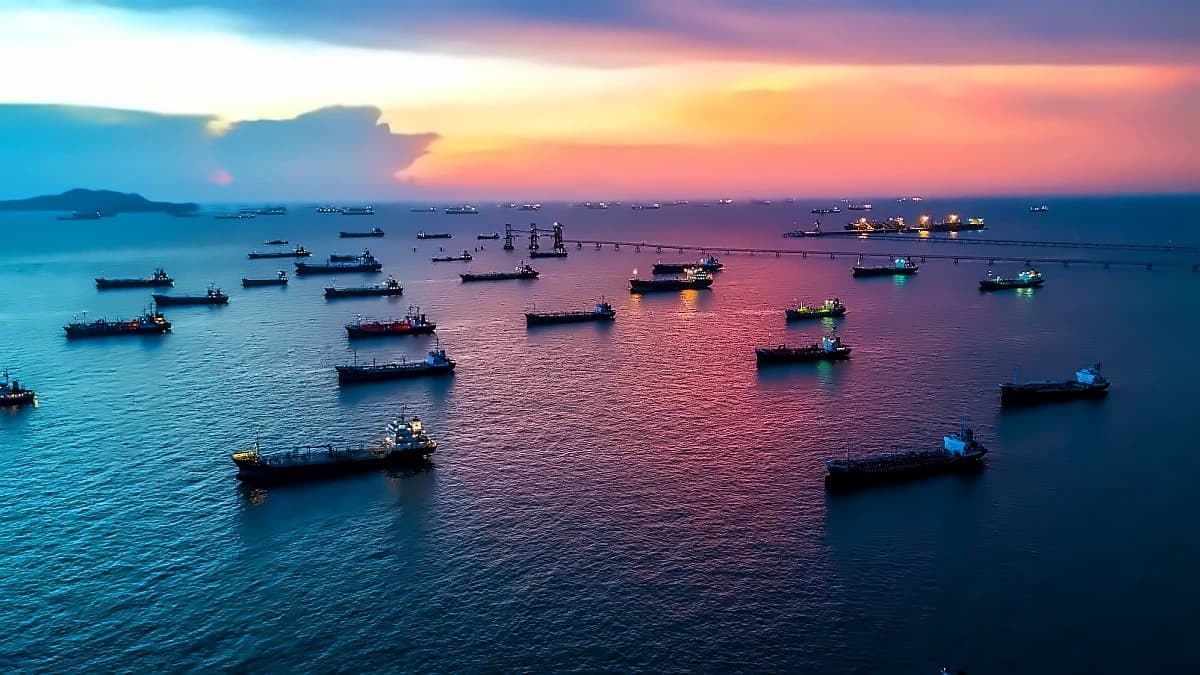
US Central Command (CentCom) has officially confirmed the complete lifting of maritime restrictions on shipping movements to and from Iranian ports and coastal waters. In a post on X on Thursday, CentCom announced that the restrictions on shipping movements to and from Iranian ports and coastal waters had been lifted. The command emphasized that US naval vessels would continue to remain in the broader region despite the decision to end the blockade, as reported by Business Standard. CENTCOM confirmed via a post on X that all enforcement operations have ceased in direct compliance with a directive from President Donald Trump. The military command stated that "American forces are not impeding the transit of vessels to or from Iranian ports. All US military blockade enforcement efforts have ceased." This development represents a complete reversal from the previous naval blockade that had been implemented during the West Asia conflict.
The US-Iran framework agreement has achieved its first tangible success with the safe transit of the first India-bound LNG carrier, Disha, across the Strait of Hormuz on June 15. According to NDTV, the vessel, managed by a Shipping Corporation of India-led consortium, is carrying 62,370 metric tonnes of LNG and is expected to reach Dahej port in Gujarat on June 18. This historic transit represents a significant milestone in the normalization of energy supply routes that have been disrupted since the West Asia conflict began. The successful crossing demonstrates the practical implementation of the peace framework and raises hopes for sustained recovery of maritime trade through the strategic waterway. LNG carrier Disha had been stuck in the Persian Gulf for over three months due to the fighting before starting its journey again, making this transit particularly significant for commercial shipping recovery.
Iranian Supreme Leader Ayatollah Mojtaba Khamenei endorsed direct negotiations with the US late Thursday in a statement read by state media, marking his first reaction to the deal recently reached between Iran and the US to end hostilities. According to Business Standard, "It is obvious that the face-to-face negotiations that will be held in the future will not mean accepting the enemy's opinion," Khamenei stated. The supreme leader has not been seen in public since he was wounded in a strike at the start of the war. This endorsement comes as US Vice President JD Vance confirmed Thursday that the 60-day clock for working out the contentious details in the US-Iran memorandum of understanding had started ticking.
US Vice President JD Vance confirmed Thursday that the 60-day clock for working out the contentious details in the US-Iran memorandum of understanding had started ticking, as reported by Bloomberg. According to the memorandum published by Iran's President Masoud Pezeshkian, Iran will arrange passage of commercial ships through the strait with "no charge for 60 days only" and traffic is to be reinstated "within 30 days". The agreement states that Iran will hold talks with Oman to define the future administration and maritime services of the Strait of Hormuz, which will be in line with "applicable international law and the sovereign rights of coastal states" of the Persian Gulf. During this 60-day negotiation period, the sides will try to agree on restrictions on Tehran's nuclear program and how to dilute or destroy its stocks of highly enriched uranium. Vance downplayed concerns Iran could eventually impose tolls on traffic through the Strait of Hormuz, stating that "international waterways should be free of tolls" and that "if the strait is not open, there's not going to be a final deal."
President Donald Trump reaffirmed Washington's commitment to peace in the Middle East following the signing of a landmark 14-point Islamabad Memorandum of Understanding between the United States and Iran. In a statement published on Truth Social, Trump urged all regional actors to maintain their commitment to the ongoing diplomatic process, stating "The United States is committed to PEACE, and we encourage everyone in the Middle East Region to maintain their commitment to allowing our negotiations to beautifully unfold." The president further emphasized his expectations for comprehensive resolution, writing "The Markets are loving what is happening with Oil Prices way down, and Stocks way up. We expect a complete Ceasefire on all fronts, including Lebanon, Hezbollah and Israel." This announcement comes as CENTCOM noted that American forces are no longer restricting maritime traffic linked to Iran, with the command adding that "Our great Naval Ships will remain in the general area to make sure that all aspects of the agreement are adhered to, obeyed and in full force and effect."
The US-Iran agreement has delivered immediate energy cost relief, with benchmark Brent crude prices slumping by more than 5% to nearly $82 per barrel, as reported by Business Standard. Rajnish Gupta, partner at EY India, noted that easing geopolitical tensions combined with reopening of key trade routes should help correct global oil prices, ease fuel-driven inflation, reduce pressure on the fiscal deficit and provide support to the rupee. However, experts caution that oil prices could remain above $90 per barrel in the coming weeks due to supply normalization delays and return of pent-up demand. Madhavi Arora, chief economist at Emkay Global, emphasized that Hormuz supply normalization will take weeks, if not months, with tanker availability, insurance costs, mine clearance and other factors contributing to only a gradual resumption of flows through the Strait of Hormuz. Oil fluctuated between gains and losses on Thursday, with Brent closing under $80 a barrel, still down from close to $95 since Trump said late last week that a deal was imminent, though it remains roughly 30% higher for the year.
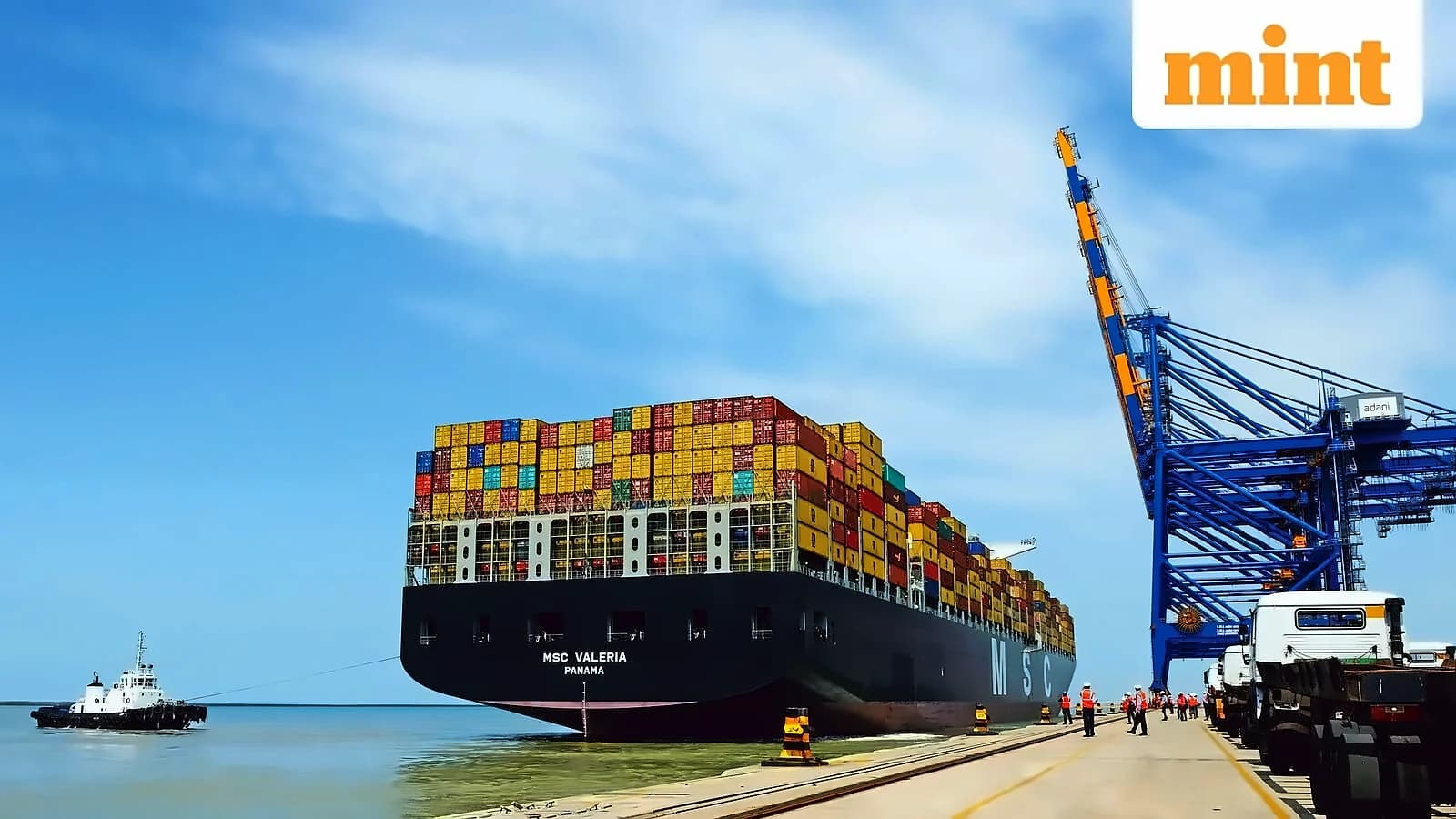
Container rates had surged dramatically during the conflict, with rates rising from about $600-700 per container to over $5,000 according to Dushyant Mulani of the Federation of Freight Forwarders' Associations in India. As reported by Mint, shipping companies imposed Emergency Conflict Surgarges (ECS) and War Risk Surgarges (WRS) ranging from $2,000 to $3,000 per container on routes linked to West Asia and the Red Sea. Industry participants expect these elevated costs to normalize over the next seven to 15 days if the ceasefire holds and vessel traffic through the Gulf returns to normal. The reopening of the Strait of Hormuz is expected to help smoothen the movement of ships in international waters and reduce these abnormal freight rates. However, Ashish Sheth, chairman and managing director of Sarjak Container Lines, warns that while the announcement is positive for global shipping, the market will focus on how quickly confidence returns, with insurers, shipowners and charterers requiring evidence of sustained stability before normal operating patterns resume.
Financial markets reacted positively to the US-Iran peace deal announcement, with oil prices easing, equities recovering and the rupee strengthening. Brent crude prices fell sharply as concerns over supply disruptions through the Strait of Hormuz eased, dropping nearly 5% to around $83-84 a barrel on June 15 -- its lowest level in about three months. The Indian rupee appreciated against the US dollar as easing oil prices reduced pressure on India's import bill, strengthening 0.7% in a single session on Monday, opening at 95.32 and touching an intra-day high of 94.95 before closing at 95.11. The rupee's strength was supported by unwinding of long dollar positions and expectations of improved external stability for India. Federation of Indian Export Organisations (FIEO) President S C Ralhan said easing geopolitical tensions would help restore normalcy in global energy supplies and moderate prices, reducing pressure on the import bill and supporting rupee stability. Jateen Trivedi, VP Research Analyst at LKP Securities, noted that if the US-Iran peace deal is formally signed and the Strait of Hormuz returns to normal pre-war traffic conditions, it would be a significant positive for the rupee, with the currency potentially appreciating to 93 to the dollar.