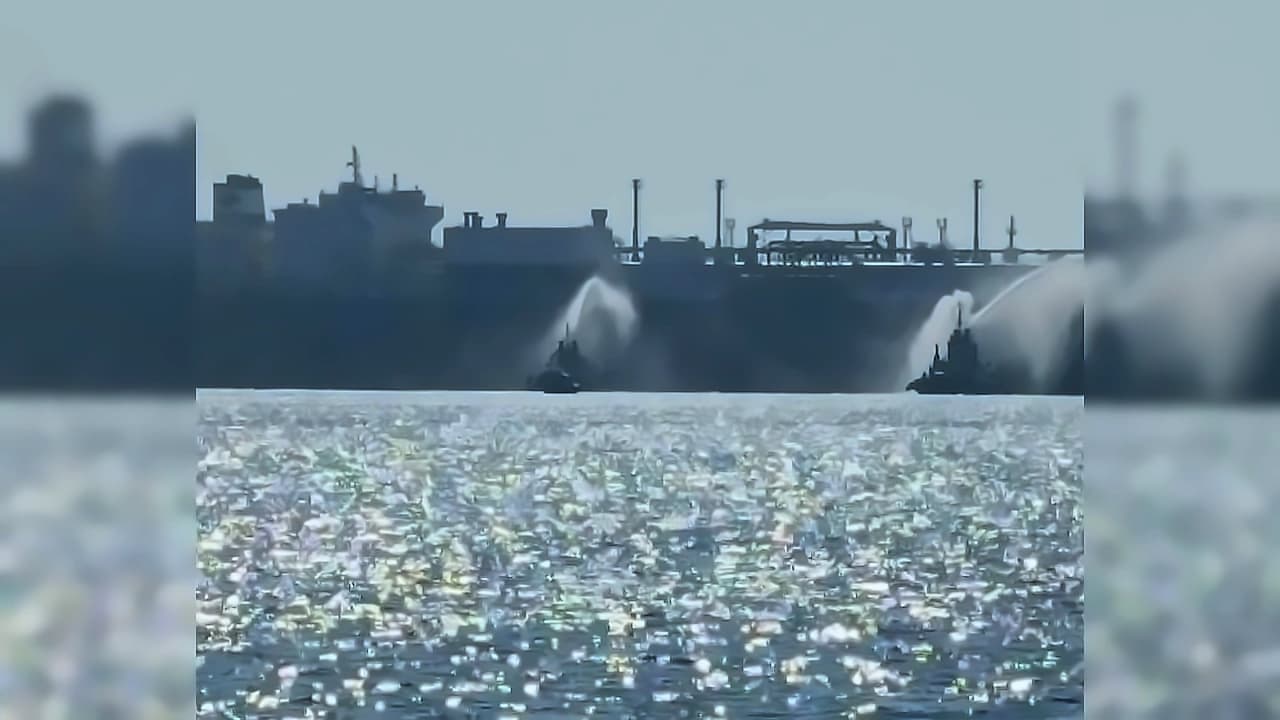
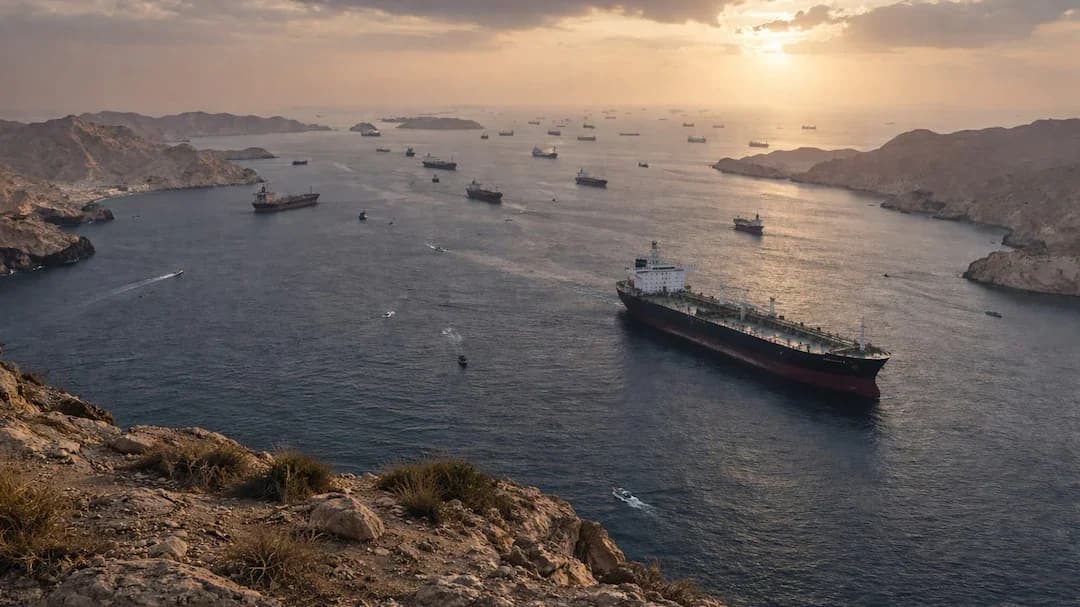
US military forces conducted defensive strikes against Iranian military assets for the second time in three days, shooting down four Iranian drones and striking a ground control station in Iran's Bandar Abbas that was preparing to launch a fifth drone. According to US Central Command (Centcom), the strikes were conducted during negotiations to end a three-month-old war that has killed thousands and sent global energy prices sharply higher since beginning on February 28 with US and Israeli attacks. Centcom described the actions as 'measured, purely defensive, and intended to maintain the ceasefire'. As reported by Axios, a senior US official stated the strikes were triggered by Iran launching drones at a commercial vessel attempting to transit the Strait of Hormuz, with Iranian state media claiming the tanker had turned off its radar systems while passing through the strait and was stopped after Iran's navy fired at it. The drone attacks were the second set carried out this week by US military forces, following similar strikes on Tuesday against missile launch sites and minelaying boats in southern Iran.
Iran acknowledged launching a retaliatory strike following the US bombing campaign, while Kuwait said it was intercepting incoming drone and missile fire on Monday morning. According to Business Standard, the Iranian Revolutionary Guard in a statement carried by the state-run IRNA news agency that US forces had targeted a telecommunications tower on an island. The Guard said it responded with an attack without specifying where, likely referring to the attack on Kuwait. The duelling attacks reflect the fragility of a weekslong ceasefire in the Iran war, which has seen repeated attacks even as American and Iranian officials try to negotiate a deal to extend it. Iran has maintained its chokehold on the Strait of Hormuz in the meantime, disrupting global energy supplies as a fifth of all oil and natural gas traded once passed through the narrow mouth of the Persian Gulf.
President Donald Trump asserted that Iran is 'negotiating on fumes' and dismissed concerns that November's midterm elections would influence his Iran strategy. Speaking at Wednesday's Cabinet meeting, Trump expressed confidence that a deal is near, even declaring over the weekend that his administration and Tehran had 'largely negotiated' a settlement. However, by Wednesday's meeting, he acknowledged there is still work to be done, stating that 'They just want to make a deal - I don't think they have a choice,' adding 'Iran is very much intent, they want very much to make a deal. So far, they haven't gotten there and we're not satisfied with it, but we will be.' Trump also rejected what Iranian state media had called a preliminary 'unofficial' memorandum-of-understanding framework with the US, stating 'We're not satisfied with it, but we will be — either that or we'll have to just finish the job.' During the meeting, Trump also urged Gulf nations to sign on to the Abraham Accords to normalise relations with Israel.
The emerging deal aims to reopen the Strait of Hormuz and provide Trump with a credible argument that Iran's nuclear capability has been diminished enough to declare victory. As reported by The Associated Press, Trump is looking for a settlement that will wind down a conflict that has been politically unpopular for Republicans. However, the deal puts off many critical issues to be resolved later and has already exposed Trump to fierce criticism from some of his own supporters. Trump reaffirmed his commitment to keeping the Strait of Hormuz open, stating at Wednesday's Cabinet meeting that 'The strait is going to be open to everybody,' adding 'Nobody is going to control it.' Trump has also threatened to resume a large-scale bombing campaign if Iran does not agree to his terms, stating 'Maybe we have to go back and finish it, maybe we don't.'
Late Wednesday, the Trump administration imposed sanctions on a new agency Iran announced this month, the Persian Gulf Strait Authority, which aims to approve the transiting of ships through the strait and charge them tolls as high as $2 million each. Treasury Secretary Scott Bessent stated that 'The Iranian military's latest attempt to extort global maritime trade is proof that Economic Fury has left the regime desperate for cash.' The sanctions represent the latest economic pressure campaign against Iran as Washington and Tehran continue negotiations to end the three-month conflict. The renewed hostilities threaten the fragile ceasefire that has been in place since the conflict began, with both sides having signaled progress towards a deal late last week before Tehran cautioned that a deal was 'not imminent' while Trump said he had instructed his negotiators 'not to rush into' one.