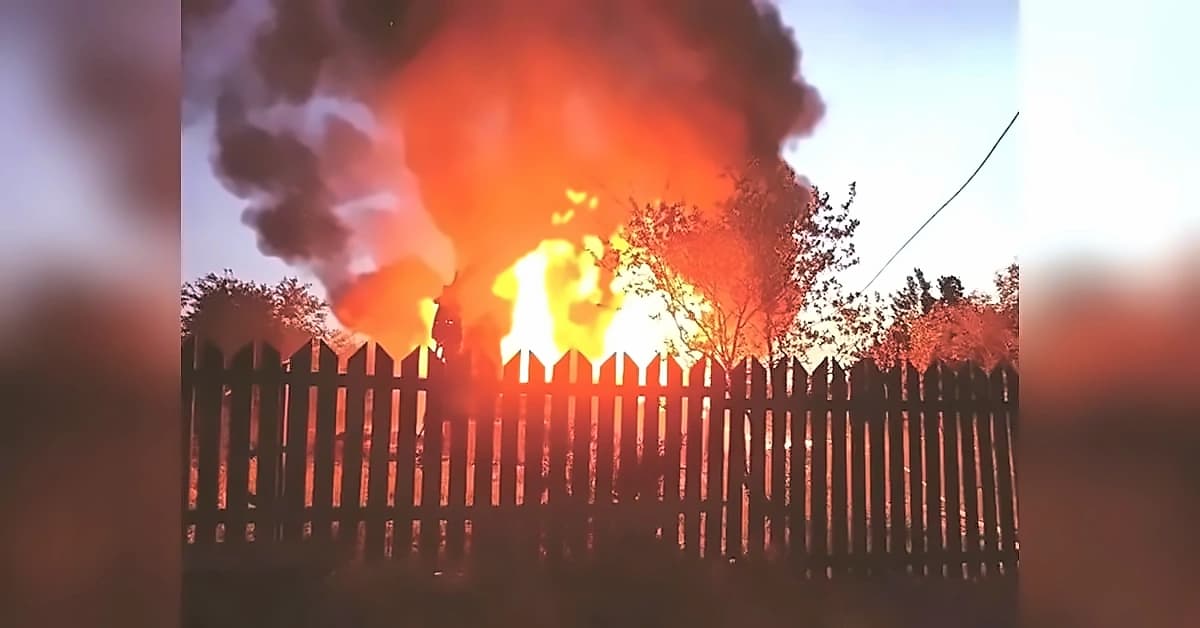
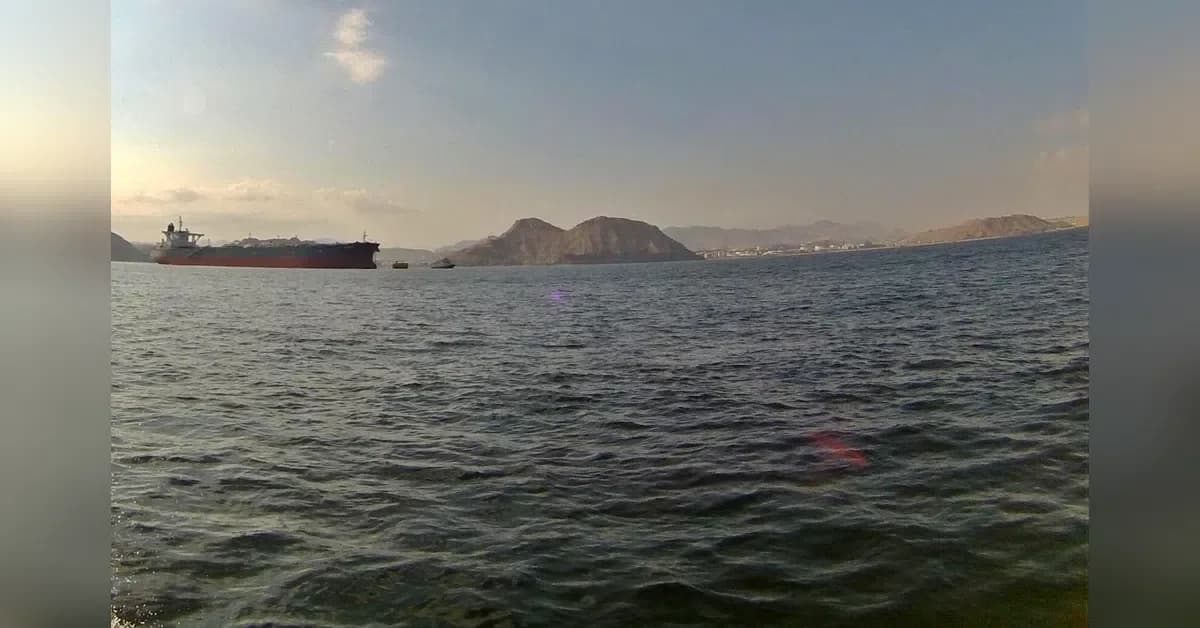
Egypt confirmed on Wednesday that a drone strike occurred at its Mediterranean port of Damietta, targeting two ships. According to Egypt's cabinet, an initial investigation found an unidentified drone caused a fire on two vessels at Damietta port on Wednesday. As reported by Reuters, trading sources familiar with the incident said the drone hit U.S.-owned floating storage and regasification vessel Energos Winter, causing a fire that spread to a second vessel. The port lies near the Suez Canal, which links the Mediterranean and Red Seas, making this incident a potential new front in the U.S.-Iran war. Verified videos posted on social media showed clouds of black smoke rising from the port and tugboats hosing down the ships with water, though the fires were eventually extinguished with no casualties reported. Energos Winter and GasLog Salem, the vessels involved in the incident, left the port and moved offshore following the attack, according to ship tracking data.
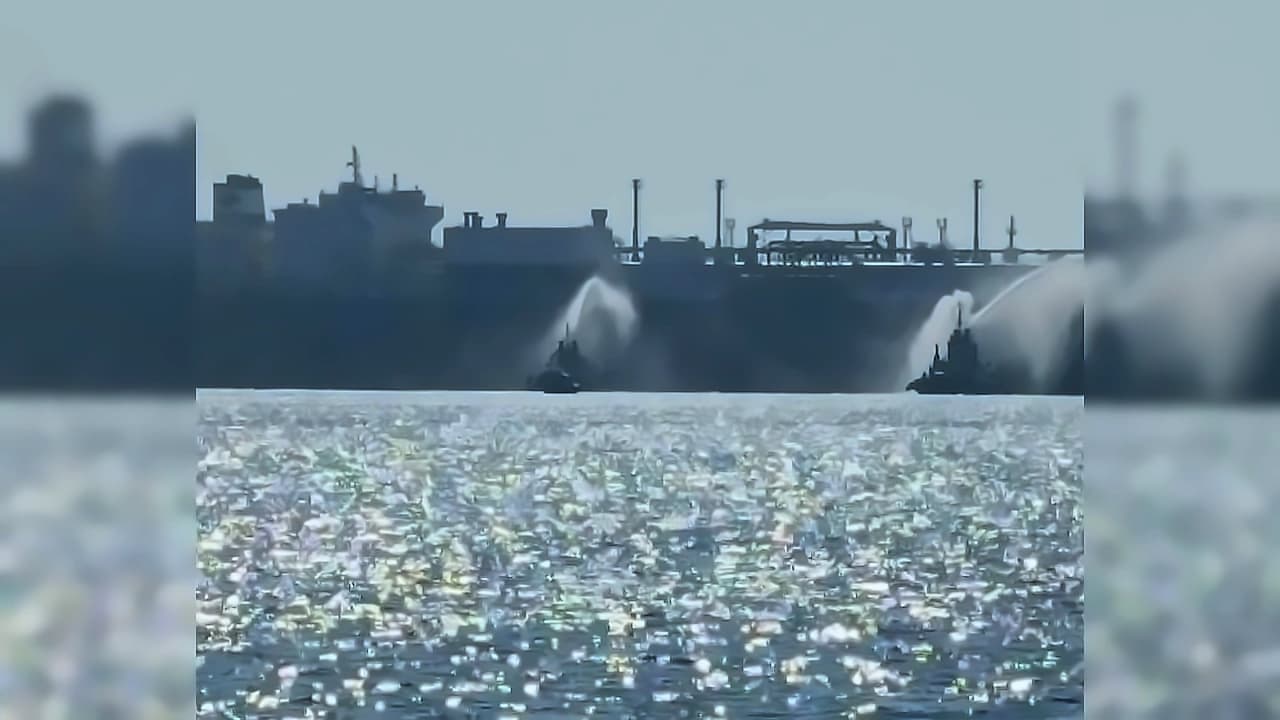
The incident represents part of a broader pattern of attacks on energy infrastructure spreading across the Middle East. According to reports from Egypt's Ministry of Petroleum and Mineral Resources, the flames erupted from a storage vessel and a regasification ship, highlighting the strategic importance of these facilities for Egypt's energy operations. The attack has raised the prospect of threats to navigation through the Suez Canal, which serves as one of the last remaining export routes for Saudi oil. Damietta port, a key liquified natural gas (LNG) hub, continued operating at full capacity on Thursday despite the incident, as confirmed by Egyptian authorities. The vessels involved were Energos Winter, a U.S.-owned floating storage and regasification vessel, and GasLog Salem, a Greek-owned LNG tanker, both of which left the port following the attack.
The drone strike occurred amid escalating tensions in the U.S.-Iran conflict, which began in February when the U.S. and Israel launched a bombing campaign. Overnight, the U.S. military struck Iran's Revolutionary Guards' military command centres and drone facilities after Tehran fired at U.S. forces in the region. According to Reuters, Iranian state media reported that U.S. strikes killed three civilians and wounded two children on Qeshm Island, while three Guards members were killed in Zanjan province. The Islamic Revolutionary Guard Corps struck the Azraq military base in Jordan in response, attacking U.S. F-35 fighter jets, though the U.S. military denied any aircraft were destroyed. US President Donald Trump told reporters on Wednesday that he had been briefed on what happened in Damietta and implied that Iran or its proxies were responsible, stating "It's a little more of the same. But it's going to be straightening out."
The latest strikes in Iraq and Egypt have threatened to draw more Middle Eastern countries into the conflict after Saudi Arabia publicly joined strikes alongside U.S. forces on Wednesday, targeting Iran-aligned groups in eastern Iraq. This marked a first in the five-month war, as Saudi Arabia retaliated for drone attacks on Saudi oil targets launched from Iraqi territory by Yemen's Houthis. The Houthis carried out attacks on Saudi Arabia from Iraqi territory in coordination with Iraqi groups, according to Saudi Arabia and regional partners. The war has exposed gaps in Iran's ability to protect military sites and strategic infrastructure, with Tehran expected to receive within weeks a first shipment of up to 400 Chinese-made shoulder-fired air-defence missile launchers. Iran's foreign ministry also condemned the strikes and warned of "dangerous consequences," while Iraq's paramilitary Popular Mobilisation Forces said at least 20 of its members were killed in the strikes, which they called an "extremely serious escalation."