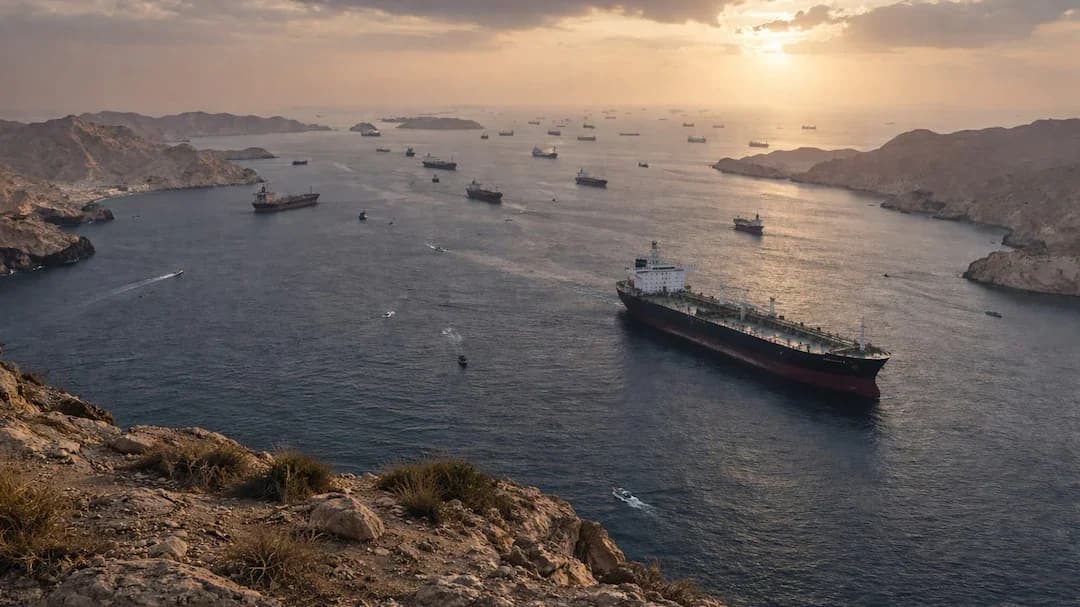
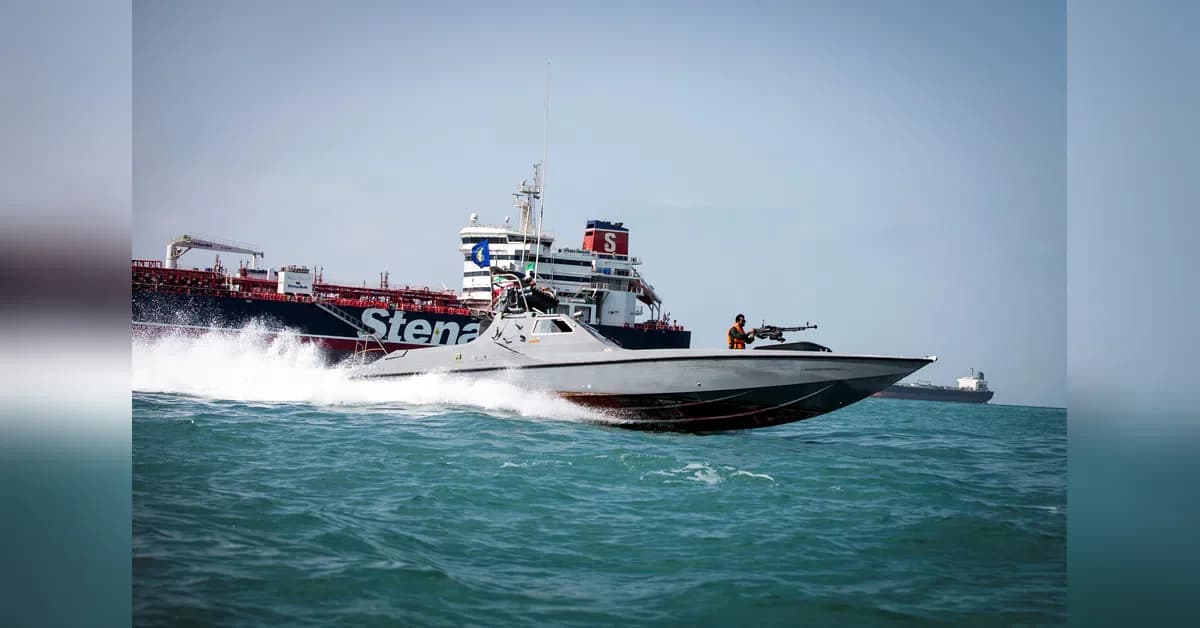
The United States military conducted what it described as 'defensive strikes' in southern Iran on Monday, targeting missile launch sites and Iranian boats attempting to lay mines near the strategically vital Strait of Hormuz. According to reports from Axios global correspondent Barak Ravid, CENTCOM confirmed the airstrikes to him, with the strikes carried out near Bandar Abbas, a key Iranian port city that hosts a major naval base close to the Strait of Hormuz. Navy Captain Tim Hawkins, a spokesman for U.S. Central Command, stated that 'US forces conducted defensive strikes in southern Iran today to protect our troops from threats posed by Iranian forces.' The White House confirmed that President Trump authorized the right of American forces to respond to Iranian provocations around the strategically important waterway, with Washington emphasizing readiness to act in a way that avoids escalation while protecting its personnel during ongoing negotiations.
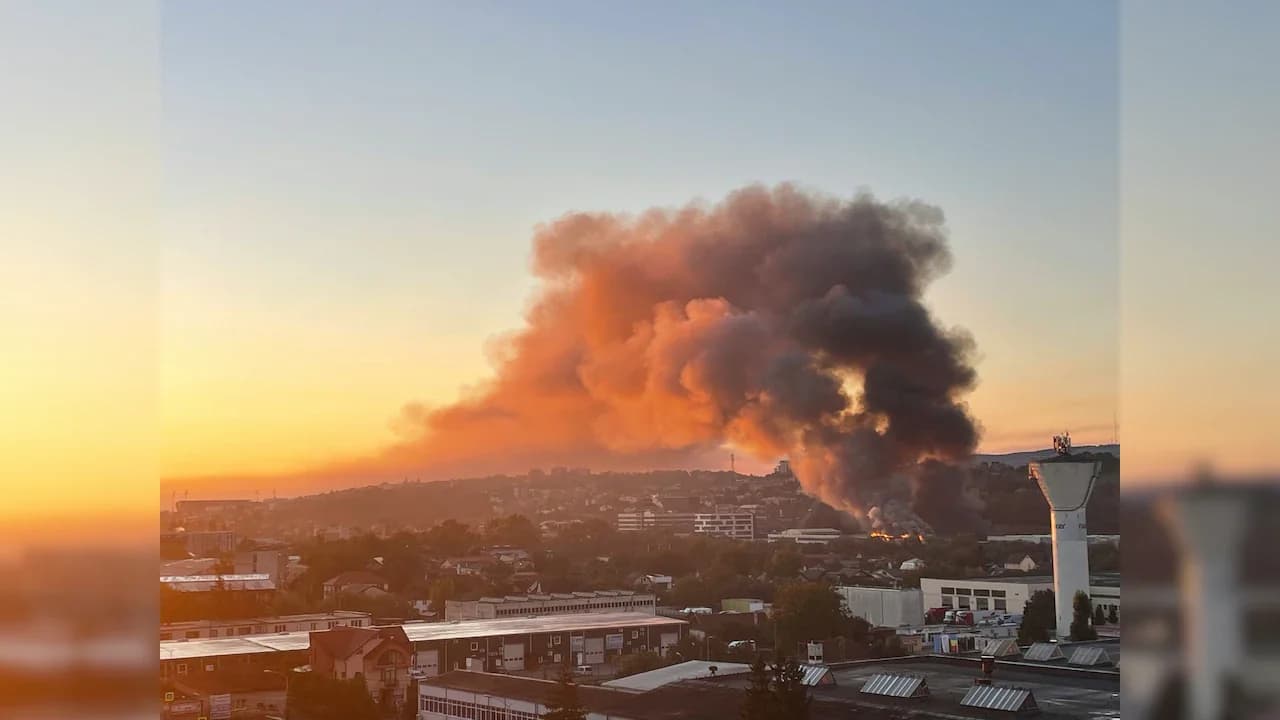
As reported by Axios, the targets included missile launch platforms and Iranian boats that were attempting to lay mines near the Strait of Hormuz. Captain Hawkins emphasized that 'US Central Command continues to protect our forces while showing restraint during the current ceasefire.' The strikes occurred even as fragile peace negotiations between Washington and Tehran remained deadlocked. Iranian media reported explosions were heard in Bandar Abbas city and coastal areas near the strait, with Tasnim news agency reporting three explosions in Bandar Abbas and Fars news agency confirming similar sounds near Sirik and Jask locations. Iran's Mehr news agency said the situation was under control and there was no cause for concern, though no official Iranian source has commented on the strikes. The strikes were conducted in what military officials described as 'self-defense strikes' against targets that posed threats to U.S. forces.
According to recent reports, Iranian officials arrived in Qatar this morning for talks on diplomatic efforts to end the war, with a high-level delegation consisting of Iran's chief negotiator Mohammad Bagher Ghalibaf, Foreign Minister Abbas Araghchi and Central Bank Governor Abdolnaser Hemmati participating in the discussions. However, earlier Monday, Iran said an agreement to end the war was not imminent after President Donald Trump raised and then lowered expectations that a deal may be close. The escalation in the maritime region could affect trade routes and security in the Persian Gulf, with the international community calling for dialogue and adherence to international law. The ongoing conflict, which began with U.S. and Israeli strikes against Iran on February 28, has created significant disruptions in maritime traffic. US and Iranian forces have observed a ceasefire since April 8, though tensions remain high in the region.
Trump has repeatedly called for Iran's current stockpile of enriched uranium to be removed from the country and sent to either the U.S. or another location, with the president demanding a resolution to this issue on Monday. As reported by NBC News, Trump stated on social media that the material 'will either be immediately turned over to the United States to be brought home and destroyed or, preferably, in conjunction and coordination with the Islamic Republic of Iran, destroyed in place or, at another acceptable location, with the Atomic Energy Commission, or its equivalent, being witness to this process.' A senior White House official told NBC News this is not a new position for the president and does not reflect any demand that hasn't already been communicated to the Iranians. This uranium enrichment issue has emerged as a key sticking point in ongoing negotiations to end the war.
US President Donald Trump said that a deal with Iran would either be 'great and meaningful' or there would be 'no deal', warning that it would be 'back to the battlefront and shooting, but bigger and stronger than ever before' if Iran did not sign the latest peace deal. Hours later, US Central Command made the announcement of the fresh strikes. US Secretary of State Marco Rubio earlier told reporters in New Delhi that the US would give diplomacy every chance to succeed before considering whether to deal with Iran in 'another way'. Rubio described a 'pretty solid thing on the table in terms of their ability to open up the strait [of Hormuz], get the strait open, enter into a very real, significant, time-limited negotiation on the nuclear matter, and hopefully we can pull it off.' The strikes come as US and Iranian forces have observed a ceasefire since April 8, though the military buildup continues with more than 200 aircraft and warships supporting the mission, including multiple guided missile destroyers.