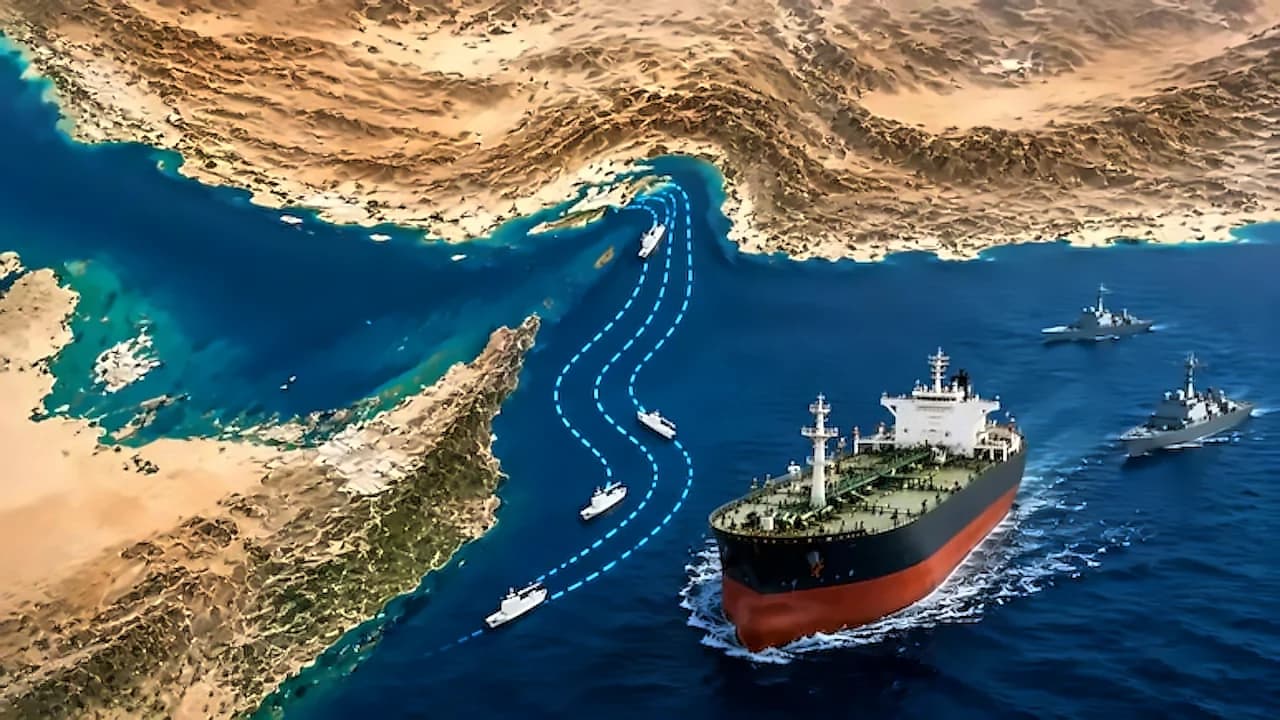
The United States has conducted strikes on Iranian missile sites and suspected mine-laying boats in southern Iran, adding new uncertainty to ongoing US-Iran negotiations over a possible ceasefire. According to The New York Times and reports citing US officials, US intelligence detected Iranian drone launches and increased movement of speedboats believed to be preparing to lay naval mines in the Strait of Hormuz before the strikes were carried out. The US sank two speedboats that were trying to place mines in the Strait of Hormuz, a vital waterway used to carry roughly a fifth of the world's daily oil and gas supply. Military analysts describe these speedboats as part of Iran's 'mosquito fleet' - a large force of small, highly manoeuvrable fast-attack boats designed for asymmetric warfare in the Persian Gulf.
Iran's naval doctrine relies heavily on asymmetric warfare, particularly in the narrow waters of the Persian Gulf and the Strait of Hormuz. The Islamic Revolutionary Guard Corps Navy (IRGCN) operates swarms of small, high-speed boats capable of interception, mine-laying and missile attacks instead of depending on large destroyers or aircraft carriers. According to the US Office of Naval Intelligence, Iran has developed a large fleet of fast attack craft and small boats designed for 'swarm tactics,' where multiple vessels rapidly approach enemy ships from different directions. These boats are usually armed with heavy machine guns, rockets, torpedoes and short-range anti-ship missiles, allowing them to threaten larger naval vessels in confined waters such as the Strait of Hormuz. The sudden appearance, engine noise and unpredictable movement of these high-speed boats are used to maintain constant pressure on commercial shipping and rival naval forces operating near Iranian waters.
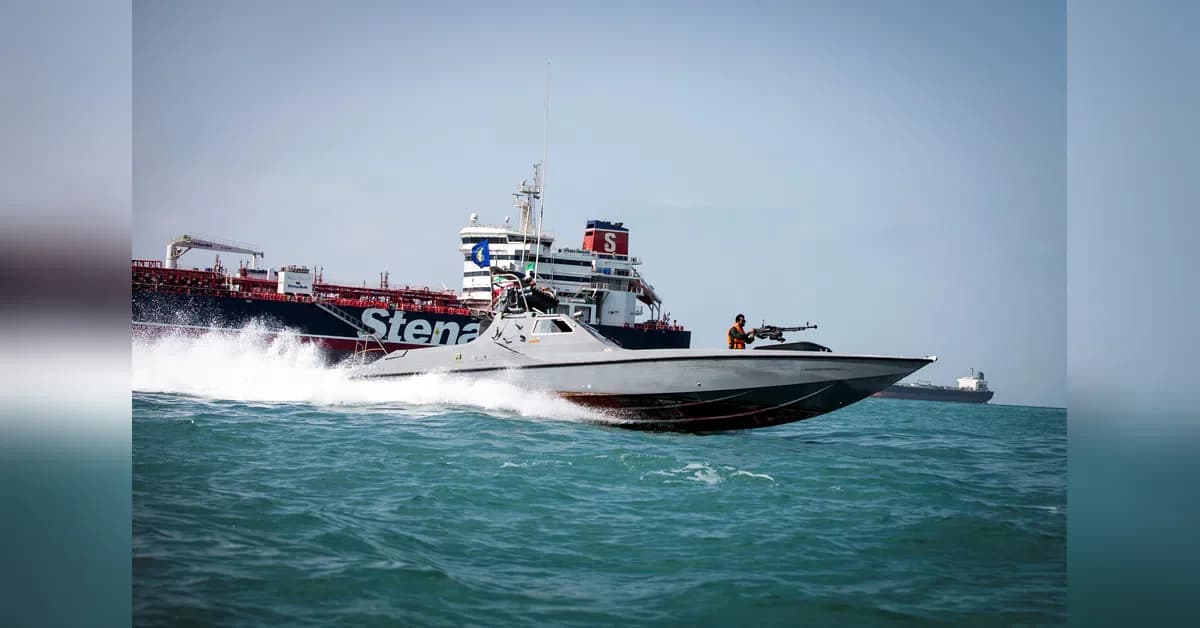
Among Iran's specialized platforms is the Heydar 110 – one of the world's fastest military boats – capable of speeds of around 110 knots or more than 200 kilometres per hour. The vessel is designed for rapid strike missions and is believed to be equipped with anti-ship missile capability. Another prominent platform is the Seraj-class speedboat, a military adaptation of the British-made Bladerunner 51 racing yacht transformed into high-speed hit-and-run operations. Some specialized variants such as Zulfighar-class boats are described as one of the country's first air-defence speedboats, reportedly carrying vertical launch system (VLS) cells for anti-aircraft missiles, expanding the role of fast boats beyond surface attacks. These boats are usually armed with machine guns, rockets, anti-ship missiles or explosive payloads.
The developments come as US President Donald Trump continues pushing for a broader regional understanding involving Iran and Arab nations through an expanded Abraham Accords framework. The sudden appearance, engine noise and unpredictable movement of these high-speed boats are used to maintain constant pressure on commercial shipping and rival naval forces operating near Iranian waters. While these boats are believed to be used for attacking commercial shipping, Iran is also believed to use some of these craft for quick deployment of naval mines, with naval mines remaining among the cheapest but most disruptive maritime weapons. Contact mines explode when struck by a ship, while magnetic and acoustic mines detonate after detecting the metallic mass or engine noise of passing vessels and become difficult to detect underwater.