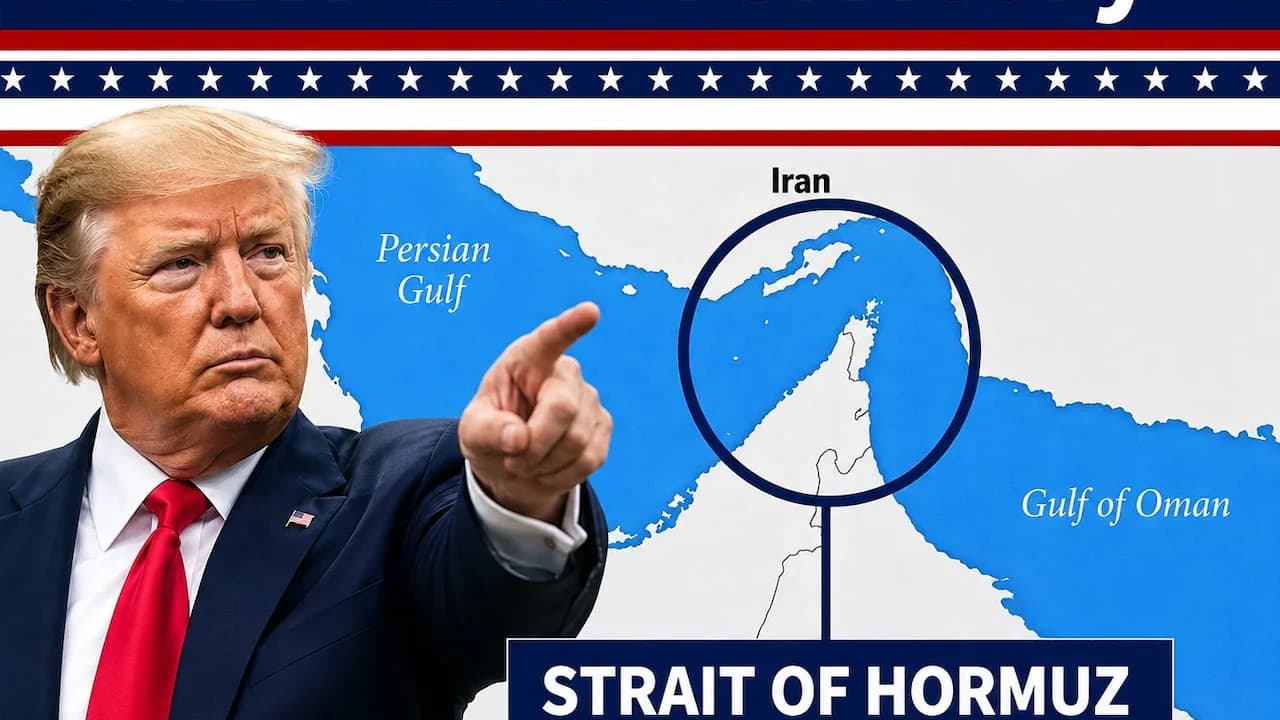
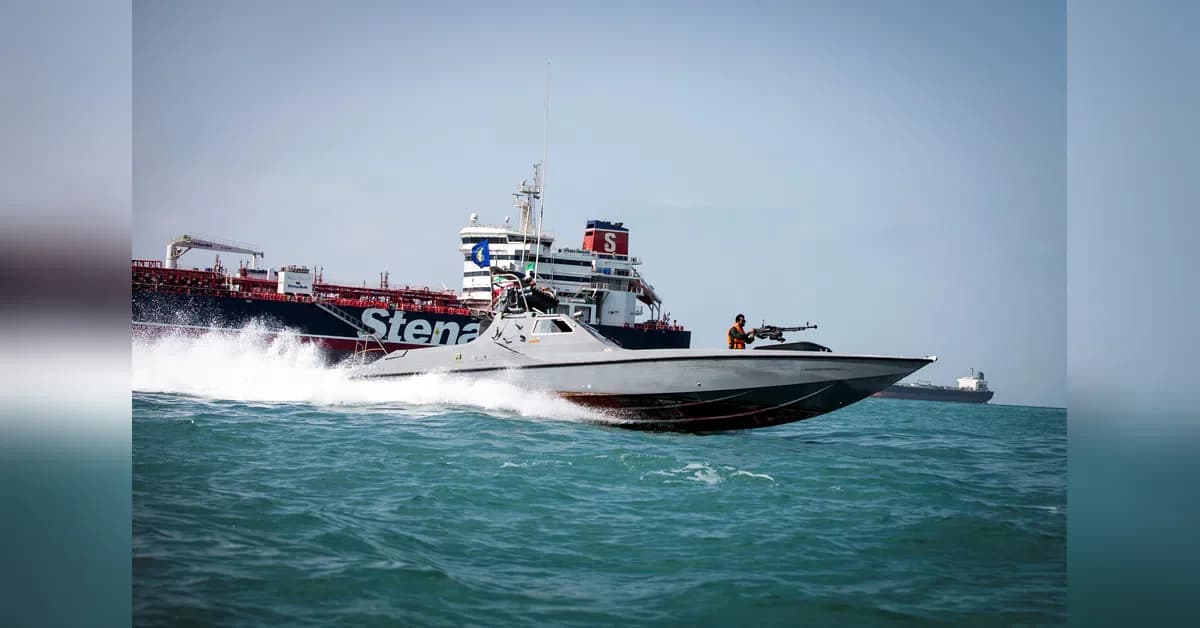
According to reports from Al Jazeera, the United States Central Command (CENTCOM) confirmed that Iranian vessels attempted to seize control of a US unmanned surface vessel in the Strait of Hormuz. CENTCOM spokesperson Captain Tim Hawkins provided the details of the incident, stating that Iranian speedboats were involved in the attempted takeover of the American unmanned vessel. As reported by Ukraine news, the confrontation lasted moments but had significant consequences for the vital energy route, with US military forces destroying two small Iranian boats near the Strait of Hormuz on Monday, September 14. The boats were operated by members of Iran's Islamic Revolutionary Guard Corps, and when military forces detected the attempted seizure, the drone fired two missiles at the boats, destroying both vessels and killing most of the people on board. Axios reports that the incident occurred as the United States works to restore commercial shipping through the strategically important waterway, where oil traffic remains below prewar levels.
As reported by Al Jazeera, the attempted seizure prompted a forceful response from American forces. According to Ukraine news, when the military detected the attempted seizure, the drone fired two missiles at the boats, with both vessels destroyed and most of the people on board killed. The unmanned vessel remains under U.S. operational control following the incident, as confirmed by Captain Tim Hawkins. Axios reports that Iranian media reported Monday that two fishing boats had been struck off the coast near Kargan and Larak Island in Hormozgan province, with Ahmad Nafisi, the province's deputy governor for security affairs, attributing the strikes to the U.S. military. Nafisi said an unspecified number of fishermen were missing and that search-and-rescue operations were underway. The decisive response from US Central Command prevented the Iranian vessels from successfully seizing the American unmanned surface vessel, demonstrating the seriousness with which American authorities view such attempted seizures of military assets.
Following the incident, the U.S. military, together with Gulf countries, stepped up tanker escorts through the Strait of Hormuz. As reported by Ukraine news, vessels had previously been escorted mainly at night, but operations are now also being conducted during the day. According to Axios, U.S. forces and Gulf states have begun conducting daytime tanker transits through the strait after relying primarily on nighttime passages in recent months. On average, around 40 vessels pass through the strait each day under the direction and protection of the U.S. military, transporting approximately 14 million barrels of oil per day. Over the past week, several tankers carrying liquefied natural gas and liquefied petroleum gas have also passed through the strait. Saudi Arabia has also significantly increased the number of oil tankers it sends through the strait as fighting with the Houthis intensifies in the Red Sea, according to a U.S. official. The enhanced security operations reflect the heightened tensions in the region following the attempted seizure.
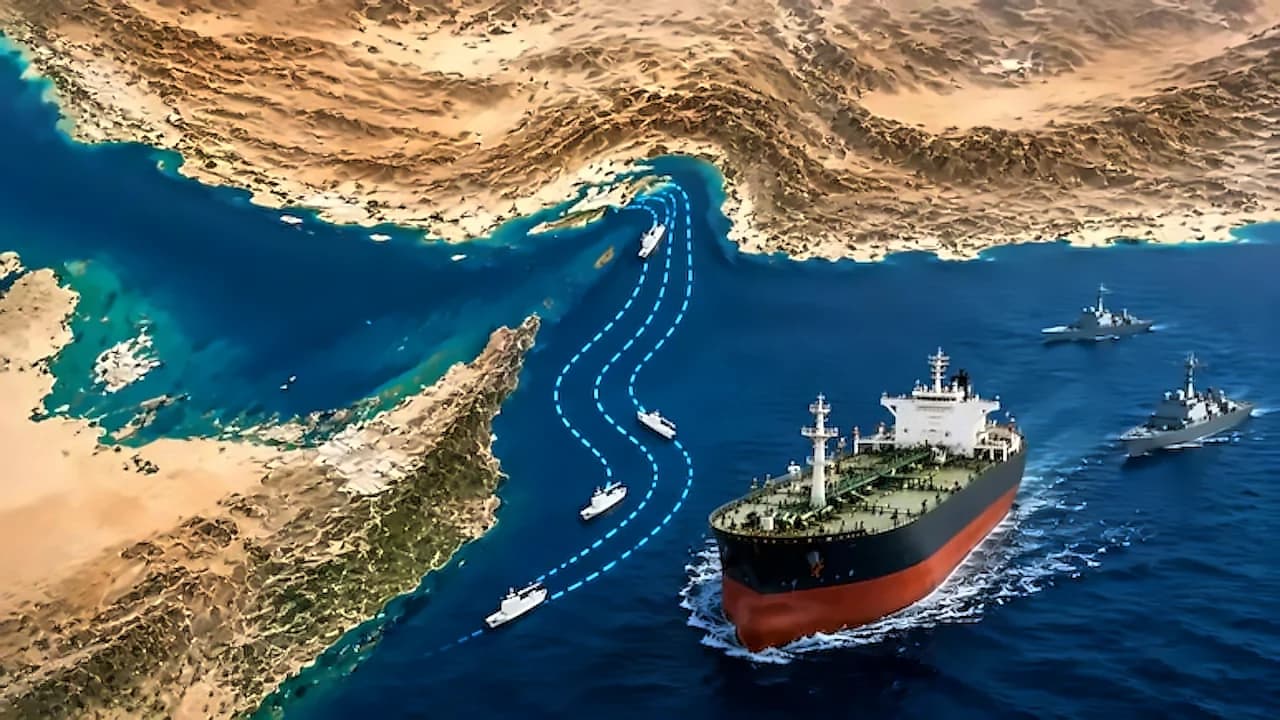
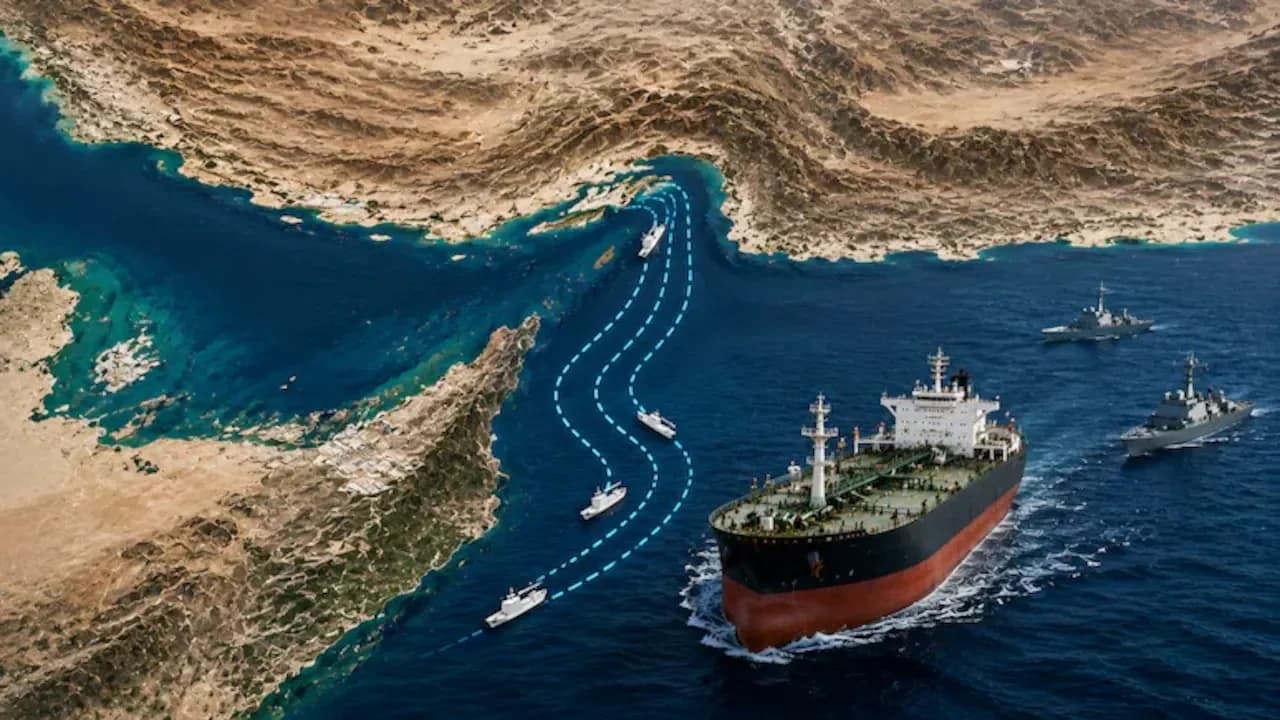
The incident occurred amid heightened tensions in the Strait of Hormuz, a critical shipping lane that connects the Arabian Gulf to the Indian Ocean. The attempted seizure of the unmanned vessel represents a significant escalation in military tensions in the region, particularly given the strategic importance of the Strait of Hormuz for global energy supplies and maritime commerce. According to Axios, the confrontation has spreading consequences across a vital energy route used by tankers from around the world, highlighting the potential for further disruptions to the region's critical energy infrastructure. Axios reports that U.S. forces have expanded mine-cleared portions of the strait's middle shipping lane as part of efforts to increase traffic, with the military expanding protection efforts to ensure continued safe passage through this strategically important waterway.