President Donald Trump made a significant claim on Wednesday, stating that Iran has agreed to not pursue a nuclear weapon during ongoing diplomatic negotiations. According to Business Standard, Trump made this announcement in a podcast interview, marking a potential breakthrough in nuclear negotiations. "They've already agreed they're not going to have a nuclear weapon," Trump told "Pod Force One" in an interview broadcast on Wednesday. The President's statement suggests that Iran has made commitments regarding its nuclear program as part of the ongoing discussions between Washington and Tehran.
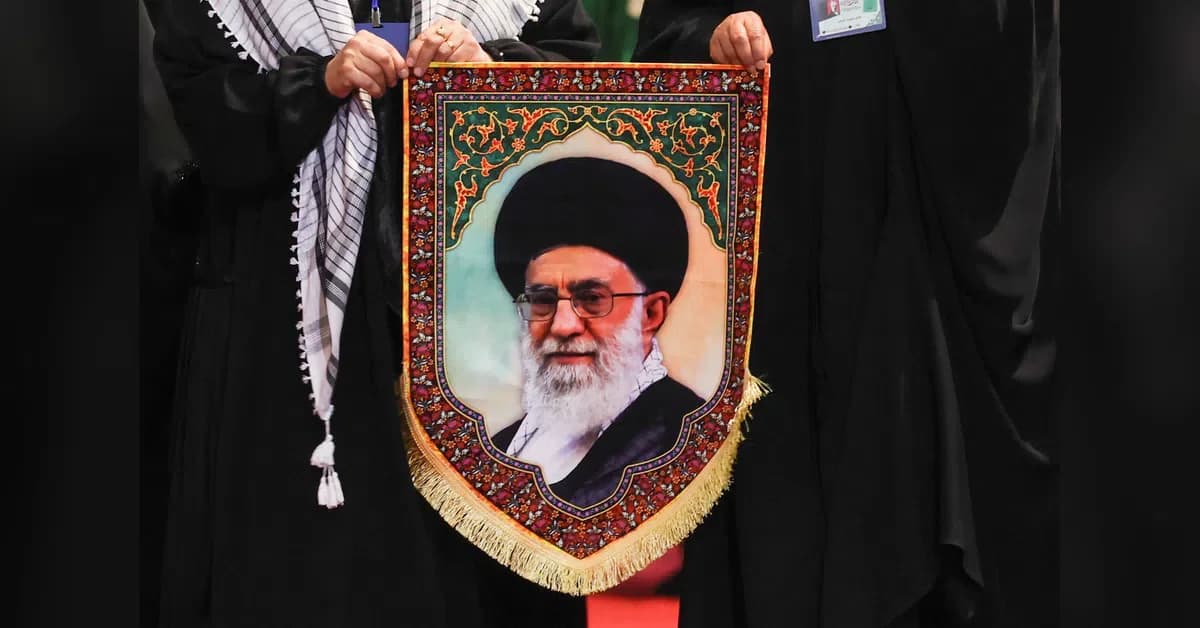
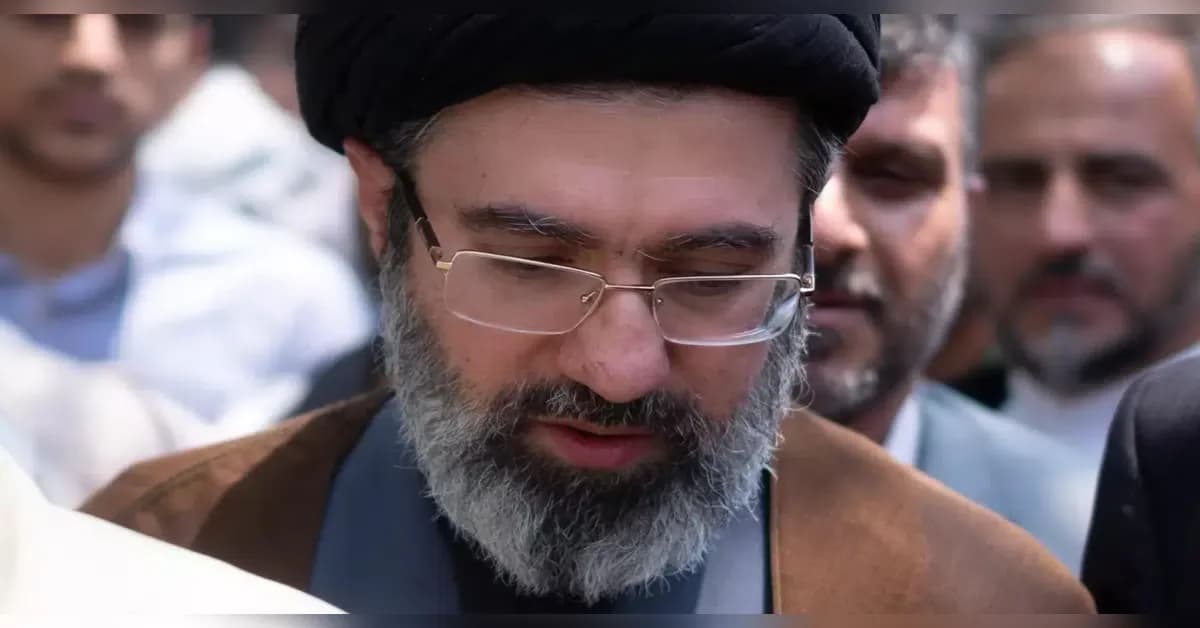
Iran's Supreme Leader Mojtaba Khamenei delivered a strong message of unity and resistance during the 37th anniversary commemoration of Imam Khomeini's passing at the Imam Khomeini shrine. As reported by Tasnim News Agency, Khamenei urged everyone to "neutralise the enemy's plot through steadfastness, foresight, preserving unity and mutual trust, and not echoing the enemy." The message highlighted the significance of the annual commemoration, describing it as a renewal of national commitment to Imam Khomeini's ideology. Khamenei emphasized that "The martyr leader of the fourteenth of Khordad has transformed it into an annual opportunity for the nation's covenant with Imam Khomeini (RA)." The statement also included strong references to regional geopolitical tensions, stating that "The shaky Zionist regime and the cancerous tumour of Israel have also drawn near to the final stages of their ominous lifespan, and by the grace of God and in accordance with the resolute and farsighted words of the martyred Leader ten years ago, they will not see 25 years after that date, God willing."
The ongoing diplomatic engagements between the United States and Iran have hit a severe impasse following Tehran's rigid demand for the immediate unfreezing of capital at the very start of the process. According to The Jerusalem Post, the diplomatic deadlock stems from Iran's insistence on the release of "liquid cash" from the billions of dollars in frozen assets, already in the very first phase of the agreement. This gridlock has emerged despite intense backchannel diplomacy aimed at breaking the geopolitical stalemate. Two sources familiar with the developments informed The Jerusalem Post that international intermediaries have spent recent days attempting to broker a compromise on the contentious issue, but these diplomatic interventions have yielded little progress as the Iranian negotiators have refused to budge and continue to demand the release of the funds in Phase A as part of the framework agreement, even before taking any concrete steps on the ground.
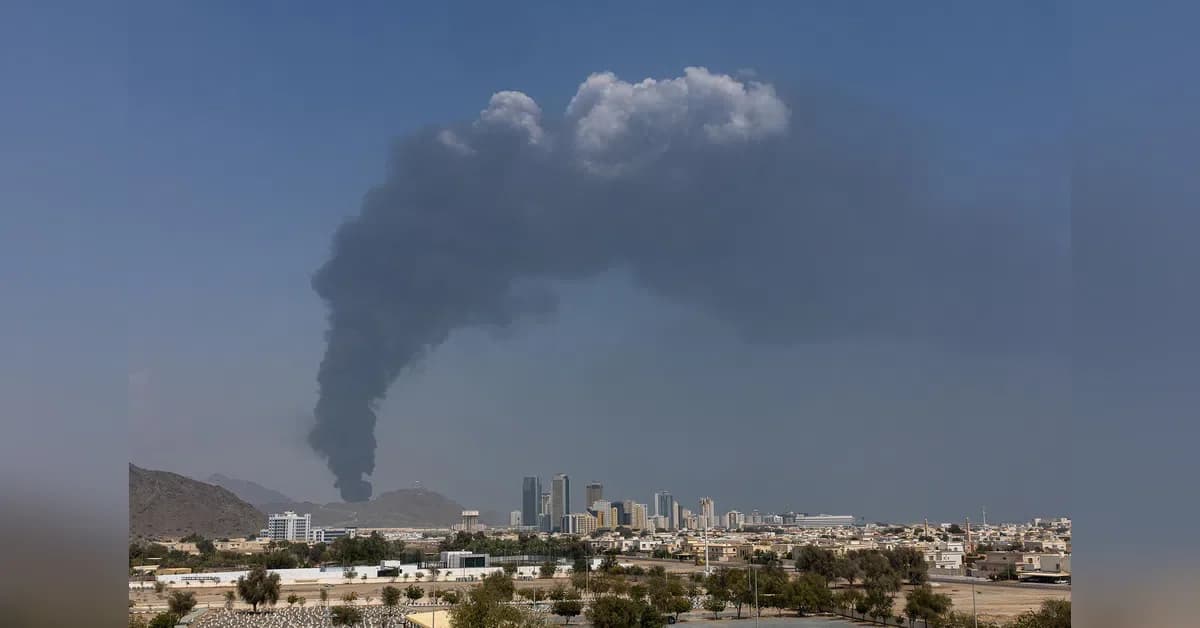
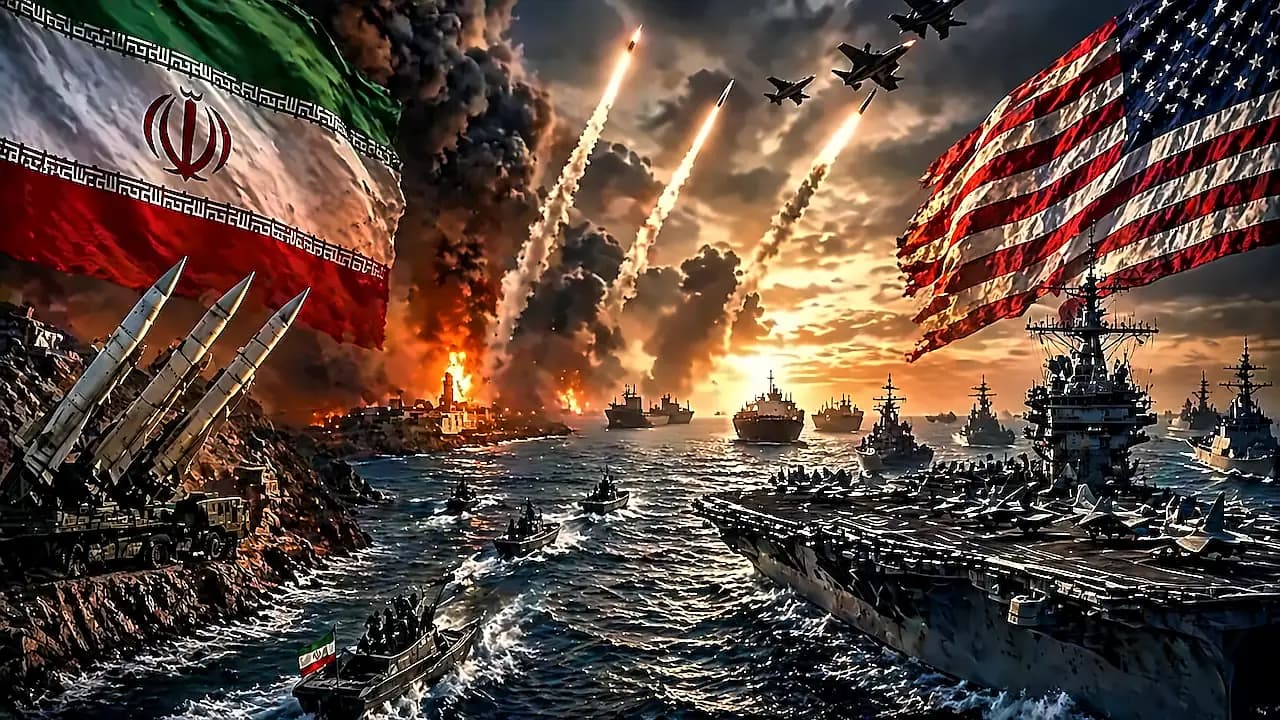
The US military launched strikes on an Iranian military ground control station on Qeshm Island, near the Strait of Hormuz, according to US Central Command. The facility, which houses a desalination plant, was targeted in response to Iranian missile attacks on Kuwait and Bahrain. As reported by Business Standard, Iranian missiles fired at Kuwait failed to hit their targets, with two missiles falling apart en route, while US and Bahrain forces successfully intercepted missiles aimed at Bahrain. Over the weekend, the US military also targeted Iranian air defenses, two drones threatening ships, and a ground control station after aggressive Iranian actions, including shooting down a US drone over international waters. On May 31, US forces intercepted two Iranian ballistic missiles targeting American forces based in Kuwait, with no American personnel harmed.
The US military also fired a missile to halt another oil tanker trying to reach an Iranian port in violation of the American blockade, as reported by US Central Command. The Botswana-flagged merchant vessel M/T Lexie was stopped by an aircraft firing a Hellfire missile into its engine room after the crew ignored repeated warnings over 24 hours. This marked the seventh ship stopped by the military while trying to run the blockade, according to U.S. Central Command. To help with the ship backlog, American ships are guiding commercial vessels through the Strait of Hormuz on the Oman side over the past three weeks, with U.S. Central Command helping around 70 commercial ships pass through the strait in the last three weeks. Ships passing near Iran without obtaining Iranian approval face the threat of attack by Iranian drones or missiles. Additionally, MSC confirmed that one of its container vessels was struck by two projectiles in the port of Um-Qasr, Iraq, with all crew members unharmed and the vessel secured.
Iran faces significant economic challenges with year-on-year inflation reaching 77.2% in May, a level unseen since World War II, according to Iran's Central Bank. The consumer price index rose 8.5% higher than April, with inflation in daily needs including medicine, taxi fares, tobacco and communication fees climbing 113.8% from the year before. A private economic think tank, the Bamdad Institute of Economic Studies, described these figures as 'an unprecedented rate since World War II', with the previous record coming in 1942 during the war when British and Soviet forces invaded Iran. The fighting has also impacted Iran's oil exports, with China's oil imports from the region dropping dramatically, reaching their lowest level in 10 years. China's imports from Iraq dropped from 790,000 barrels per day in February to 60,000 barrels per day in May, and those from Kuwait dropped from a recent high of 522,000 barrels per day in October to zero in May.