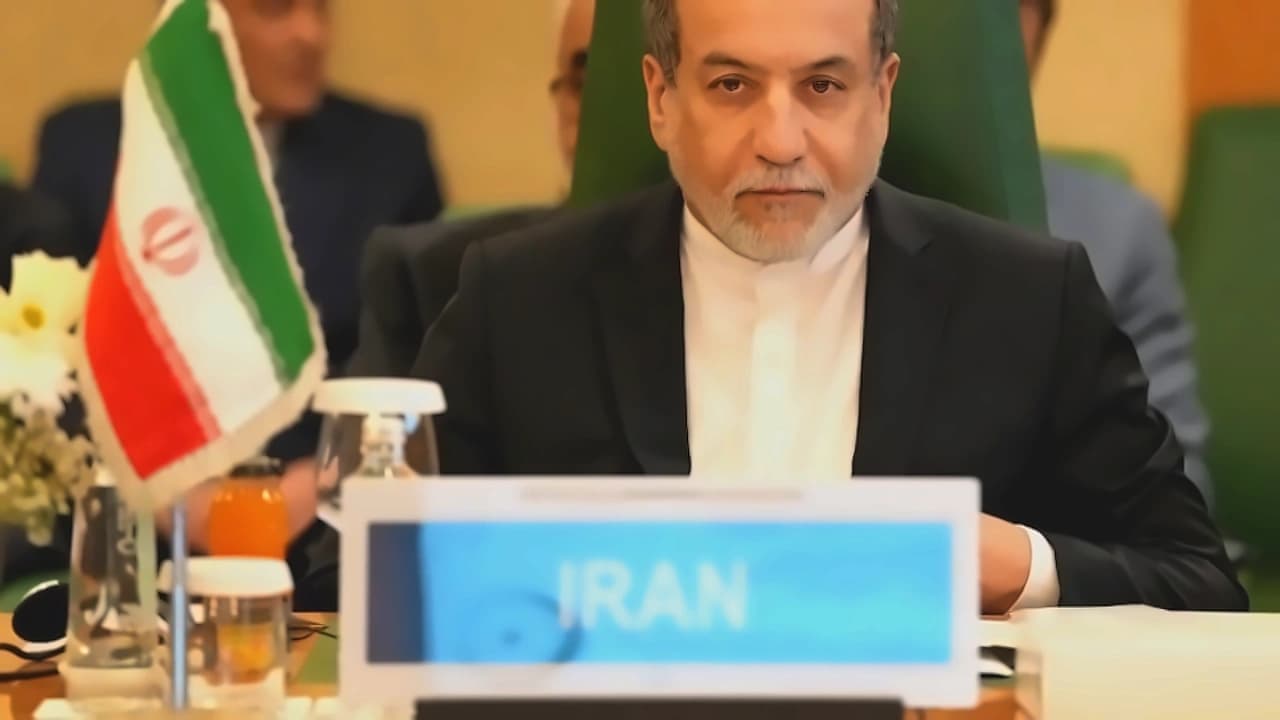
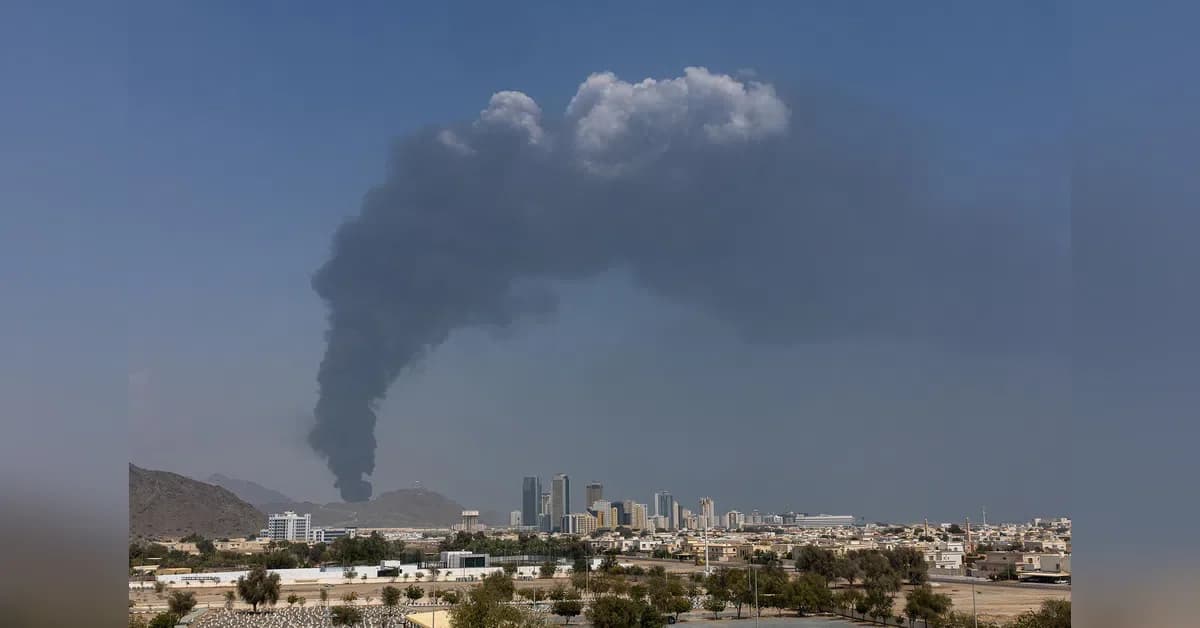
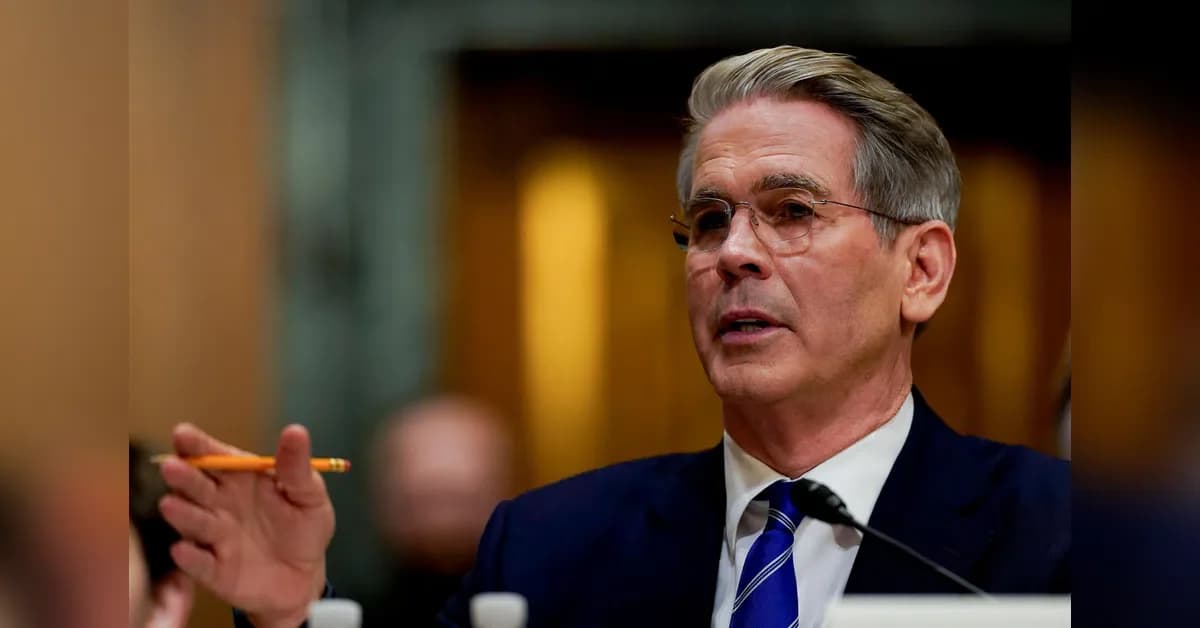
Donald Trump announced that the United States and Iran have finalized a peace deal, with a formal signing ceremony set for June 19 in Switzerland. Pakistan's Prime Minister Shehbaz Sharif confirmed the agreement on Monday, announcing "The Peace Deal between the United States of America and Islamic Republic of Iran has been REACHED" following intensive negotiations. The framework operates as a 60-day memorandum of understanding rather than a final treaty, with the structure favoring quick de-escalation over a binding settlement. Trump confirmed the deal on Truth Social, writing "The Deal with the Islamic Republic of Iran is now complete. I hereby fully authorize the toll free opening of the Strait of Hormuz, and, simultaneously herewith, authorize the immediate removal of the United States Naval blockade. Ships of the World, start your engines. Let the oil flow!" The memorandum can extend by mutual consent, according to a U.S. official cited by Axios, providing flexibility for both sides to continue negotiations. Trump calls the principle 'relief for performance,' with temporary waivers allowing Iran to sell oil again during the window while frozen funds remain locked until a final, verified deal is reached.
Conflicting reports have emerged over the release of frozen Iranian assets, with Iranian state media publishing what it claims are the agreement's asset-release provisions, while a senior US official flatly denying the characterisation. Iran's Mehr news agency, citing a 14-point memorandum of understanding (MoU), reported that the United States will release $12 billion in frozen Iranian assets before the start of formal negotiations. The document published by Mehr stipulates "the release of 24 billion dollars in frozen Iranian assets during the 60-day negotiation period" that begins after the memorandum of understanding is concluded. "Half of this amount must be made available to Iran before the start of the negotiations," the text specifies, according to Mehr. The report has not been officially confirmed by either government, creating uncertainty around the final asset release terms.
Trump has issued stark warnings about potential military action if Iran fails to reach a final nuclear accord, telling The New York Times that if Tehran refuses to conclude a deal, "I would either restart military attacks on Tehran or make the United States 'the guardian of the Middle East' in return for 20% of the region's revenues." Speaking in a 28-minute phone interview with the outlet on Sunday, Trump said the agreement would ensure the Strait of Hormuz remains "permanently toll free" and argued that his decision to attack Iran in late February, followed by a naval blockade of its ports, had remade the Middle East in America's favour. Trump also took direct aim at Israeli Prime Minister Benjamin Netanyahu, whom he excoriated for mounting attacks that nearly derailed the final agreement, saying "He's a very difficult guy, and to be honest with you, he should be very thankful to us for doing this. Because if Iran had a nuclear weapon, Israel wouldn't be around for two hours."
The draft includes an Iranian pledge to never pursue nuclear weapons, with the framework deferring enrichment limits and stockpile removal to the 60-day negotiations. Iran has 440.9 kilograms (972 pounds) of uranium that is enriched up to 60% purity, a short, technical step from weapons-grade levels of 90%, according to the International Atomic Energy Agency. This structure echoes the 2015 nuclear accord, the JCPOA, which Trump exited in 2018, with relief meant to follow compliance rather than upfront commitments. The two sides still disagree openly, with Trump insisting the deal allows no uranium enrichment while Iranian Foreign Minister Abbas Araghchi says otherwise. The negotiations will continue on a broader and more detailed nuclear agreement, with Iran's nuclear programme, uranium enrichment activities and mechanisms for handling its stockpile of highly enriched uranium to be negotiated within 60 days.
**The framework includes the release of $25 billion of Iran's frozen assets, including via direct cash transfers, cooperation among regional countries, and financial credit lines. Washington, in coordination with its regional allies, would prepare a reconstruction and development plan for Iran, to be negotiated and agreed with Tehran within 60 days. Iran has insisted that the release of billions of dollars in frozen Iranian assets is part of peace agreement and has also sought compensation for services related to shipping through the Strait of Hormuz, according to Iran International media outlet. Foreign Ministry spokesman Esmail Baghaei stated that the release of Iran's frozen cash would be a 'fundamental' component of any arrangement, emphasizing that Tehran should be compensated for services rendered in the Strait of Hormuz. The leaked MOU text published by Mehr also outlines that final negotiations will not begin until half of Iran's blocked funds are released, oil sanctions are suspended, and the naval blockade is lifted.
The deal has received widespread international support, with UK Prime Minister Keir Starmer stating Britain was ready to support further technical talks and calling for the Strait's reopening to be restored. "Attention must now turn to fully implementing the memorandum of understanding to ensure the Strait reopens and remains fully and permanently open, and that the detailed elements of the nuclear agreement are finalised," Starmer said. French President Emmanuel Macron welcomed the agreement, calling for swift implementation by all parties and noting that the resumption of maritime traffic without restrictions or tolls is essential for regional stability and the global economy. US Vice President JD Vance credited Trump for creating space for wider change in the Middle East, stating 'I think we can safely say, with confidence, that Iran will never have a nuclear weapon' and expressing hope that energy prices would fall. The final agreement, under the terms of the MOU, is reportedly to be ratified by a UN Security Council resolution, according to the leaked document published by Mehr. The formal ceremony in Switzerland on June 19 is expected to define the next steps, with the agreement now placing focus on implementation, shipping access and technical talks.