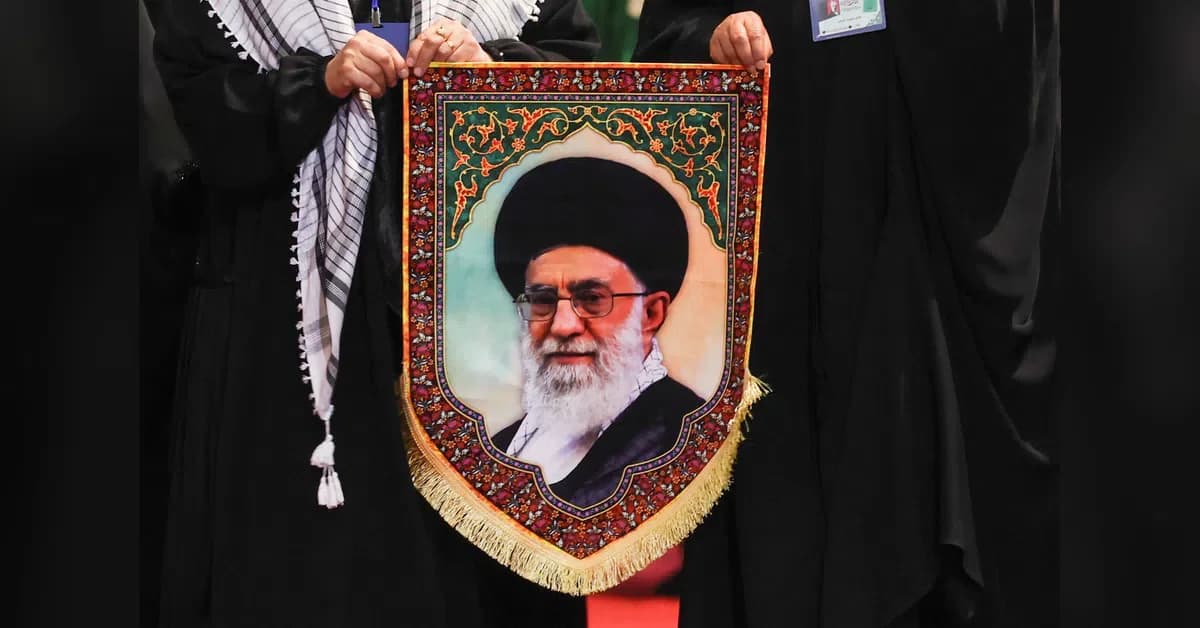
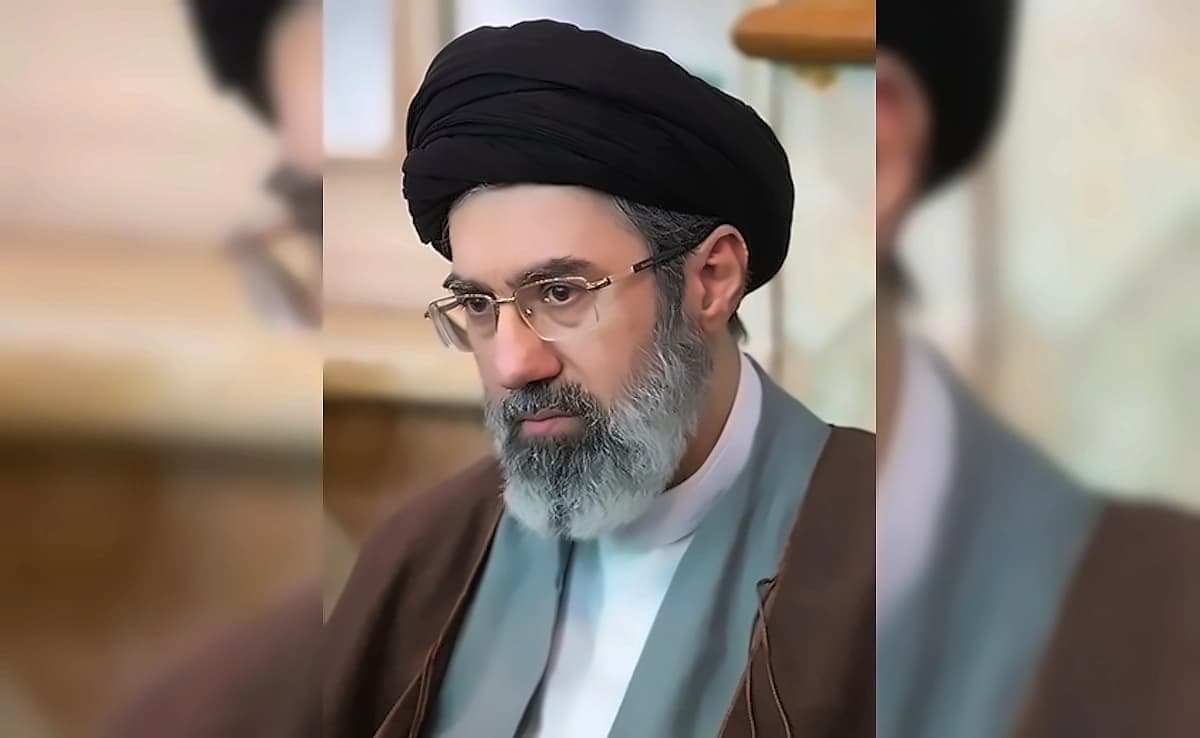
Iran's Supreme Leader Ayatollah Mojtaba Khamenei has issued a directive that the country's near-weapons-grade uranium should not be sent abroad, according to reports from Reuters. This represents a hardening of Tehran's stance on one of the main US demands at peace talks, as confirmed by two senior Iranian sources who spoke on condition of anonymity. The directive could further frustrate US President Donald Trump and complicate talks on ending the US-Israeli war on Iran. President Trump had previously provided assurances to Israel that Iran's inventory of highly enriched uranium would be completely extracted from the Islamic Republic, as confirmed by Israeli officials speaking to Reuters.
Iran's top administrative and military echelons are convinced that relinquishing control of the material and sending it overseas would drastically undermine domestic security, leaving the country far more vulnerable to future military incursions by Washington and Tel Aviv, as reported by Reuters. According to one of two Iranian sources who spoke on condition of anonymity, there is widespread scepticism within Tehran's political establishment, where many view the temporary lull in active warfare as a tactical deception by Washington. Iran's chief peace negotiator Mohammad Baqer Qalibaf remarked on Wednesday that 'obvious and hidden moves by the enemy' clearly demonstrated that the American military was actively laying the groundwork for fresh offensives. The Supreme Leader has the last say on the most important state matters, and his directive reflects this authority.
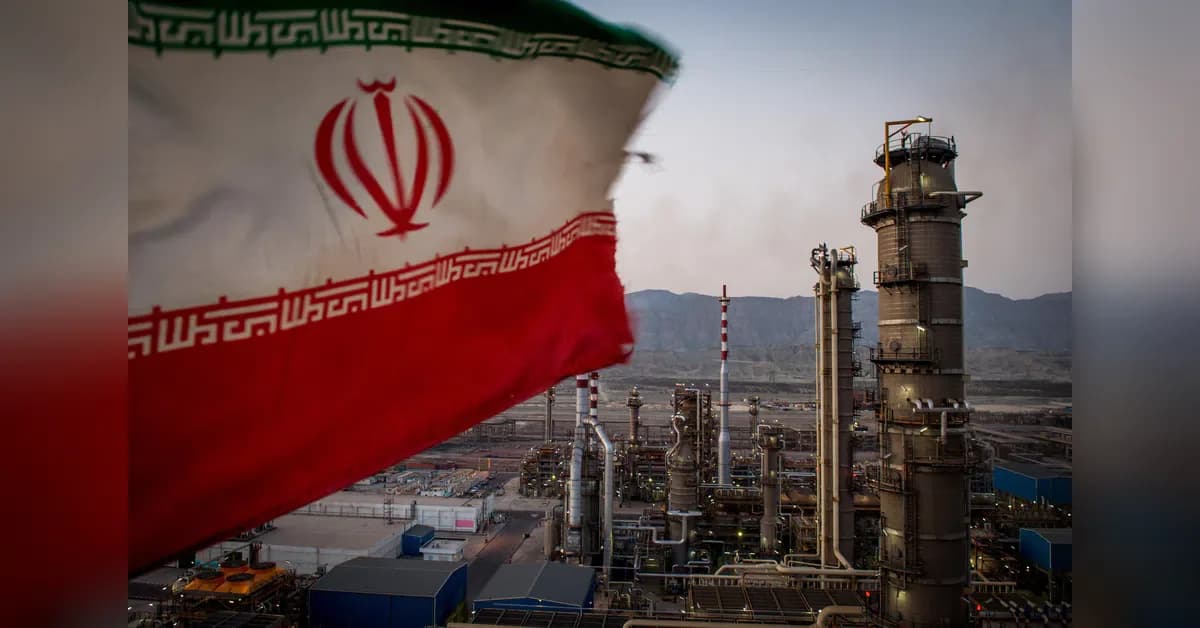
According to official audits compiled by the International Atomic Energy Agency (IAEA), Iran was in possession of an estimated 440.9 kg of uranium enriched to 60% at the precise moment Israel and the US launched targeted strikes against Iranian atomic infrastructure in June 2025. IAEA Director General Rafael Grossi noted in March that the surviving portion of that specific stock was 'mainly' being secured within a fortified, subterranean tunnel network located at the Isfahan atomic facility, with inspectors estimating slightly more than 200 kg currently positioned at that site. The IAEA maintains that an additional portion of the inventory is being held at the Natanz nuclear production centre. Iran claims some highly enriched uranium is needed for medical purposes and for a research reactor in Tehran which runs on relatively small amounts of uranium enriched to around 20%.
Despite the current pause in active fighting, negotiators have failed to achieve a significant diplomatic breakthrough, with the bargaining table remaining heavily complicated by a stringent US naval blockade choking Iranian shipping hubs, balanced against Tehran's strategic leverage over the Strait of Hormuz. The adversarial nations have recently begun to bridge minor differences, but profound ideological and strategic rifts persist regarding the ultimate trajectory of Tehran's atomic programme. Israeli Prime Minister Benjamin Netanyahu has said he will not consider the war over until enriched uranium is removed from Iran, Tehran ends its support for proxy militias, and its ballistic missile capabilities are eliminated. The two sides have started to narrow some gaps, but deeper splits remain over Tehran's nuclear programme — including the fate of its enriched uranium stockpiles and Tehran's demand for recognition of its right to enrichment.
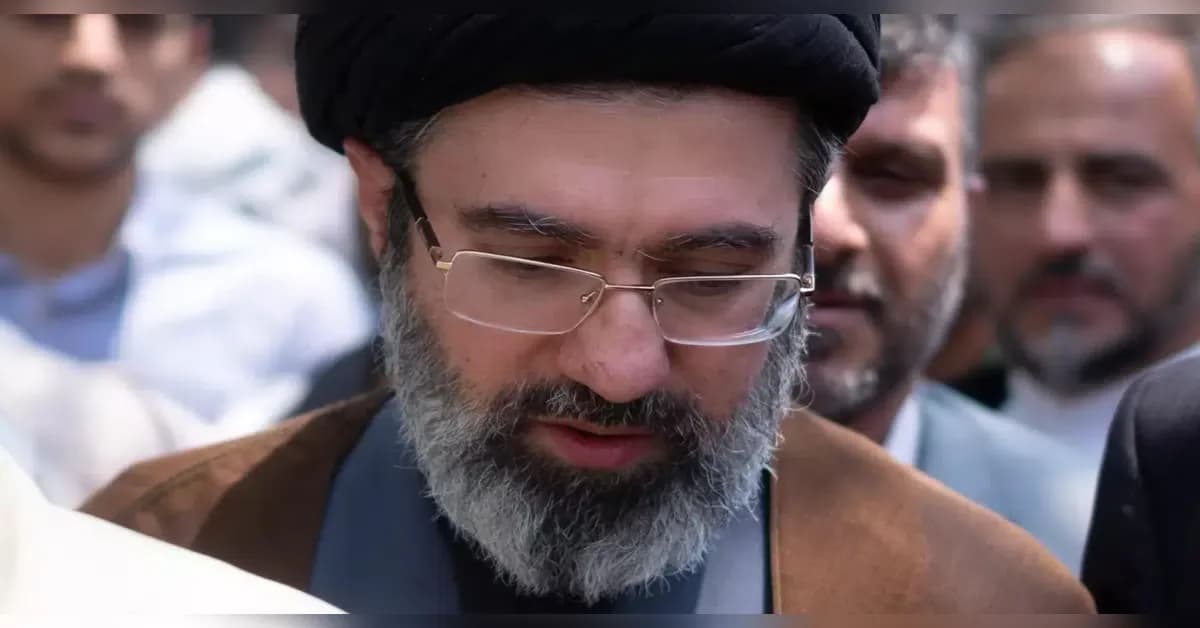
One of the confidential sources implied that diplomatic avenues still exist, noting that there were 'feasible formulas' capable of unlocking the current stalemate. According to the Iranian sources, potential compromises include 'diluting the stockpile under the supervision of the International Atomic Energy Agency.' Before the war, Iran had signalled willingness to ship out half of its stockpile of uranium which has been enriched to 60% - a level far higher than what is needed for civilian uses and closer to the 90% needed for a weapon. However, this diplomatic flexibility evaporated following repeated public threats from Trump to launch devastating strikes against the Iranian mainland. The IAEA estimates that Iran had 440.9 kg of uranium enriched to 60% when Israel and the US attacked Iranian nuclear facilities in June 2025, but how much of that has survived is unclear.