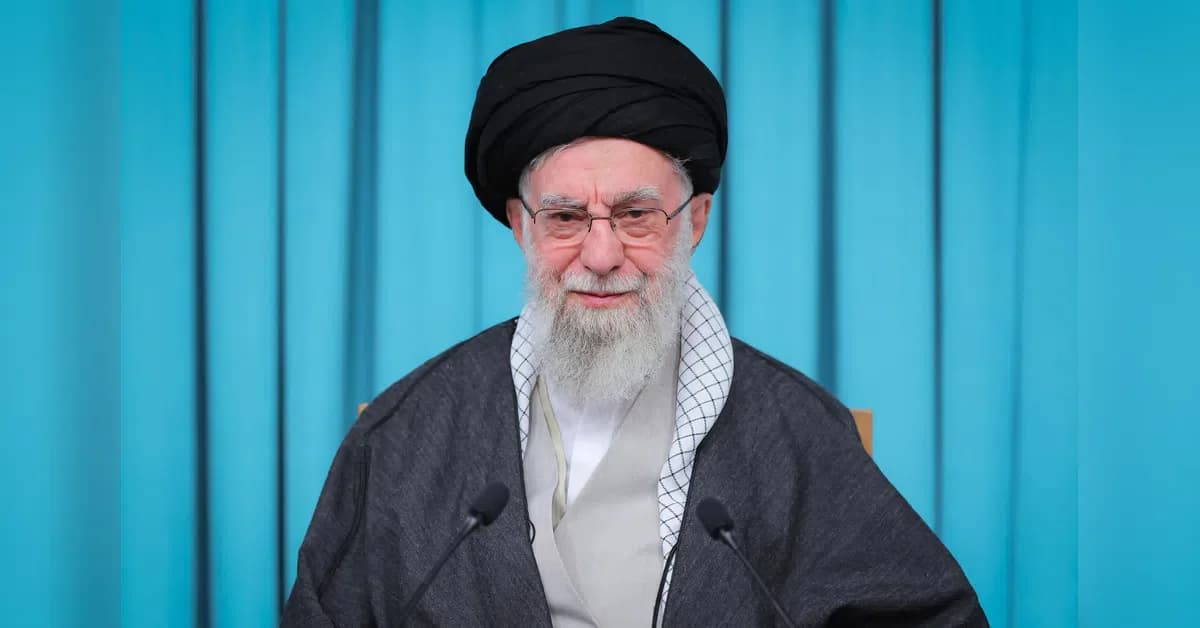
Iran has categorically rejected US President Donald Trump's latest offer of negotiations, with Foreign Minister Seyed Abbas Araghchi citing paragraph 13 of the memorandum of understanding (MoU) as the basis for their rejection. In a post on X, Araghchi stated that 'Millions of proud Iranians rallied in unity to honor Grand Ayatollah Khamenei and his legacy. Neither them nor our Brave Armed Forces are moved by any threats.' He emphasized that 'Para 13 of the MoU is clear: Negotiations on final Deal will not commence if threats continue. Honor your signature.' This represents a firm rejection of Trump's ultimatum to either strike a deal or face military action, with Iran maintaining that negotiations cannot proceed under coercion.
Trump claimed Iran is 'begging to make a deal' after the conflict, adding that Washington and Tehran have agreed to pause nuclear negotiations for a week until the funeral ceremonies conclude. According to Axios, 'They are begging to make a deal,' Trump told the outlet, while also claiming there would be no attacks by either side during this period. 'They are all there. One shot and we can take them all out, but we are not going to do that because then we would have nobody to negotiate with,' Trump said, referring to Iran's remaining leadership. The comments come as nearly 100 countries participated in the formal state funeral ceremonies, with at least eight heads of government and 12 parliamentary speakers among the delegations attending the multi-day mourning rituals. Delegations from countries including India, Russia, Pakistan, Norway, Sri Lanka, the United Kingdom, Cambodia, Greece, Sweden, Myanmar, Thailand, Indonesia, and Afghanistan were among those present to pay tribute.
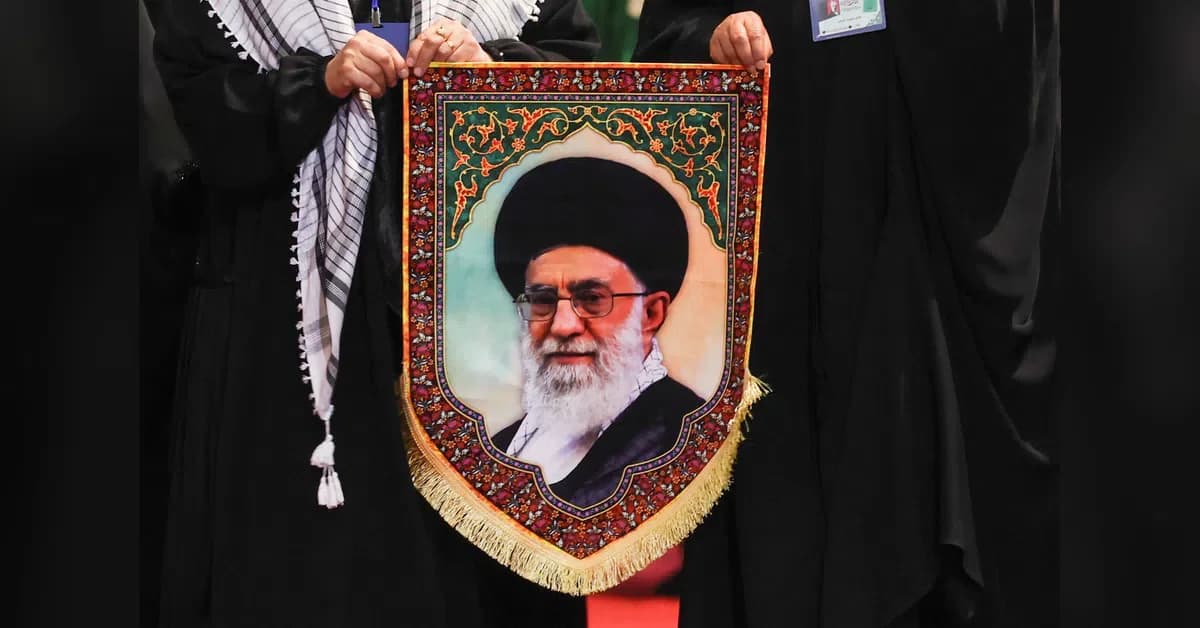
Iran has launched a six-day farewell ceremony for the late Supreme Leader Ayatollah Ali Khamenei, with authorities expecting up to 20 million mourners to participate across Iran and Iraq. The ceremonies, running from July 4 to July 9, began at Tehran's Grand Mosalla prayer complex, where Khamenei's body has been placed for three days of public viewing. Thousands of mourners are expected to pay their final respects before a massive state funeral procession through the Iranian capital on July 6. The procession will then move to Qom on July 7, Iran's most important centre of Shia Islamic scholarship, where religious leaders will hold special prayers and commemorative ceremonies. The funeral for Khamenei, who ruled Iran for 36 years before he was killed at age 86 in a Feb. 28 airstrike in the opening moments of the Iran war, could provide a boost for the country's theocracy and its new supreme leader, his son Ayatollah Mojtaba Khamenei. Ali Khamenei, who led Iran for 36 years, was killed on Feb. 28, the first day of the US-Israel military campaign against Iran, triggering a wider regional conflict. Owing to the war, Iran delayed his burial despite Islamic tradition favouring burial within 24 hours.
The funeral itinerary reveals a massive cross-border logistical undertaking, with ceremonies encompassing multiple major cities across both Iran and Iraq, including Tehran, Qom, and Mashhad, alongside Najaf and Karbala. On July 8, the funeral will continue in the Iraqi holy cities of Najaf and Karbala, reflecting Khamenei's influence across the Shia Muslim world. The ceremonies will conclude on July 9 with his burial at the Imam Reza shrine in Mashhad, his hometown and one of Shia Islam's holiest sites. Throughout the six days, Iran will hold state honours, Quran recitations, funeral prayers, military tributes and public mourning events. The extensive multi-day funeral arrangements will be attended by guests from around 100 countries, including heads of government, parliamentary speakers, foreign ministers, and numerous public delegations. The funeral for Khamenei, who ruled Iran for decades before he was killed at age 86 in a Feb. 28 airstrike in the opening moments of the Iran war, could provide a boost for the country's theocracy and its new supreme leader, his son Ayatollah Mojtaba Khamenei.
Iran has dismissed the latest warning from Trump, with Secretary of Iran's Supreme National Security Council Mohammad Baqer Zolqadr describing Trump's remarks as 'delusional' and accusing Washington of attempting to pressure Tehran through threats. Zolqadr said in comments carried by state media, 'Iranians are unfamiliar with the language of threats. So speak to the Iranian people with respect, otherwise we will respond in another language.' Iranian leaders have consistently maintained that negotiations cannot succeed under coercion and have vowed to respond to any military aggression. The funeral ceremonies drew hundreds of thousands of mourners to the streets of Tehran, with the event featuring slogans calling for revenge against the United States and Israel. Effigies of Trump were displayed during parts of the procession, displaying the heightened anti-US sentiment. Diplomatic channels between the US and Iran remain open but have not produced a breakthrough. The ceasefire is under increasing strain as both sides exchange warnings, raising concerns that these tensions could further escalate unless both sides return to a meaningful dialogue.