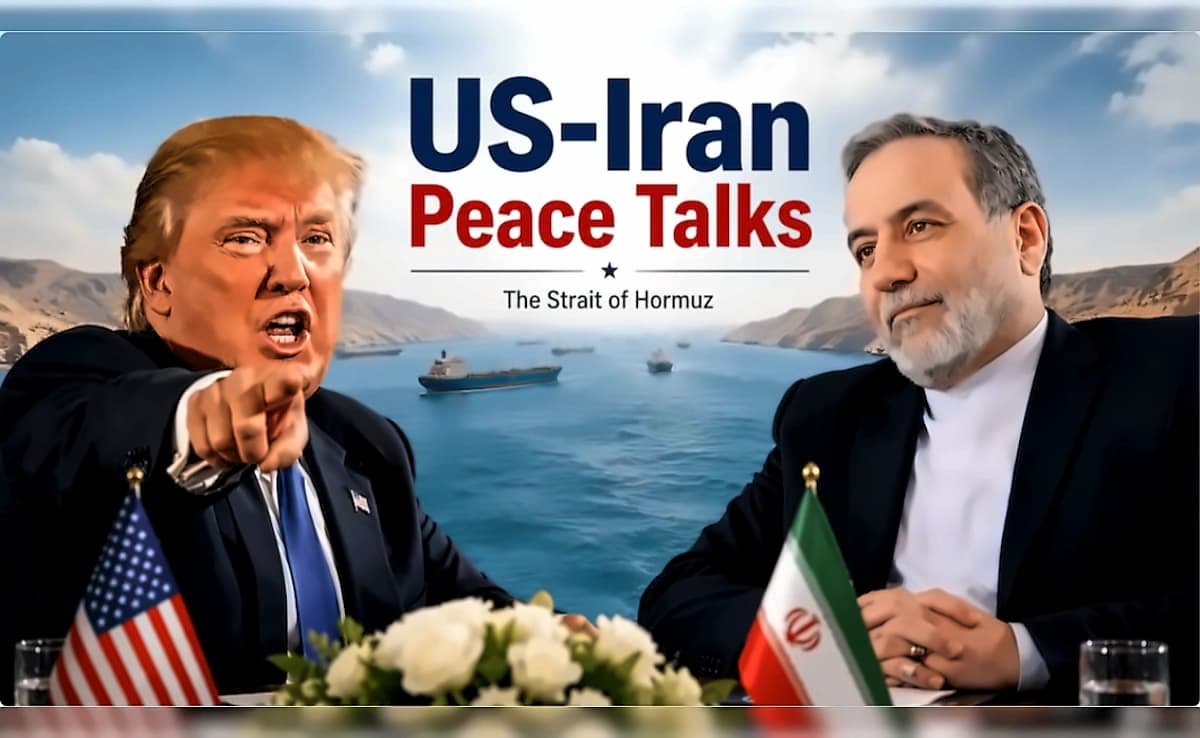
US Secretary of State Marco Rubio wrapped up a three-day tour of the Gulf region on Thursday, seeking to reassure regional allies about the preliminary US-Iran framework agreement. Speaking at a meeting of Gulf Arab foreign ministers in Bahrain, Rubio told allies that 'any deal with Iran would take their interests into account, as we're seeking an enduring peace with long-time foe Iran that would not come at the expense of the security of allies in the oil-rich region.' According to Business Standard, Gulf allies shared 'very serious concerns' and wanted to be 'informed of every step of the peace accord, which includes provisions on Hormuz.' The tour marked the first high-level diplomatic mission since the US-Iran framework agreement last week, which ended the conflict that started on February 28 with US-Israeli strikes on Iran. As reported by Business Standard, Rubio emphasized that 'the biggest concern is that they really just want to be informed every step along the way as we enter these negotiations at both the technical and political levels.' He assured allies that 'we want them to be involved and we want the views of all these countries to be reflected' and that 'we don't want to and will not be making any decisions or commitments that in any way undermines the prosperity, stability or security of our Gulf partners.'
Rubio emphasized that 'no country on Earth has the right to charge for the use of international waterways' and that fees for shipping would never be part of any deal. As reported by Business Standard, he told ministers that 'if Iran threatens or blocks ships in the strait, ' The joint statement released after the meeting stressed that 'any economic benefit Iran might realize is conditional and reversible, contingent on Iran's compliance' with the temporary agreement and a final deal. The statement also welcomed an Omani initiative to create a safe lane to evacuate stranded sailors from the waterway, with all six GCC nations backing 'free, unconditional, and unrestricted navigation' in the Strait of Hormuz without 'any tolls, fees, or attempts to assert control.'
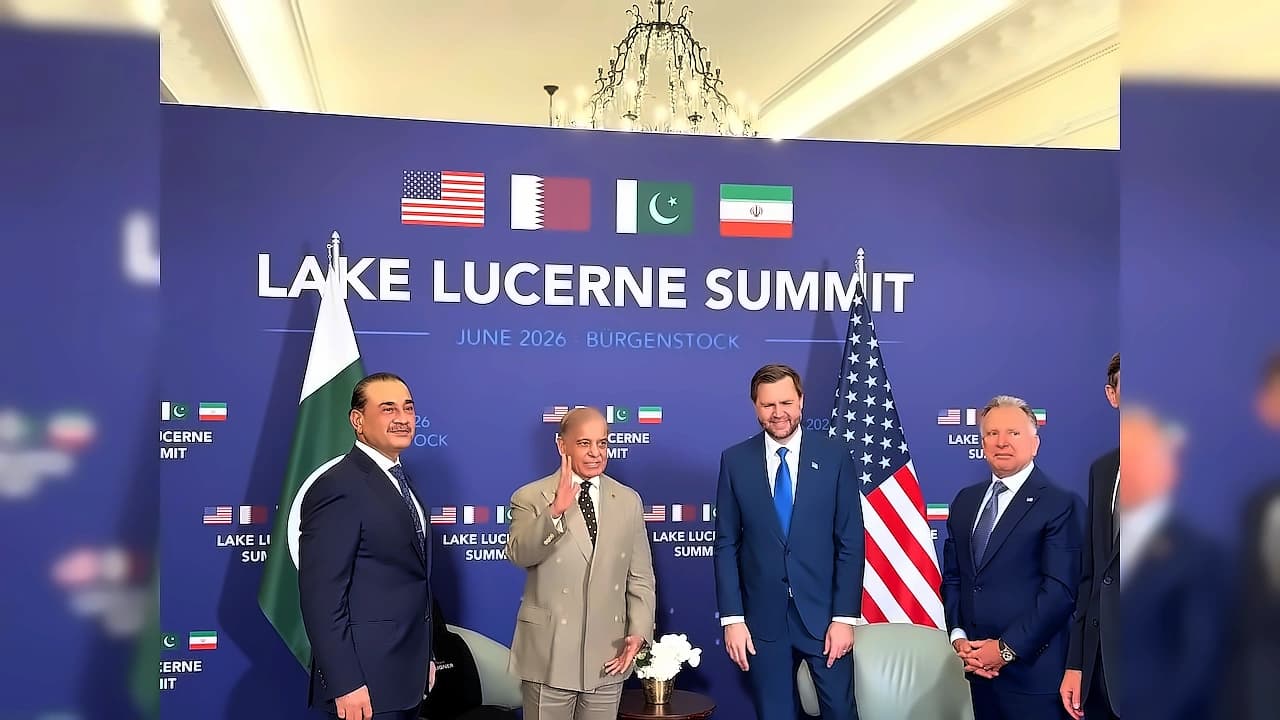
Two Republican senators have publicly questioned the role of Qatar and Pakistan as intermediaries in the Iran ceasefire negotiations, according to reports from X. Senator Rick Scott took aim at both countries in a post, writing that recent developments had made clear 'who our friends really are.' He stated that 'Qatar and Pakistan have long histories of harboring terrorists, and right now they seem far more invested in propping up Iran's decades-long terror campaign than achieving a meaningful peace.' These comments came as Vice President J.D. Vance participated in discussions in Switzerland with leaders from Pakistan and Qatar on the technical details of a peace deal with Iran. The senatorial criticism has intensified as Vice President Vance has maintained a conciliatory tone toward Pakistan, expressing 'love' for the country during recent diplomatic engagements.
According to reports from Financial Times, veteran Qatari mediators Ali al-Thawadi and Hamad al-Kubaisi traveled to Tehran and met with U.S. officials in recent weeks, with one Western diplomat noting 'The Qataris quietly did most of the heavy lifting to bridge the two sides.' Doha also hosted senior Iranian figures as part of its effort to stave off a relapse into war and maintain momentum toward an agreement. This diplomatic activity has been complemented by Pakistan's Field Marshal Syed Asim Munir, who made two trips to Tehran in April and May, repeatedly sending Interior Minister Mohsin Naqvi as his personal emissary to build trust and facilitate agreements over unresolved issues.
The Gulf Cooperation Council (GCC) and the US issued a joint statement on Thursday addressing regional security concerns. As reported by Business Standard, the statement emphasized that 'a lasting peace would mean addressing Iran's ballistic missiles, drones and support for proxy groups.' The joint statement said the two sides 'stressed the need to maintain momentum and unity as negotiations proceed toward a more permanent end to hostilities and the shared objective of preventing Iran from ever developing or otherwise acquiring a nuclear weapon.' However, GCC Secretary General Jasem Mohamed Albudaiwi hinted at potential discontent, stating that 'such arrangements must be based on the principles of international law, respect for state sovereignty, good neighborliness, and non-interference in internal affairs, thereby contributing to the consolidation of regional security and stability.' The statement also noted that 'many questions remain outstanding' and that 'while this progress is encouraging, it is critically important that Iran fully adheres to its obligations' including preventing nuclear weapon development, preserving freedom of navigation, ending missile and drone attacks, halting support for proxy groups and abandoning attempts to interfere with Iran's neighbors.