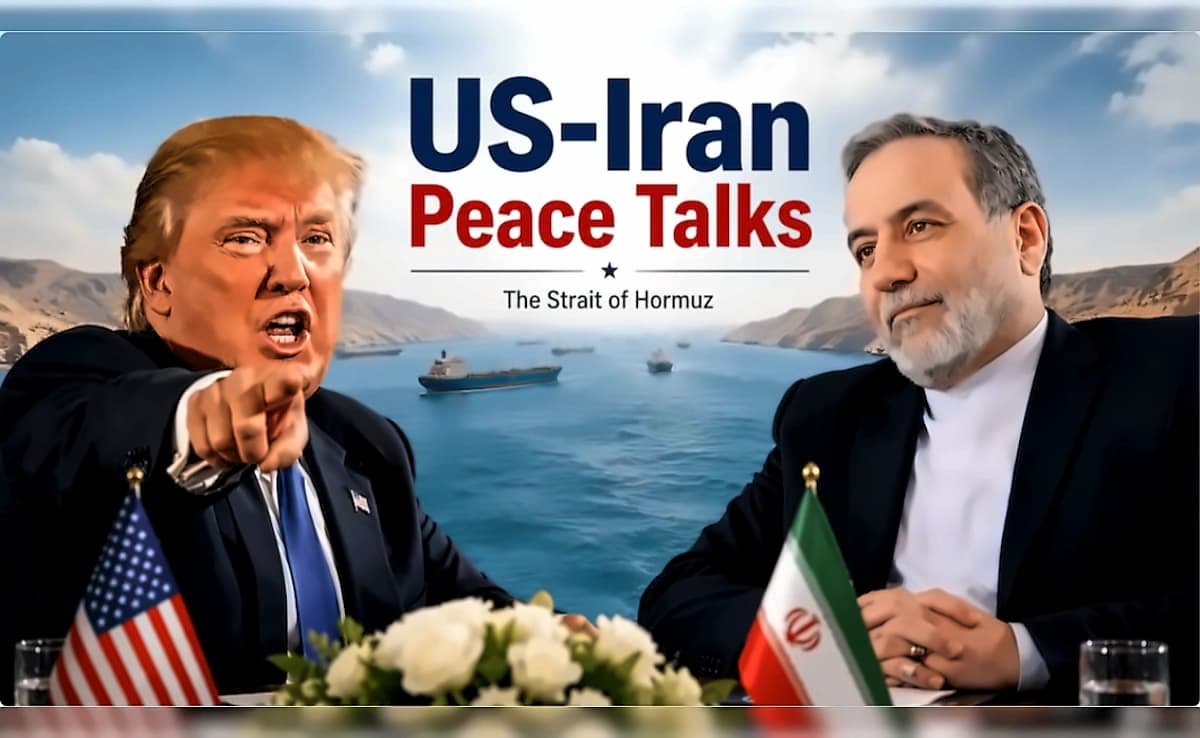
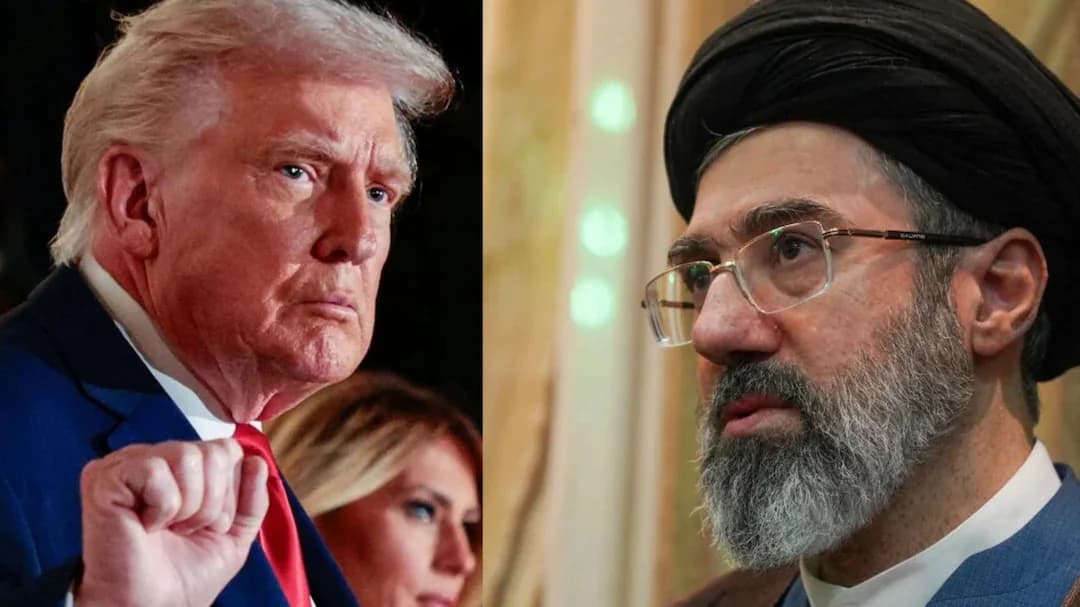
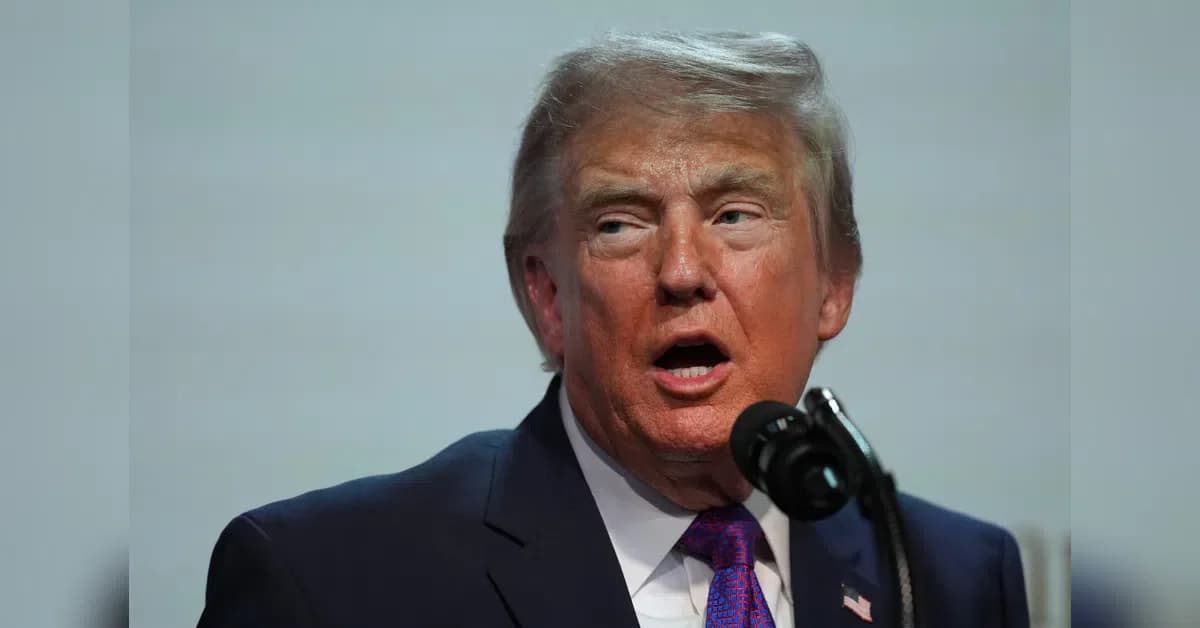
US Secretary of State Marco Rubio indicated on Tuesday that negotiating a deal with Iran could 'take a few days', according to reports from Reuters. Speaking to reporters aboard his plane in Jaipur, Rubio acknowledged there was 'a pretty solid thing on the table', citing progress on opening the Strait of Hormuz and advancing a 'time-limited negotiation on the nuclear matter'. He added that Washington would give diplomacy every chance to succeed before exploring what he called the 'alternatives' — a thinly veiled warning that military options remain on the table. As reported by Reuters, the discussions focused on the Strait of Hormuz and Iran's stockpile of highly enriched uranium, with Iran's central bank governor attending to discuss the potential release of frozen Iranian funds as part of a final deal. According to Reuters, there were talks going on in Qatar today, with Rubio noting that 'there's a lot of talking back and forth going on about specific language in the initial document'. The president's expressed his desire to make it, saying 'He's either going to make a good deal or no deal'. Latest developments show Iranian Foreign Ministry spokesman Esmaeil Baqaei confirmed that while there remain 'some issues that we have not yet finalized,' talks with the U.S. continue, though he cautioned that diplomacy was up against 'problems and obstacles' caused by 'frequent changes in positions and contradictions' by the Trump administration.
Rubio zeroed in on the Strait of Hormuz, the critical waterway whose closure has roiled global energy markets since hostilities erupted in February. As reported by Reuters, he told reporters that 'the straits have to be open, they're going to be open one way or the other, so they need to be open'. According to Reuters, only a few dozen vessels have been passing through the Strait of Hormuz compared with 125 to 140 daily previously, with about a fifth of the world's oil and liquefied natural gas usually flowing through the waterway. An Iranian blockade of the vital shipping channel has strangled global fuel supplies and caused oil prices to rocket, with the latest strikes targeting missile launch sites and boats placing mines to protect U.S. troops from threats posed by Iranian forces. According to Reuters, Iran has been letting some ships through, giving preference to ships linked to countries with which it has alliances or close ties, and striking government-to-government agreements. Rubio emphasized that 'What's happening there is unlawful, it's illegal, it's unsustainable for the world, it's unacceptable'. Recent reports indicate that Iranian Foreign Ministry spokesman Esmail Baqaei clarified that Iran does not charge 'tolls' for ships to transit the strait, stating 'There is no toll' and that the new system with Oman will have costs only for 'services and necessary measures for protecting the environment' of the Strait of Hormuz.
According to reports from Reuters, Iran responded to the U.S. strikes by launching drones and missiles at Gulf states that host U.S. bases, with the Revolutionary Guards saying they reserved the right to retaliate against any ceasefire violations. The Revolutionary Guards said air defence units had also fired at another drone and at a fighter jet which they said had entered Iranian airspace over the Gulf region. Iran said on Monday it had downed a 'hostile' stealth drone using a new air defence system, without specifying where the drone had originated. The latest strikes came after top Iranian negotiators gathered in Qatar's capital for the latest round of talks to end the nearly three-month-long conflict, which has sent global energy prices spiralling after Iran effectively blocked the Strait of Hormuz. As reported by Al Jazeera, Iran's state broadcaster IRIB reported several loud explosions were heard in the vicinity of Bandar Abbas at around midnight local time, with Iran's Fars news agency confirming the US military attacked sites in southern Iran near the strategic port city. Iran's Islamic Revolutionary Guard Corps (IRGC) said on Tuesday that it shot down an MQ-9 Reaper drone after identifying 'hostile aircraft' entering Iranian airspace, and 'also fired upon an RQ-4 drone and an intruding F-35' jet without specifying the time of the incidents. According to CBS News, U.S. forces conducted self-defense strikes in southern Iran today to protect our troops from threats posed by Iranian forces, targeting missile launch sites and Iranian boats attempting to emplace mines.
The latest developments come amid broader regional tensions, with Israeli Prime Minister Benjamin Netanyahu saying on Monday Israel would intensify strikes against the Iran-backed Hezbollah militia in Lebanon, as reported by Reuters. Israel's military soon thereafter said it was attacking Hezbollah infrastructure in Lebanon's eastern Bekaa Valley and other areas. Despite a ceasefire in place since mid-April, Israel has continued airstrikes it says are acts of self-defence against Hezbollah, which was not party to the truce. In comments posted on his Telegram channel on the occasion of the annual hajj pilgrimage, Iran's Supreme Leader Mojtaba Khamenei said: 'The clock cannot be turned back, and the nations and lands of the region will no longer be a shield for American bases'. He added that 'from now on, the slogans 'Death to America' and 'Death to Israel' will be the slogans of the Islamic nation and the oppressed people of the world, especially the youth'. Former diplomat and Pentagon official Adam Clements told Al Jazeera that while the strikes are 'something to watch if this leads to other strikes', formal diplomatic negotiations between the US and Iran are still progressing and the strikes will not derail the process.
Iranian officials have tempered expectations regarding the ongoing negotiations, with Iranian Foreign Ministry spokesman Esmaeil Baqaei stating Monday that 'it is correct to say that we have reached a conclusion on a large portion of the issues under discussion,' but warned that 'to say that this means the signing of an agreement is imminent - no one can make such a claim'. According to CBS News, Iranian Foreign Minister Abbas Araghchi and Iranian parliamentary speaker Mohammed Bagher Ghalibaf are in Doha, Qatar for peace talks, with their visit aimed at resolving outstanding issues between Washington and Tehran. The discussions in Doha are 'primarily focused on Iran's frozen assets — including the amount to be released and the timeline for their release,' as reported by Al Jazeera. Iranian Foreign Ministry spokesman Esmail Baqaei confirmed that the deal under discussion 'is focused on ending the war' and includes provisions for 'the Strait of Hormuz and the lifting or termination of what is described as U.S. maritime interference against Iranian shipping.' He emphasized that 'Certainly, in the very early stages, U.S. actions described as a maritime blockade must be stopped, and at the same time the Islamic Republic of Iran will take the necessary measures to ensure safe passage in the Strait of Hormuz.' According to CBS News, the draft memorandum includes a 60-day extension of the current ceasefire, Iran immediately reopening the Strait of Hormuz and taking steps to ensure traffic returns to pre-war conditions within 30 days, Iran and the U.S., together with their allies, declaring that all military operations on every front, including Lebanon, end immediately and permanently, and Iran agreeing that its stockpile of enriched uranium will be disposed of.