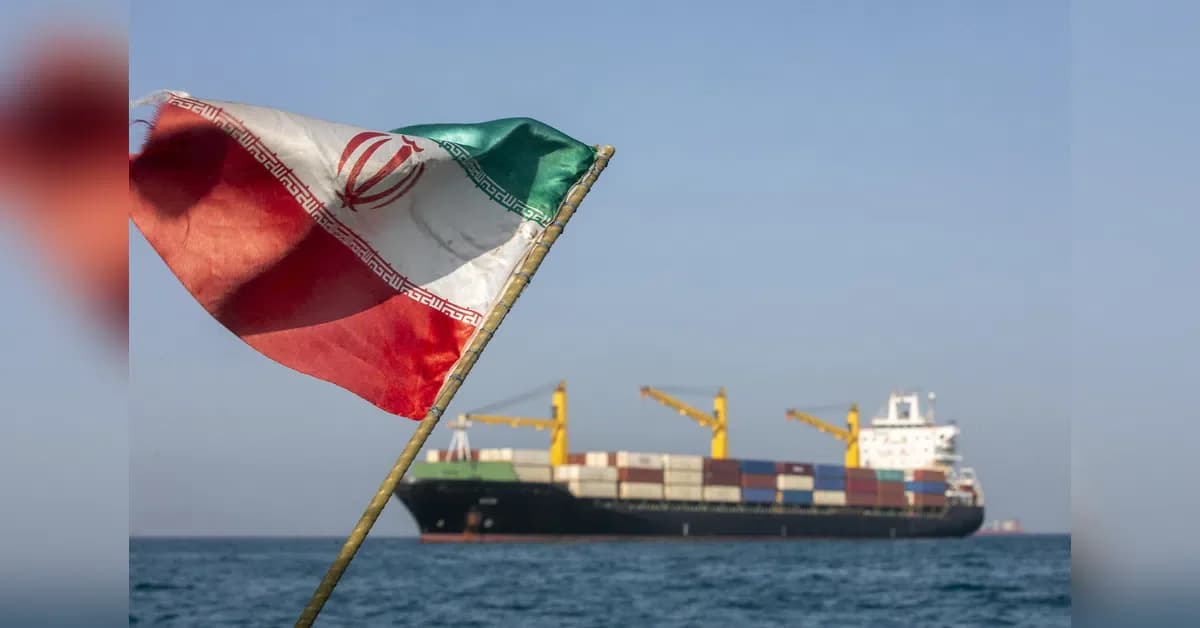
Iranian Ambassador Dr Mohammad Fathali has reaffirmed Tehran's position on nuclear negotiations, stating that 'Regarding the issue of uranium enrichment, the position of the Islamic Republic of Iran is completely clear. We have stated many times that we will not give up the legal and legitimate rights of the Iranian people, including the right to the peaceful use of nuclear energy, which is mentioned in the Nuclear Proliferation Treaty (NPT).' Speaking to ANI, Fathali emphasized that 'The nuclear issue is currently not on the agenda for negotiations, and talks on this matter will take place at a later stage within a specific framework.' This stance comes as the US has demanded the handover of around 400 kilograms of nearly 60 per cent enriched uranium currently under Iran's custody, with the nuclear issue remaining a major bone of contention between the two nations. The ambassador's comments reflect ongoing peace efforts between Iran and the US, where Iran's latest proposal includes ending the blockade of the Strait of Hormuz, with operational control remaining with Tehran, the immediate withdrawal of US forces from the Persian Gulf, and detailed deliberations on the nuclear issue at a later stage.
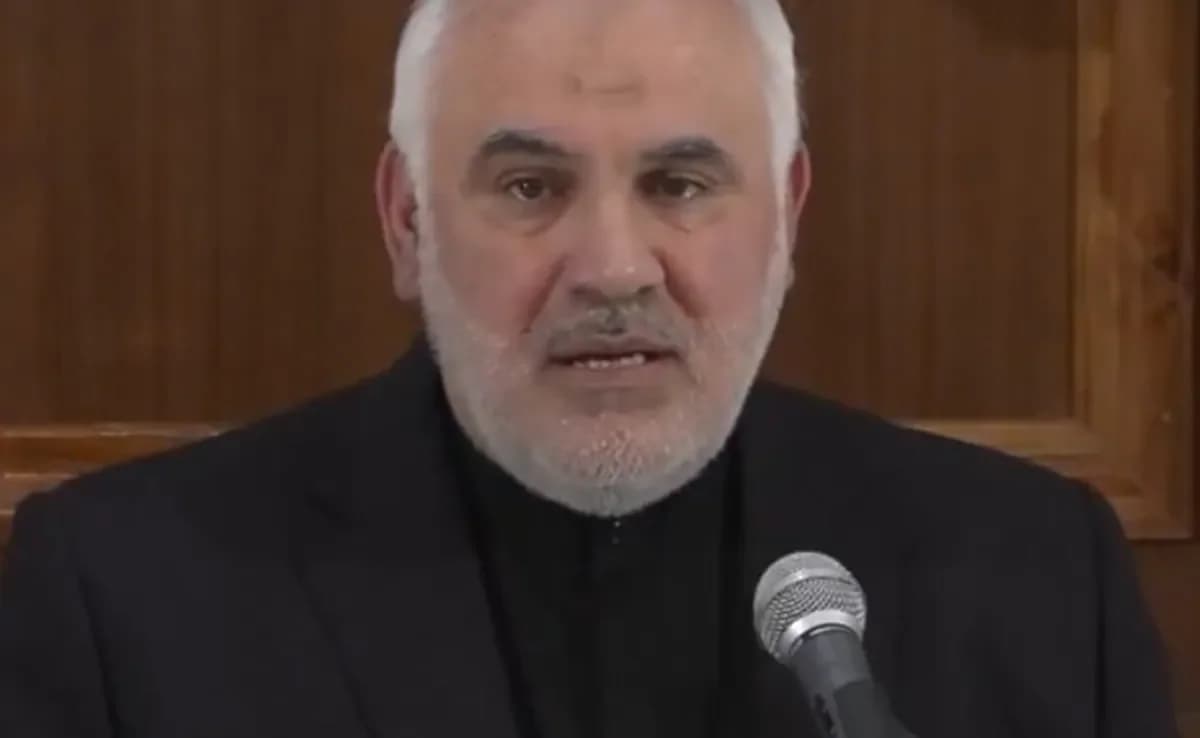
Iranian Ambassador Dr Mohammad Fathali has assured New Delhi that the safety and security of all Indian expatriates living and working in West Asia remains a paramount priority for Tehran. Speaking about Iran's perspective on regional security amid escalating maritime and geopolitical friction across the Gulf, Fathali stated that 'The security and peace of all nations in the region, including Indian citizens working and living in West Asia, are highly important to us.' He added that 'We believe that stability and security in the Persian Gulf will benefit all countries in the region and their economic partners, including India.' The envoy highlighted that maintaining the free flow of commerce through the Persian Gulf is an absolute necessity for international trade, with peace and security in the region remaining a priority for Tehran, especially given India's deep economic and people-to-people ties with West Asia. In an exclusive interview with ANI, Fathali addressed growing domestic anxieties regarding the safety of hundreds of thousands of Indian citizens stationed throughout the volatile West Asian theatre.
The Iranian envoy highlighted the deep strategic and institutional alignments between New Delhi and Tehran, pointing to the expanding footprint of the BRICS alliance as a primary vehicle for regional mediation. Fathali noted that both countries share common interests across energy, multi-modal transportation corridors, and maritime trade that must be aggressively co-developed. He emphasized that 'Iran and India share a long history of friendship, cultural ties, and common interests across various economic, energy, and regional sectors.' The ambassador added that 'The two countries possess significant comparative advantages that can help expand bilateral engagement' and that both ancient trading partners possess unique, market-complementing advantages that must be aggressively co-developed. This strategic alignment comes as both nations seek to leverage their historic, civilizational diplomatic channels amid broader regional tensions.
Fathali praised India's international influence, particularly within the BRICS grouping, as reported by ANI. The ambassador stated that 'As a major global power and an influential member of the BRICS group, India plays an important role in strengthening multilateralism, supporting dialogue, and helping to reduce international tensions.' He described India's role as significant in promoting multilateralism and regional stability on the global stage, while also highlighting India's growing role in supporting dialogue and reducing global tensions. The ambassador emphasized that a peaceful Persian Gulf directly shields the massive economic stakes of both nations, reinforcing India's positioning as a balanced global stabiliser and key driver of multipolar diplomacy. Fathali noted that 'The Islamic Republic of Iran believes that what we see in the region today is the result of policies based on pressure, threats, and military action. These policies have not helped regional stability; instead, they have increased the risk of a wider crisis.'
According to ANI reports, the Iranian ambassador described recent diplomatic interactions as positive and constructive. Fathali noted that 'The recent visit of Iran's foreign minister to India for the BRICS Foreign Ministers' Meeting was very positive and constructive, demonstrating that both countries have a serious will to continue close consultations and cooperation.' The diplomatic meeting demonstrated the 'very positive and constructive' nature of bilateral relations between India and Iran, with the ambassador describing it as 'very positive and constructive' and signaling 'continued consultations and cooperation' between the two nations. This engagement stands in stark contrast to Tehran's deepening mistrust of ongoing backchannel negotiations with Washington over regional settlement terms, with the ambassador's comments directly mirroring a hardline stance from Iran's Parliament Speaker Mohammad Bagher Ghalibaf, who emphasized that 'In negotiations with the US, we have no trust in guarantees or words; only actions are the measure.'