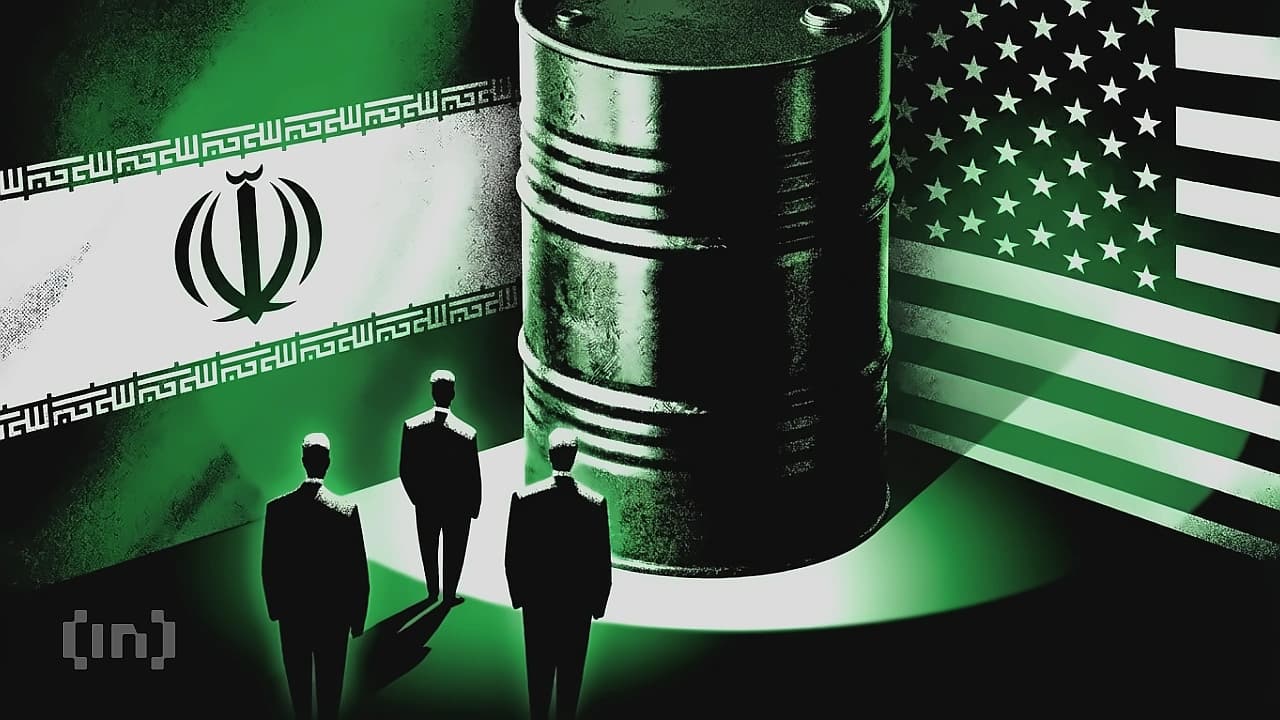
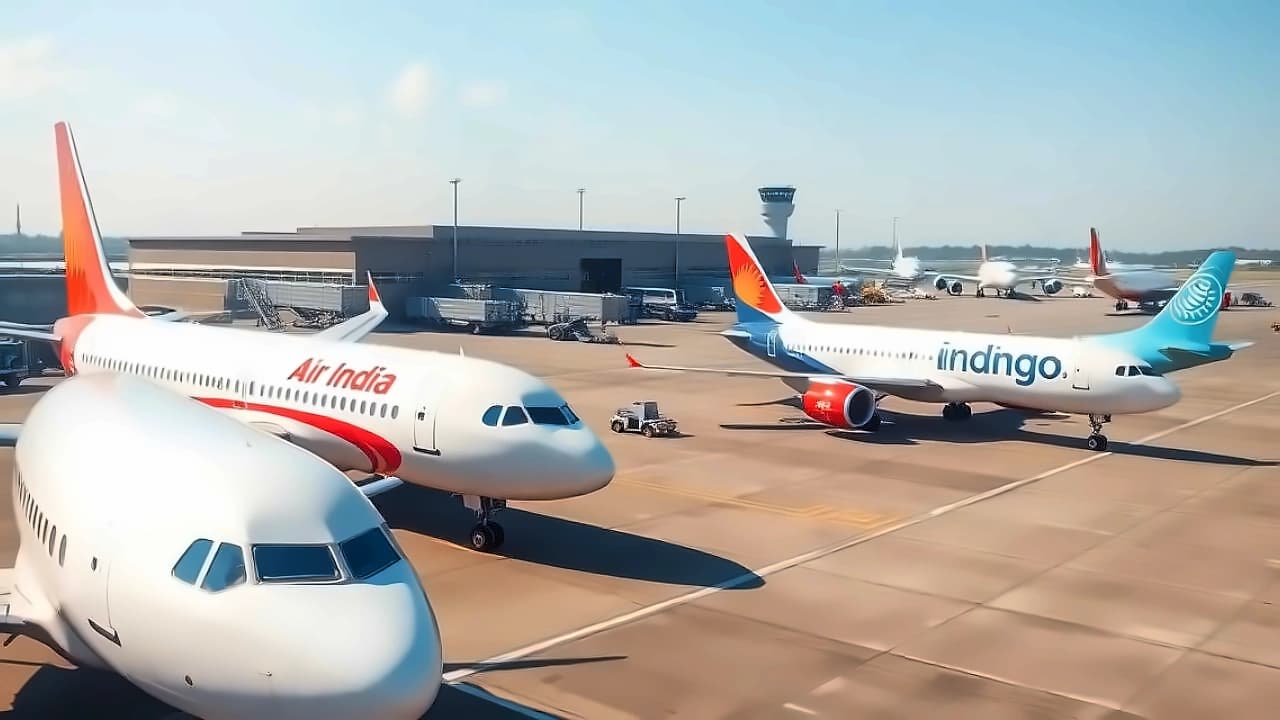
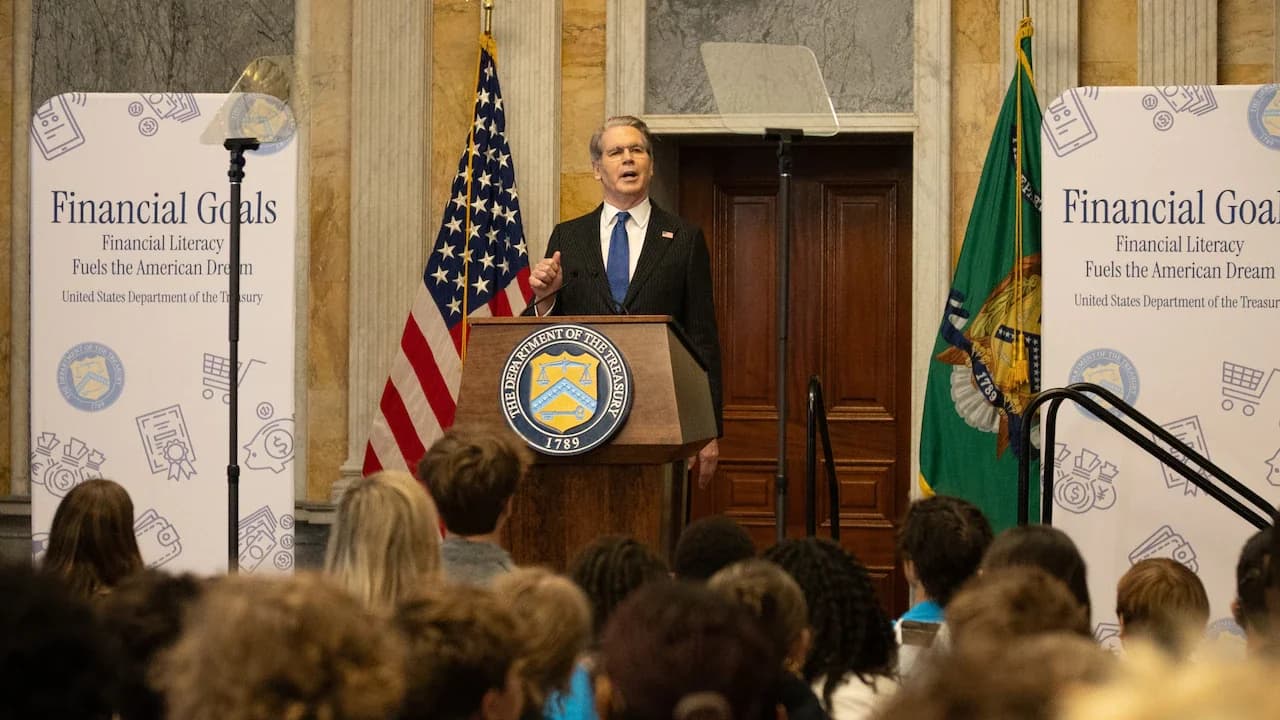
US Treasury Secretary Scott Bessent announced that all Iranian airlines will face a complete global shutdown beginning September 23, 2026, as reported by Al Jazeera. According to Bessent's latest statements, the new sanctions will severely constrain Iranian airlines' ability to operate internationally, with foreign airports and service providers facing restrictions if they continue supporting Iranian carriers. The Treasury Secretary warned that companies providing fuel, landing services, or ticket sales to Iranian airlines will be 'knocked out of the dollar system'. "On September 23rd, all the Iranian airlines will be shut down around the world," Bessent stated, clarifying the comprehensive nature of the restrictions. The measures also put pressure on international aviation hubs that continue to deal with Iranian aircraft, with facilities serving those planes potentially losing access to the U.S. banking system.
The sanctions threat extends far beyond airlines, targeting airports, fuel suppliers, ticketing companies, and other businesses that Iranian carriers rely on to operate internationally, as reported by Al Jazeera. Bessent outlined the enforcement mechanism through secondary sanctions on foreign aviation service providers, explaining that when Iranian airlines land at an airport, "you cannot provide them with fuel, you cannot provide them with landing services, you cannot sell them tickets, or you will be knocked out of the dollar system." This represents a significant escalation from previous sanctions that have already limited Iranian airlines' access to aircraft, spare parts, maintenance, and other aviation-related services for years. The measures also target businesses that continue providing services to sanctioned Iranian airlines, with restrictions covering aircraft transfers, cargo services and support from general sales agents. Companies risk being cut off from dollar clearing if they refuel aircraft, provide landing facilities, or sell passenger tickets to Iranian carriers.
With Iran yet to respond to the latest sanctions threat, several countries have announced they will follow through on the US directive, banning the operation of Iranian carriers, according to AFP reports. Iraqi government sources confirmed on Monday that Baghdad would disallow flights from Iranian airlines following the US Treasury's announcement. Georgia has also announced the ban on Iranian carriers, while Iranian airline Mahan said it suspended service to Turkey at the request of the Turkish government. The US has earlier sanctioned Iran's aviation industry, with Bessent also issuing an 'economic D-Day' threat on the country, pledging to choke off Tehran financially. The restrictions are part of a wider US sanctions regime aimed at isolating Iran from the global financial system, with secondary sanctions also exposing foreign companies dealing with Iran in sectors such as energy, shipping, technology, gold and digital assets to potential penalties.
In a significant development, US Treasury Secretary Scott Bessent revealed that Chinese financial officials have been 'very engaged' in the U.S. economic pressure campaign against Iran, as reported by Al Jazeera. Bessent's remarks came a day after he held talks with Chinese Vice Premier He Lifeng, ahead of US President Donald Trump's meeting with Chinese President Xi Jinping on Thursday. The US was holding what Bessent described as constructive talks with Chinese financial authorities, including People's Bank of China Governor Pan Gongsheng, over compliance with US sanctions on Iran. China is a key economic partner and diplomatic backer of Iran, making Beijing's cooperation important to Washington's efforts to restrict Tehran's access to international finance. Bessent claimed Chinese officials had been 'very engaged' in the US campaign to pressure Iran economically, suggesting China's potential role in implementing the sanctions regime.
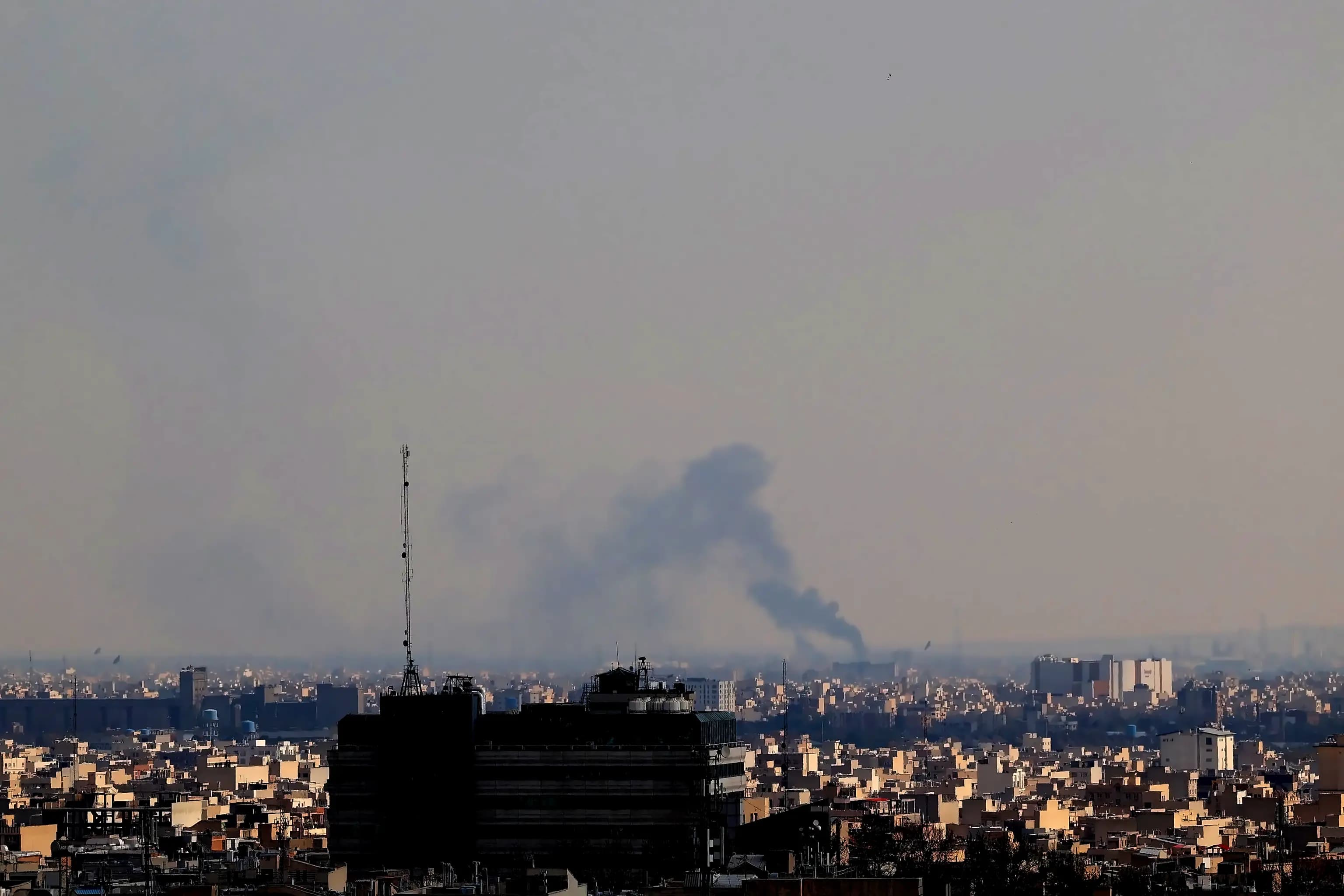
The latest measures represent a significant escalation from previous sanctions and come as Washington steps up economic measures against Tehran under Operation Economic Fury during the Iran war, which is now in its seventh month, according to Al Jazeera. The US and Iran have been at war since late February, when US-Israeli strikes killed Iran's supreme leader and senior military officials at the start of a broad offensive. Tehran responded by closing the Strait of Hormuz, a vital waterway for energy transit, causing global oil prices to surge as the conflict spread across the Middle East. The sanctions could affect Iranian carriers' ability to secure essential services at airports outside Iran, potentially disrupting their international operations. Iranian officials did not immediately respond publicly to the planned restrictions, while the US continues its broader campaign to increase economic pressure on Tehran amid the ongoing US-Iran conflict.