The United States has issued a highest-level travel warning for Iran, maintaining the country at Level 4, the highest category in its travel warning system, asking American citizens not to travel to the country 'for any reason' and telling those already there to leave immediately amid rising tensions and the possibility of further escalation across West Asia. According to the latest alert from the US Virtual Embassy in Iran, the regional security environment remains complex with the potential for unforeseen escalation. The warning covers Iran and the occupied West Bank and Gaza, with the US Mission urging Americans currently in the region to exercise heightened vigilance and closely monitor developments affecting airports, airlines and border crossings. The US Mission warned that procedures at Iran's land borders could change with little notice and advised travellers to check the entry requirements of countries they may seek to enter, while American citizens were advised to enrol in the Department of State's Smart Traveler Enrollment Program (STEP) to receive security updates and facilitate contact with US diplomatic authorities during emergencies. The State Department's warning tells US citizens not to travel to Iran and urges Americans already in the country to leave immediately, with the advisory specifically noting that there is risk for the American citizens, including the possibility of being questioned, arrested or detained by Iranian authorities. The United States does not have an embassy in Iran, with Switzerland serving as the protecting power for US interests, although the Swiss Foreign Interests Section in Tehran is temporarily closed because of the security situation. The Level 4 classification is the highest category in the State Department's travel advisory system, meaning that Americans should not travel to the destination.
The latest warning follows a separate US security alert for Americans and US government personnel in Saudi Arabia, with the US Mission in Saudi Arabia recently requiring government employees to obtain special authorisation for official and personal travel to Taif and Yanbu amid heightened security concerns following Houthi attacks. On September 19, the State Department issued a security alert after the escalation involving the Houthis and Saudi Arabia, asking Americans to be vigilant and be prepared for travel disruptions. The US State Department has separately urged Americans travelling to or through West Asia to remain vigilant as regional tensions raise the risk of sudden flight disruptions, airspace closures and attacks targeting US interests. Americans were advised to avoid demonstrations, large gatherings and areas with heavy police presence, while maintaining a low profile at locations publicly associated with the United States, and in case of an aerial attack, Americans were instructed to stay away from windows and glass doors, avoid fallen debris and monitor official communications. The risks include terrorism, civil unrest, kidnapping, arbitrary detention, torture and wrongful detention of US citizens, with the US citizens, including dual US-Iranian nationals, may face particular difficulties.
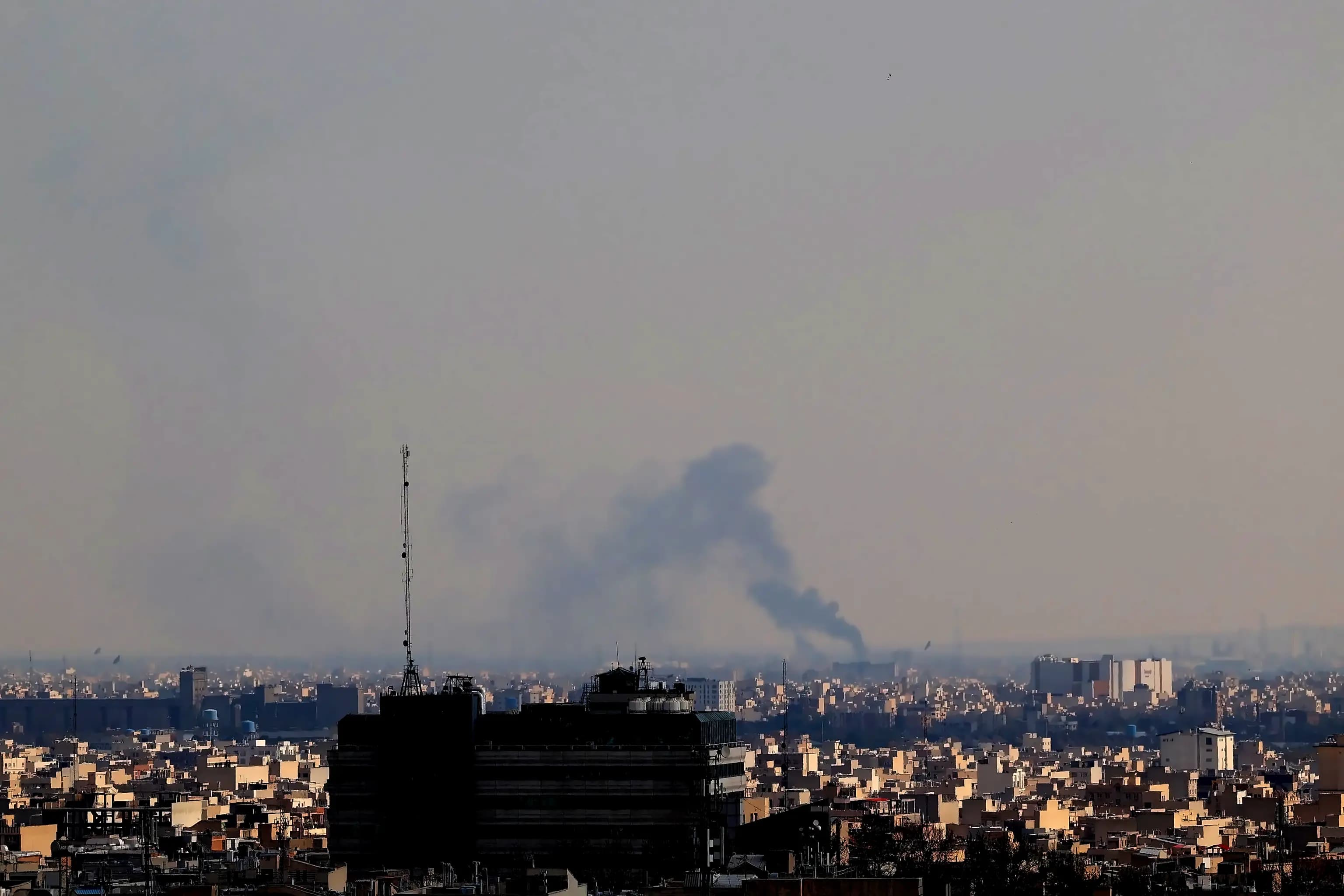
Houthi forces struck the Saudi capital Riyadh on Saturday, marking what appeared to be the first Houthi attack claimed on Riyadh since the current escalation began. According to Reuters, Reuters photographed black smoke rising near the King Khalid International Airport as the Iran-backed group targeted sensitive sites in the Saudi capital. The Saudi-led coalition said its air defences destroyed a missile fired toward Riyadh early on Saturday, while the Iran-backed group separately claimed a strike on an Aramco facility at Yanbu. The Houthi military spokesperson Yahya Saree confirmed the group had targeted 'sensitive' sites in Riyadh and an Aramco oil facility in Yanbu using cruise, ballistic missiles and drones. Saudi Arabia reported that a ballistic missile launched by Yemen's Houthis towards Riyadh was intercepted, with the Saudi-led coalition confirming the Houthis attempted to target civilian infrastructure in Bisha, Taif, Farasan and Yanbu. A drone attack reportedly damaged a major Saudi Aramco pipeline, which could remain out of service for several weeks, raising concerns over Saudi energy infrastructure. Saudi Arabia's East-West oil pipeline is now in focus in the regional conflict, as the pipeline serves as an important route for transporting crude oil across Saudi Arabia, with any disruptions to its operations affecting the movement of oil to export terminals on the Red Sea.
Iran has laid out seven specific conditions to Donald Trump for re-engaging in negotiations aimed at ending the war, with security chief Mohsen Rezaei saying the conditions include ending the war on all fronts, unfreezing Iranian funds and ending the US naval blockade. According to Al Jazeera, Iran has conveyed its conditions for ending the war to the US via Qatar and is waiting for President Trump's response. Rezaei told Al Jazeera that Iran has announced seven conditions for beginning negotiations with Washington, stating that 'Iran's message is clear and unambiguous; if Washington wants to escape the quagmire it has created for itself and avoid getting further entangled in it, it has no choice but to accept Iran's rights and conditions'. In a post on X, Rezaei emphasized that 'It is in Washington's interest to accept these conditions. Trump's threats will not achieve any results. We are prepared for a decisive war'. Discussions with Qatari and Pakistani mediators are ongoing as the delegations work to bring an end to the stalemate which has seen the war drag past the six-month mark, though Iran has not heard any messages in response from the US after it conveyed its conditions for re-entering any negotiations about the Iran war, an Iranian foreign ministry spokesperson said on Iranian state TV.
US President Donald Trump has said a major decision is soon coming on whether to escalate military action against Tehran or to wind up the conflict, with Trump scheduled to address the United Nations General Assembly tomorrow, September 22, where Iran-related tensions are expected to be discussed. According to Axios, 'I have a big decision coming up. Do I want to go in and annihilate them, or do I not? It's a big decision. Anything could happen with me,' Trump stated. Alex Plitsas, a national security analyst at CNN, said on X that Trump's Camp David meeting was convened to review options for a strike in Yemen, cautioning in a follow-up post that nothing had been decided. The latest developments come as the UN's most powerful body called for 'practical cooperation' to prevent the Iran-backed Houthis from acquiring arms, military training, financing and other military-related assistance needed to carry out their attacks. Yemen's foreign minister Afrah al-Zouba said Yemen is not an Iranian bargaining chip and its future must be decided by Yemenis through their own political process, rejecting Iranian support that strengthens Houthi capabilities and uses Yemen's geography to threaten neighboring countries and maritime routes.