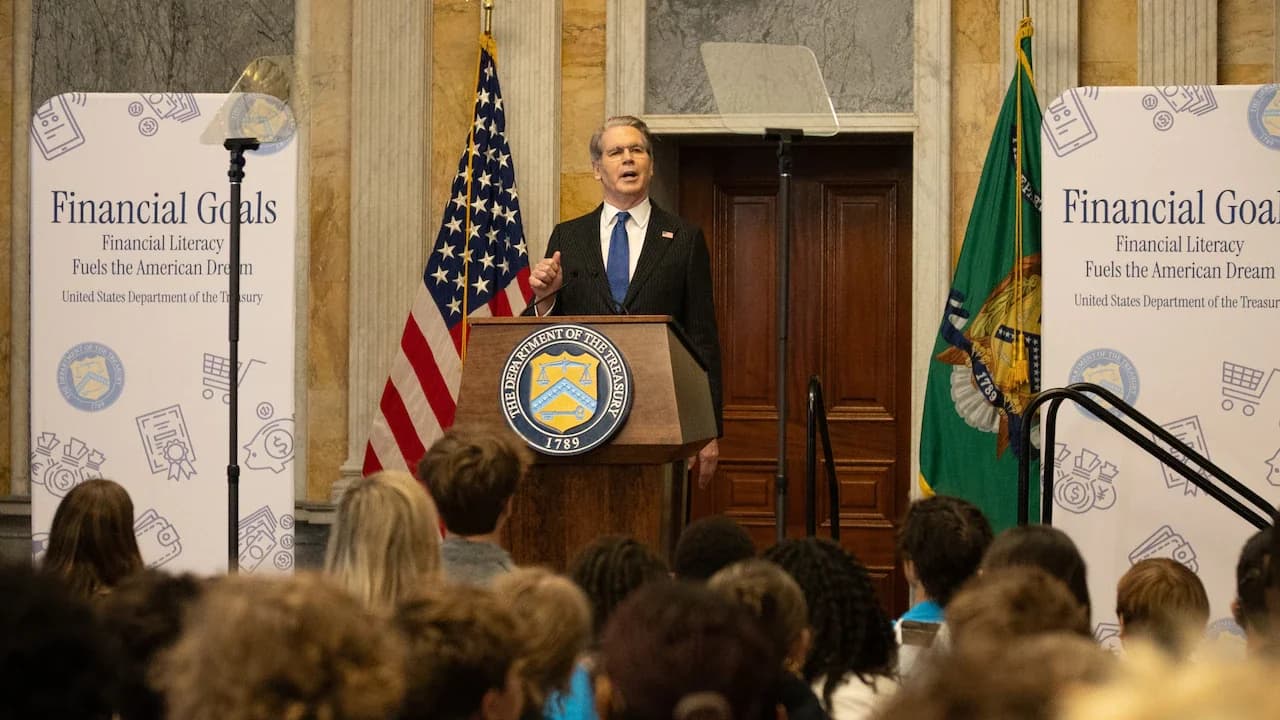
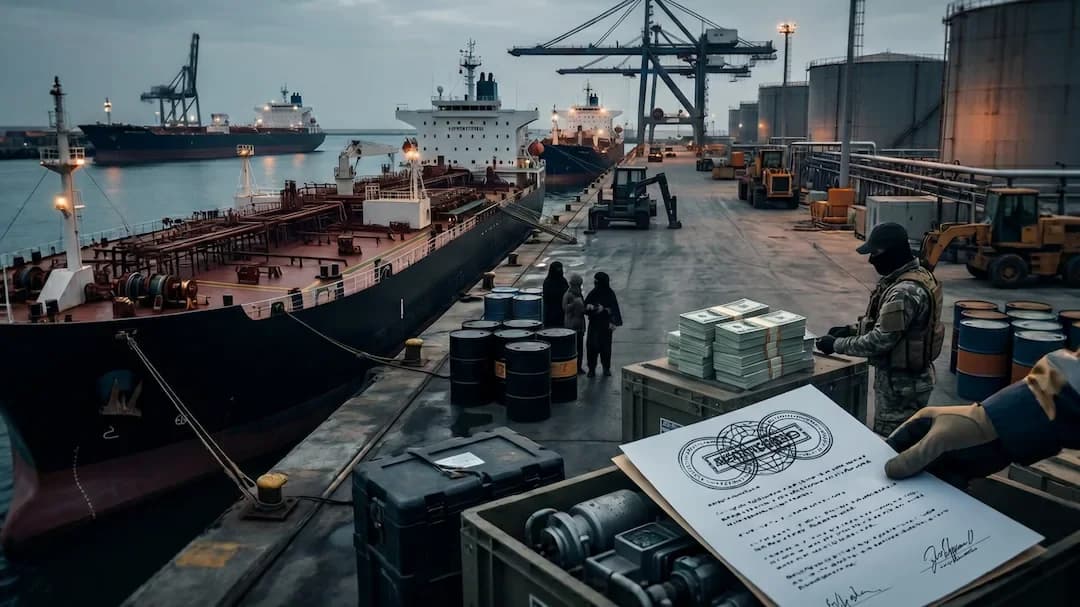
The United States has significantly escalated its economic warfare against Iran, targeting 49 entities as part of 'Operation Economic Outcast'. According to Al Jazeera, the latest action targets 27 companies, six individuals and 22 vessels, with Treasury Secretary Scott Bessent stating the measures are aimed at 'cutting off revenue used by the Iranian regime and targeting those facilitating Iran's oil sales and sanctions evasion'. The sanctions target Iran's remaining shadow fleet, an ageing network of tankers used to transport petroleum and petroleum products to foreign markets, with designations covering shipping operators, maritime management companies and trading firms across Turkiye, China, the United Arab Emirates, the United Kingdom and the Marshall Islands. As per Al Jazeera, the sanctioned vessels include crude oil, petroleum products, liquefied petroleum gas, chemical and bitumen tankers operating under various national flags.
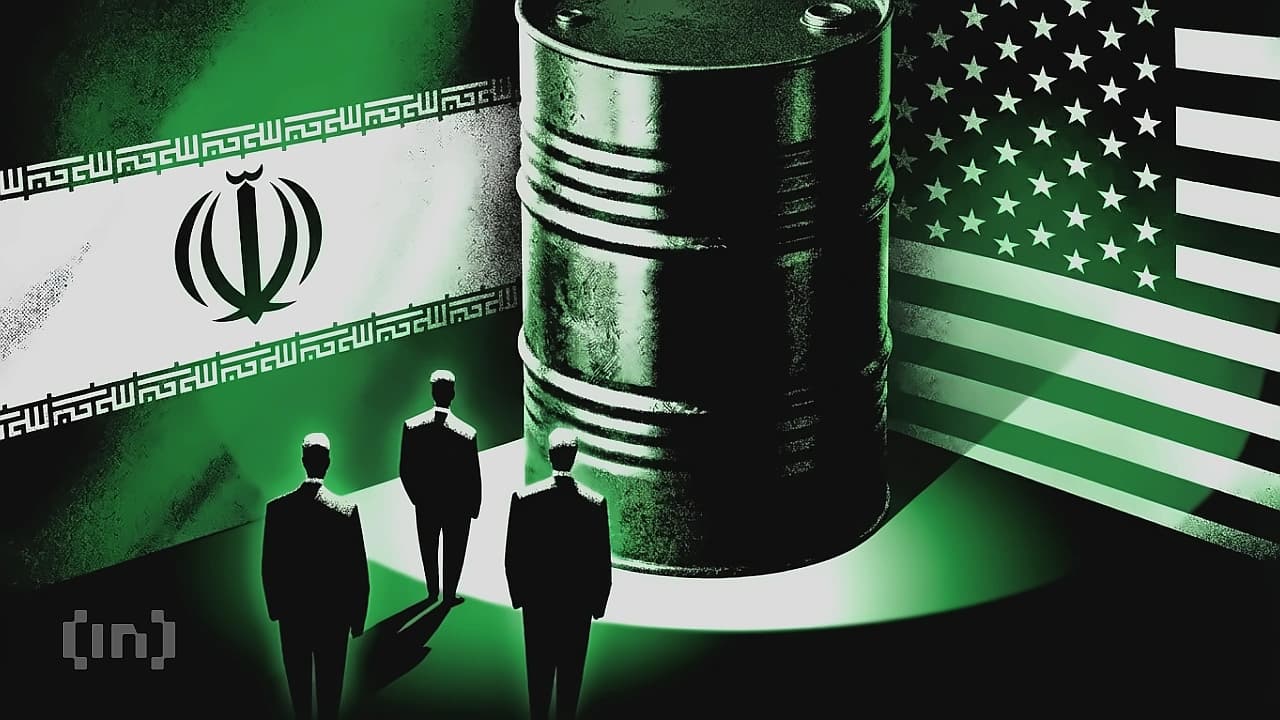
The US Treasury Department has simultaneously sanctioned 17 entities and their associated shadow fleet vessels as part of the same effort to restrict Iranian oil revenues. According to Al Jazeera, Treasury Secretary Scott Bessent stated that the measures represent 'the most significant blow yet to Iran's remaining illicit maritime infrastructure'. A Treasury official told reporters that the operation was aimed at cutting Tehran's funding for the war, missile construction, cyberattacks and the Islamic Revolutionary Guard Corps (IRGC). The official emphasized that 'No enabler of Iranian sanctions evasion is safe from the full force of Treasury's authorities'. The department said the latest action effectively neutralises the vast majority of Iran's remaining shadow fleet network, which Tehran relies on to move billions of dollars' worth of petroleum and petroleum products. Among the vessels identified are the Comoros-flagged tanker PARITOSH, which transported more than 100,000 barrels of Iranian bitumen in 2026, and the Panama-flagged BITU, which transported more than 170,000 barrels of Iranian bitumen this year.
The State Department has announced separate sanctions against 10 entities, six individuals and five vessels involved in the trade of Iranian-origin petroleum or petrochemical products. According to Al Jazeera, State Department spokesman Tommy Pigott said 'The United States is using every diplomatic and economic tool to sever Iran's economic lifelines'. The State Department sanctions were imposed under the same economic pressure campaign as the Treasury's actions, with Pigott noting that the Treasury Department was separately sanctioning 17 entities and vessels belonging to Iran's shadow fleet. The department said the operation had increased sanctions risks for entities continuing to do business with Iran and warned that those facilitating money laundering or sanctions evasion could be cut off from the US financial system.
Iran's oil minister Mohsen Paknejad resigned on Sunday for personal reasons, with President Masoud Pezeshkian accepting the resignation after rejecting several earlier requests by the oil official to step down. According to the Islamic Republic News Agency, Pezeshkian has appointed Deputy Oil Minister and National Iranian Oil Company Managing Director Hamid Bovard as interim minister. Bovard previously headed several NIOC subsidiaries focused on oil and gas production and exploration, inheriting an oil industry under unprecedented pressure from the US blockade. The reshuffle comes as Washington seeks to force a favourable end to its seven-month war with Tehran.
Iran's oil reserves have experienced a dramatic decline since the US Navy reimposed its blockade of Iranian ports in mid-July. As reported by Kpler, a ship-tracking firm, Iran's oil stock decreased from 90 million barrels in mid-July to approximately 29 million barrels by early September. Kpler estimates this remaining stock could be completely depleted by mid-October, with payments potentially trailing into December. A Treasury official confirmed that Iran had about 20 million barrels of crude oil remaining on vessels outside the blockade, while the global oil market consumes about 100 million barrels per day. President Masoud Pezeshkian has indicated that even collecting these payments is becoming increasingly difficult, with Iran's ability to export oil serving as a crucial source of government revenue amid the seven-month-old war between Iran and the United States.