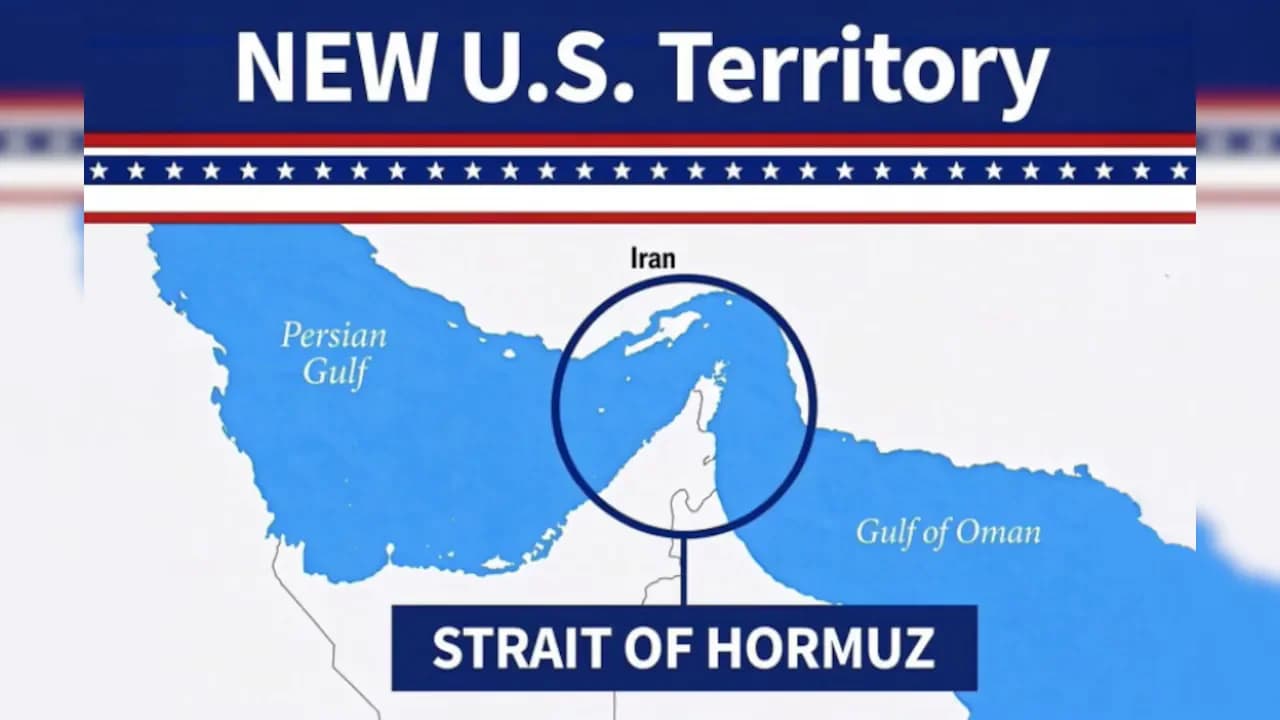
The US military has quietly guided around 70 commercial ships through the Strait of Hormuz over the past three weeks, even as negotiations to end the war with Iran remain stalled. According to Business Standard, US Central Command has helped coordinate these passages, with most vessels turning off their transponders to avoid detection when traveling through the narrow waterway. The US officials declined to specify the types of vessels or routes taken, but indicated that at least one route was not close to the Iranian coastline. Ships passing near Iran without obtaining Iranian approval face the threat of almost-certain attack by Iranian drones or missiles, as confirmed by US officials. Shipping analysts suggest these US-guided crossings appear to follow routes closer to Oman, with the average of three ships per day representing a modest recovery from the pre-war levels of over 100 commercial ships daily.
President Trump announced on Friday that the 'unprecedented Naval Blockade' imposed on the Strait of Hormuz would be lifted, stating that 'ships caught in the Strait due to our amazing and unprecedented Naval Blockade, which will now be lifted, may start the process of heading home!' As per Business Standard, Trump made this announcement on Truth Social while outlining his demands, hinting that he could approve a deal with Iran to extend the ceasefire. The US President indicated he would now meet with advisors in the Situation Room to make a final determination, with 'No money will be exchanged until further notice. Other items, of far less importance, have been agreed to.' Meanwhile, Iranian Foreign Ministry spokesman Esmaeil Baqaei confirmed that messages were still being exchanged between Tehran and Washington, but 'no final understanding has been reached.' Baqaei described the US naval blockade as 'illegal from the start' and said Tehran would wait to see whether Washington actually lifts the restrictions or whether the announcement was 'just publicity.'
The US Central Command has issued a stark warning that it will strike vessels involved in laying mines in self-defence, amid rising tensions in the Strait of Hormuz. According to multiple media reports, CENTCOM published an advisory through the Joint Maritime Information Center, warning that mine-laying activity could trigger direct military action by US forces. This escalation comes after the US has conducted self-defense strikes for the second time in three days against Iranian targets, knocking down four one-way attack drones that Iran launched over the Strait of Hormuz. The military then conducted airstrikes against a drone ground-control station in the port city of Bandar Abbas before Iran could fire a fifth drone. These strikes represent the latest challenge to an increasingly shaky ceasefire, with US officials describing them as necessary to protect troops from threats posed by Iranian forces.
President Trump outlined specific conditions for any Iran deal during his Truth Social post, stating that 'The Hormuz Strait must be immediately open, with no tolls, for unrestricted shipping traffic in both directions. All water mines (bombs), if any, will be terminated. We have removed, through detonation, numerous such mines with our great underwater mine sweepers. Iran will complete the immediate removal and/or detonation of any remaining mines, which will not be many!' He further specified that 'Iran will agree not to develop a nuclear weapon, the reopening of the Strait of Hormuz, the removal of any sea mines, the lifting of the US blockade on Iran and the removal and destruction by the US of Iran's highly enriched uranium.' Trump also warned the Gulf state of Oman, a US ally, not to enter into any agreement with Iran to share control of the Strait of Hormuz or else face an American bombing campaign, stating 'Oman will behave just like everybody else, or we'll have to blow them up.'
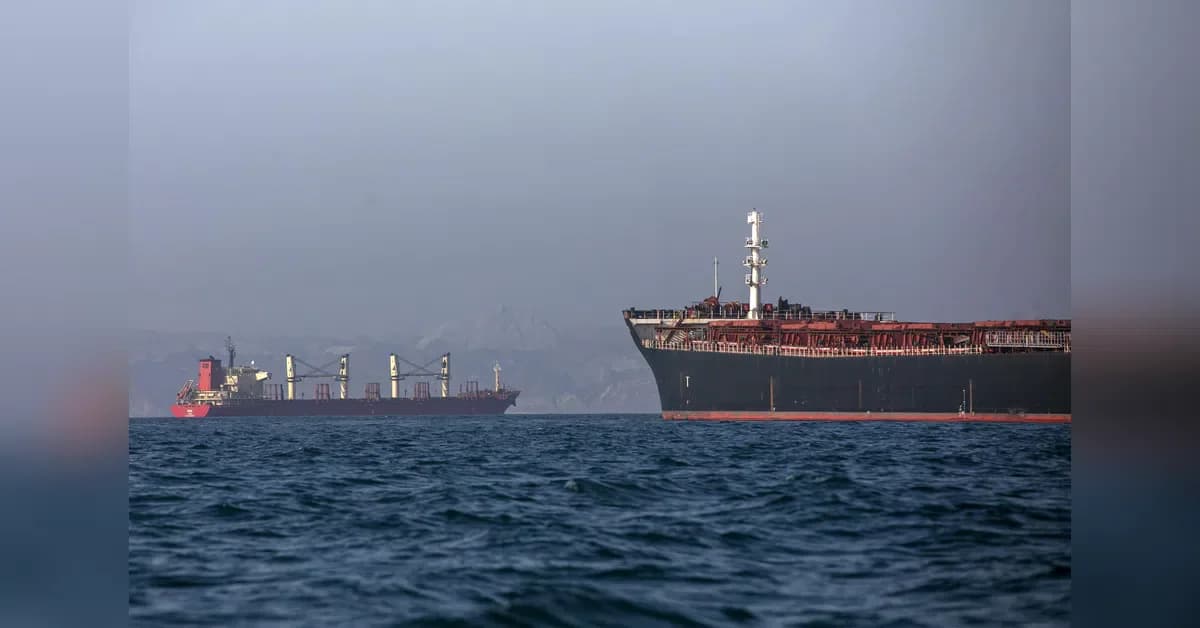
The blockade has created significant economic disruption, with events in the Strait of Hormuz between Iran and Oman having shaken the global economy, as reported by Business Standard. Shipments of oil, natural gas and related supplies like fertiliser have largely been stranded, increasing strain on consumers and food producers worldwide. The US blockade seeks to limit Iran's own shipments and further weaken its access to cash, creating more pain for its long-weakened economy. The economic impact has been substantial, with gas prices rising 50 percent since the war began, reaching a national average of $4.46 per gallon on Wednesday. Oil prices have also been affected, with Brent crude falling 4.6 percent to around $92.25 per barrel and West Texas Intermediate crude falling over 5 percent to around $88.68 per barrel. Iran is seeking $12 billion out of $24 billion frozen abroad, according to the Tasnim news agency, with Qatar serving as a mediator in the discussions.