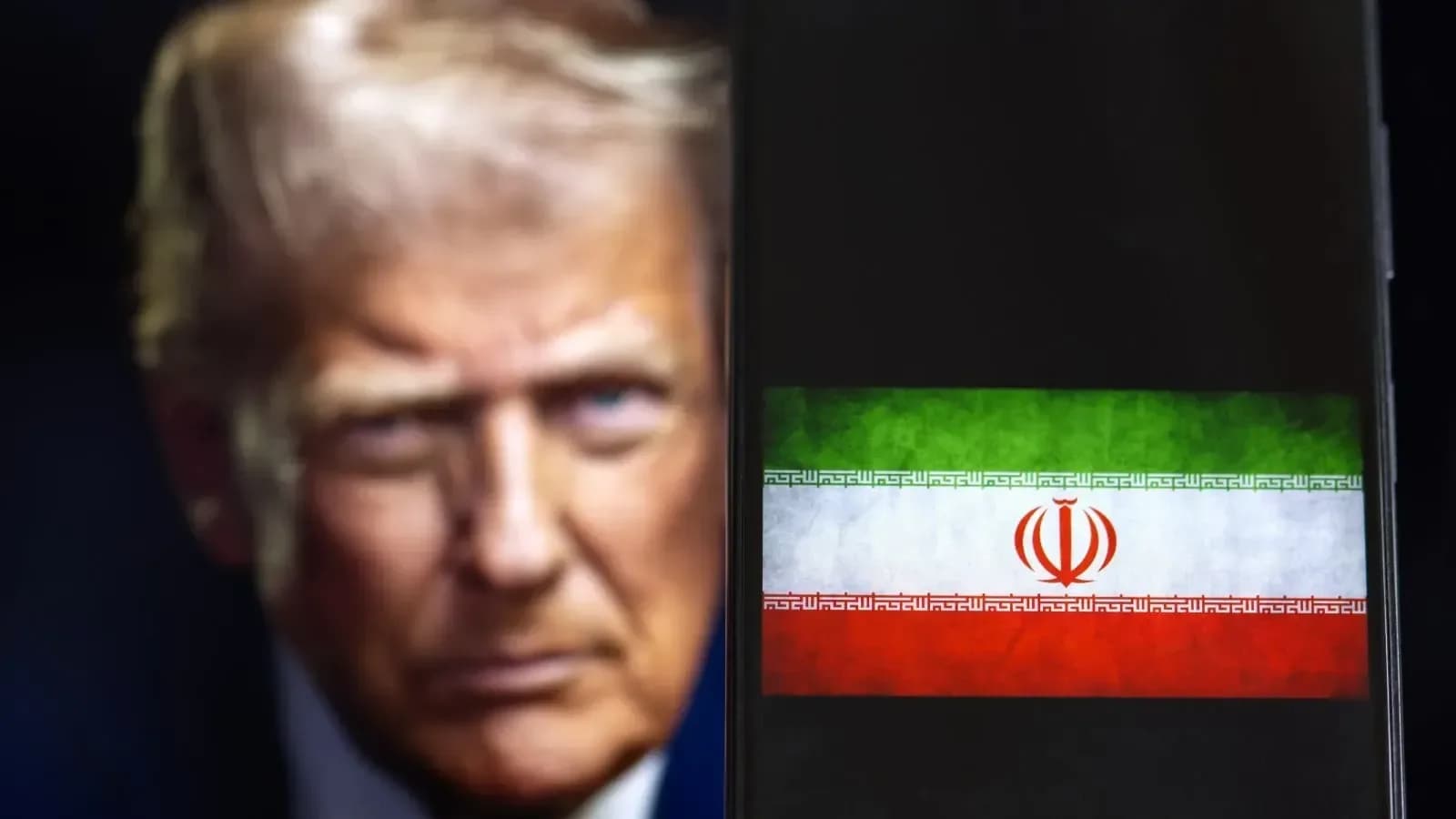
Regional mediators are reportedly close to a proposal that could restart the US-Iran memorandum of understanding, although Tehran continues to deny seeking renewed talks with Washington. Pakistan, Egypt and Qatar are reportedly pushing a plan to revive the US-Iran MoU, according to The Times of Israel. The mediators have developed a proposal aimed at resolving conflicting interpretations of how the MoU applies to the Strait of Hormuz. Iran and Oman have reportedly accepted the mediators' proposal, with a final decision now resting with US President Donald Trump. The White House had delayed its response until after Trump met Israeli Prime Minister Benjamin Netanyahu in Washington. Reaching an agreement would allow the US and Iran to restart negotiations before the MoU's 60-day window expires next month, though neither Washington nor Tehran has publicly confirmed that a new round of talks has been scheduled.
Iran's Deputy Foreign Minister Saeed Gharibabadi announced on Thursday that Tehran had proposed a joint arrangement under which Iran and Oman would oversee shipping transit through the strategic waterway, according to Reuters citing the Iranian Labour News Agency. Under the latest proposal, Iran would manage shipping traffic in one direction through the Strait of Hormuz, while Oman would oversee transit in the opposite direction. This represents a significant development from Iran's earlier rejection of Oman's plan for a 50-50 joint management arrangement, with Tehran insisting that it retain full control over the inbound shipping lane and part of the outbound route. The proposal comes as tanker traffic briefly resumed after last month's interim agreement, allowing Iranian crude exports to return to global markets, though the latest flare-up has once again raised concerns over the security of the vital shipping lane.
US forces reportedly carried out fresh strikes on Iran on Thursday in response to attacks on American forces across the Middle East, according to Reuters. In response, Iran's Islamic Revolutionary Guard Corps (IRGC) threatened further escalation and said it maintains "full control" of the Strait of Hormuz, warning that "a stranger who has come from thousands of kilometres away will not be allowed to interfere." The latest strikes came just hours after US President Donald Trump vowed to hit Iran "very hard" following attacks on a military base in Jordan hosting US troops. The 60-day period established by the interim deal in mid-June is now well into its second half, with major issues including Iran's nuclear programme set aside as mediators try to keep both sides talking. However, it remains unclear what leverage Washington can exert to break Iran's grip on the strait.
Crude oil prices fell on July 30, with Brent dipping below $90 and WTI below $83, as talks between Iran and Oman regarding the Strait of Hormuz progress amidst renewed US strikes on Iran, raising concerns over oil supply and security in the region. Brent crude slipped below $90 a barrel after surging 7.9% in the previous session, while US benchmark WTI crude also slipped below $83 a barrel, giving up part of its 6.5% gain from the previous session. The decline followed reports that talks between Iran and Oman over the management of the Strait of Hormuz are continuing, with market attention remaining firmly focused on the Strait of Hormuz, through which nearly 20% of the world's seaborne oil trade passes. Since the conflict erupted, market attention has remained firmly focused on the Strait of Hormuz, through which nearly 20% of the world's seaborne oil trade passes, with the latest flare-up once again raising concerns over the security of the vital shipping lane and the potential for fresh supply disruptions.
Meanwhile, Yemen's Houthi group is reportedly considering imposing transit fees on commercial vessels sailing through the southern Red Sea, a week after declaring a naval blockade on Saudi Arabia, according to Reuters citing regional sources familiar with the matter. The Bab el-Mandeb Strait in the Red Sea serves as a key export route for Saudi crude diverted from the Strait of Hormuz, making it another critical chokepoint for global energy trade. In another blow to global oil supplies, tankers scheduled to load at the Caspian Pipeline Consortium (CPC) terminal are moving away from the Black Sea after a vessel was hit during loading on Thursday, Reuters reported citing shipping data and industry sources. Despite the ongoing tensions, Iranian and Omani deputy foreign ministers held multiple rounds of negotiations in Tehran on Friday and Saturday, with discussions focusing on ensuring safe shipping through the Strait while respecting sovereign rights of both countries.