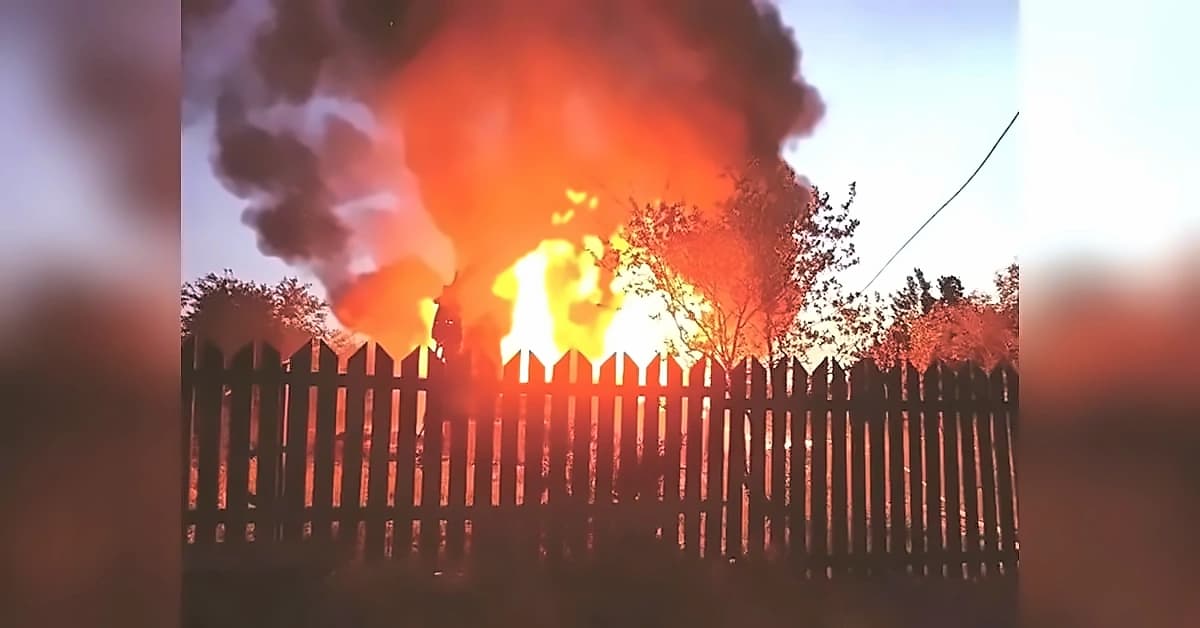
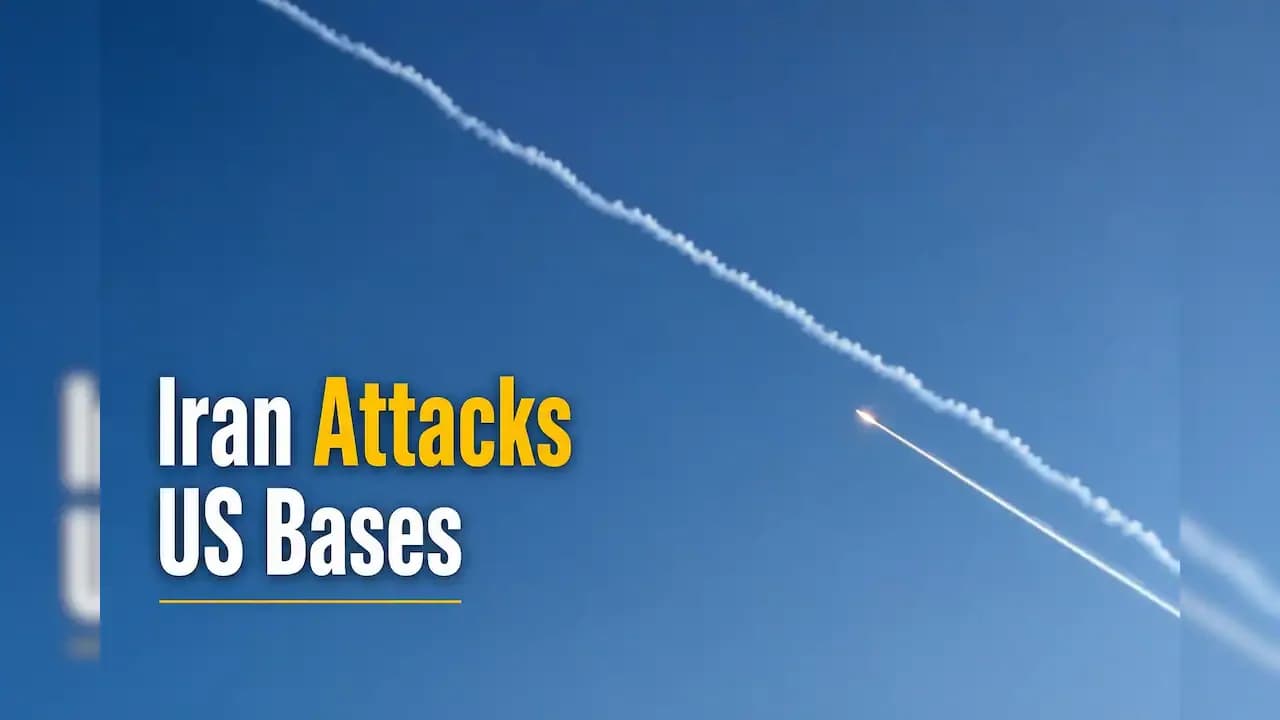
The United States Navy has deployed two aircraft carriers, the USS Abraham Lincoln and the USS George H.W. Bush, near Iran as tensions continue to rise in the region. According to New York Post, maritime trackers spotted both carriers entering the Gulf of Oman on Friday. The deployment comes amid concerns over attacks on commercial shipping in the Strait of Hormuz, the critical waterway responsible for 20% of global oil flow. The US Central Command has deployed more than 20 Navy warships across the Middle East, with CENTCOM stating that the expanded naval presence is aimed at promoting regional security and maintaining stability. The aircraft carriers were spotted within Iran's missile range, raising their risk level, as noted by retired Rear Adm. Mark Montgomery from Foundation for Defending Democracies.
Iran has significantly escalated its retaliatory campaign, expanding strikes to Qatar and Kuwait alongside its previous targets of Bahrain and Kuwait. According to Al Jazeera, Iran's armed forces carried out drone strikes roughly an hour earlier, targeting a Patriot missile air defence system in Kuwait, an early warning satellite antenna site in Qatar, and fuel tanks belonging to the US military in Bahrain. The Iranian military deployed 'a large number of various types of drones' in these attacks, marking a sharp widening of the conflict across the Gulf region. Iran's military vowed that 'Iran's armed forces will not allow the goals and aspirations of the foolish President of the United States to be realised under any circumstances' and would defend the ideals of the Islamic Revolution 'until final victory'.
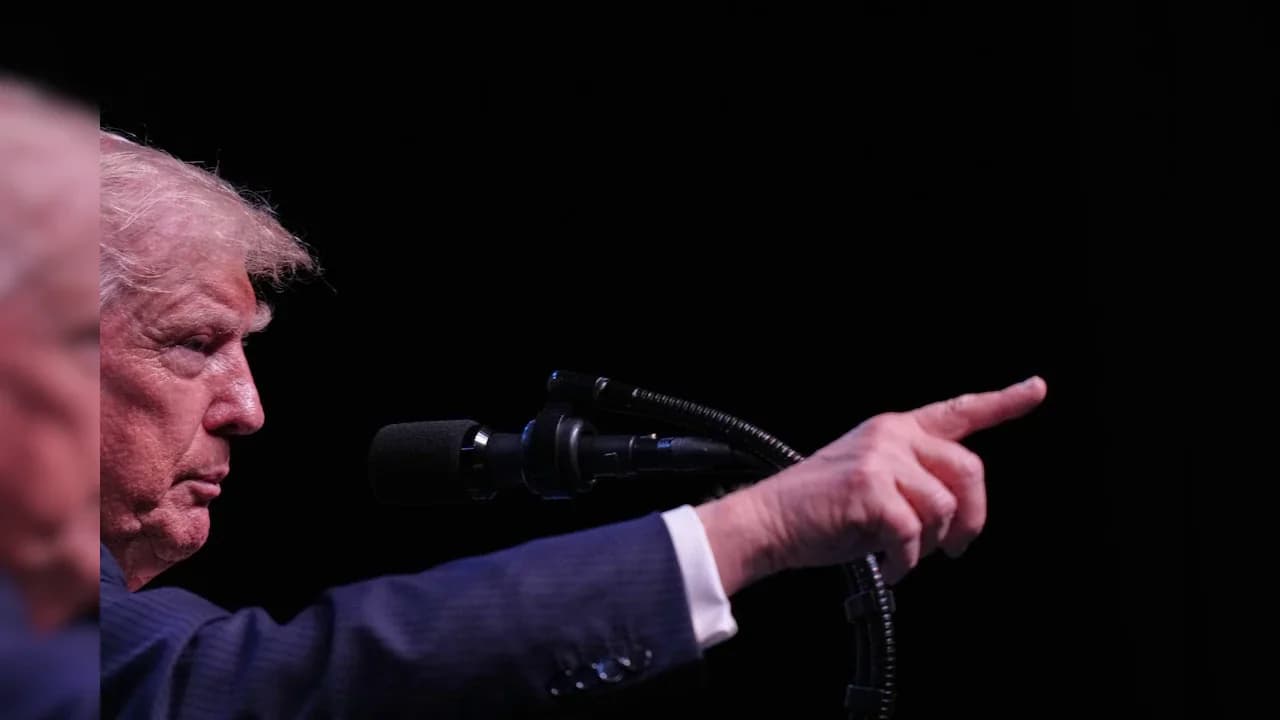
US President Donald Trump warned Iran on Wednesday that the United States was preparing for another night of strikes, just hours after he claimed the ceasefire was over but negotiations could continue. According to audio of his remarks to reporters aboard Air Force One shared by the account Clash Report, Trump stated that 'We're going to be hitting them again tonight. We're going to be hitting them again tonight.' This warning came after Trump had earlier suggested Iran's military options had been exhausted, stating 'We've already won militarily. They have very little, they have very little left.'
The escalating conflict has resulted in significant casualties, with Iran's Ministry of Health reporting that US forces struck five Iranian provinces over the preceding two days, killing 14 people and wounding 78 others. The strikes on Gulf states prompted swift diplomatic responses, with Qatar's Prime Minister Sheikh Mohammed bin Abdulrahman bin Jassim Al Thani condemning the attacks on commercial vessels in the Strait of Hormuz in a phone call with Iranian Foreign Minister Abbas Araghchi. The two officials reviewed developments around the military escalation between the US and Iran over the previous two days. Meanwhile, a Qatari delegation concluded talks in Iran on Friday aimed at easing tensions between Tehran and Washington, with Iranian officials expected to travel to Oman on Saturday for discussions on the Strait of Hormuz.
The latest exchange of strikes has significantly escalated tensions across the Gulf region, with neighbouring countries closely monitoring the security situation and strengthening defensive measures. The renewed conflict has raised concerns over the security of the Strait of Hormuz, one of the world's busiest oil shipping routes, prompting fresh fears of disruption to global energy supplies and financial markets. Both sides have blamed each other for breaking earlier agreements outlined in the MoU, which initiated a 60-day peace negotiation process three weeks ago. The increased naval presence highlights Washington's focus on protecting the Strait of Hormuz, as securing the safety of the key maritime route is critical to keep oil prices under control, which is a politically sensitive issue for Trump ahead of November congressional elections.