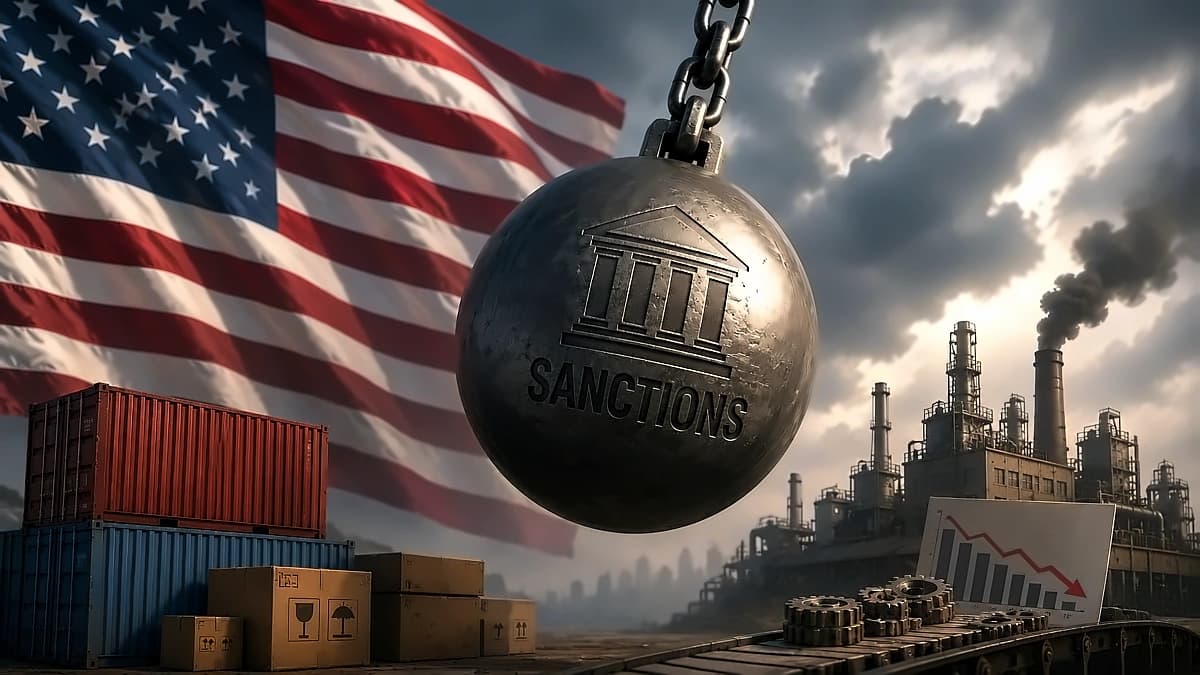
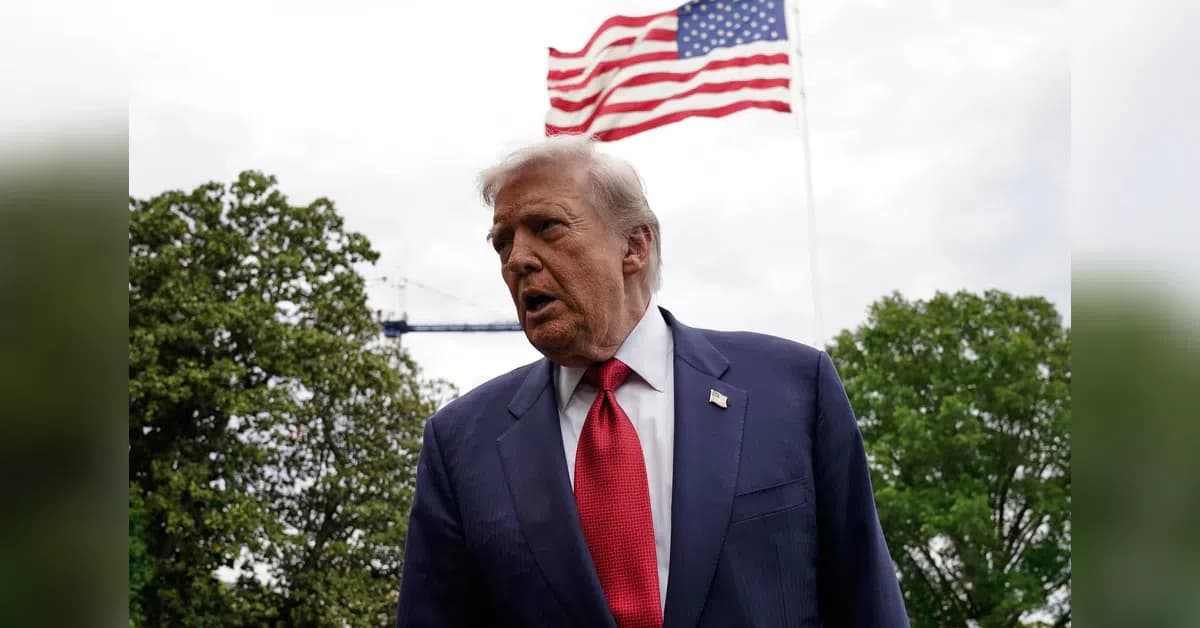
The United States announced sweeping new sanctions targeting Iran's financial and petroleum networks on Tuesday, designating more than 50 companies, individuals and vessels accused of helping Tehran evade sanctions and generate billions of dollars in revenue. According to the US Department of the Treasury's Office of Foreign Assets Control (OFAC), the action is part of the Trump administration's 'Economic Fury' campaign aimed at intensifying pressure on Iran amid the geopolitical standoff due to the conflict in West Asia. The timing signals escalation rather than de-escalation, as Trump rejected Iran's latest peace proposal, telling reporters he was 'not satisfied' with the offer.
The sanctions target a major Iranian foreign currency exchange house, Amin Exchange, along with three Iranian exchange houses and eight associated front companies operating across the United Arab Emirates, Turkiye, Hong Kong and China. As reported by the US Treasury Department, these entities facilitate billions of dollars in foreign currency transactions annually, converting oil revenues primarily in Chinese yuan into usable currencies for the Iranian military and its proxies. The network exploits jurisdictions with inadequate Anti-Money Laundering (AML) controls to move hundreds of millions of dollars in transactions on behalf of sanctioned Iranian banks. US Treasury Secretary Scott Bessent stated that 'Iran's shadow banking system facilitates the illicit transfer of funding for terrorist purposes' and warned that financial institutions must be alert to how the regime manipulates the international financial system.
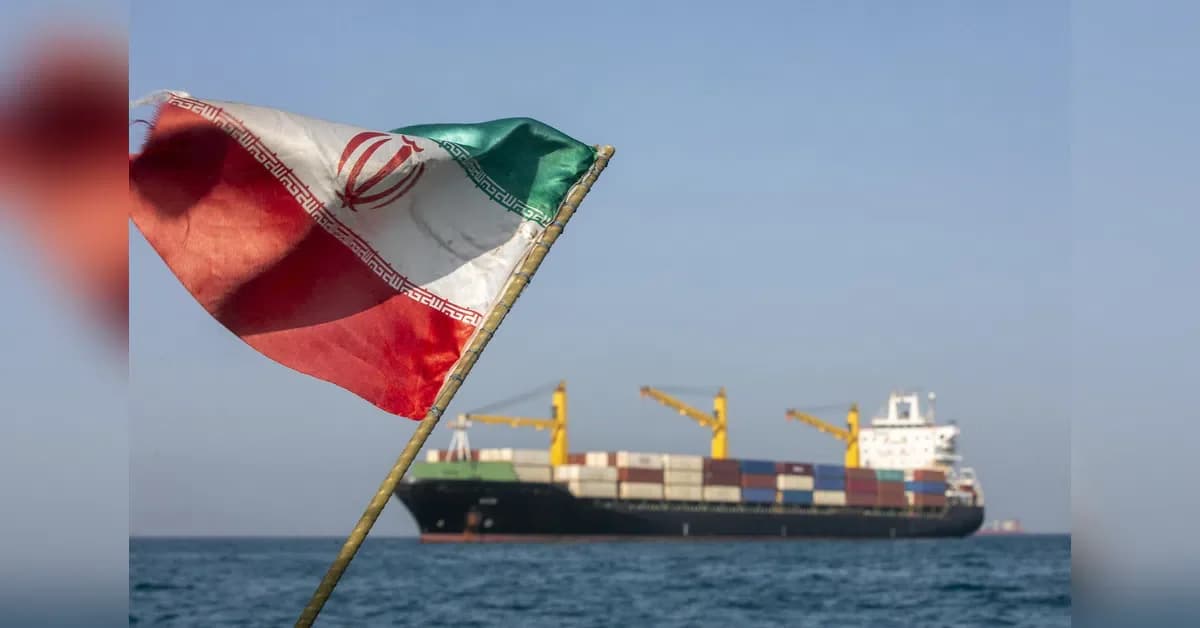
The Treasury Department imposed sanctions on 19 vessels accused of transporting Iranian-origin oil, liquefied petroleum gas (LPG), methanol and petrochemical products to foreign buyers. According to US authorities, the targeted shipments generated hundreds of millions of dollars for the Iranian regime and supported its military and proxy activities. Among the vessels sanctioned were the Barbados-flagged LPG tanker GREAT SAIL, the Panama-flagged tanker SWIFT FALCON, the Hong Kong-flagged LPG tanker MIGHTY NAVIGATOR, and the Panama-flagged crude oil tanker MIDAS. Since February 2025, OFAC has sanctioned more than 1,000 Iran-related persons, vessels, and aircraft in the broader campaign.
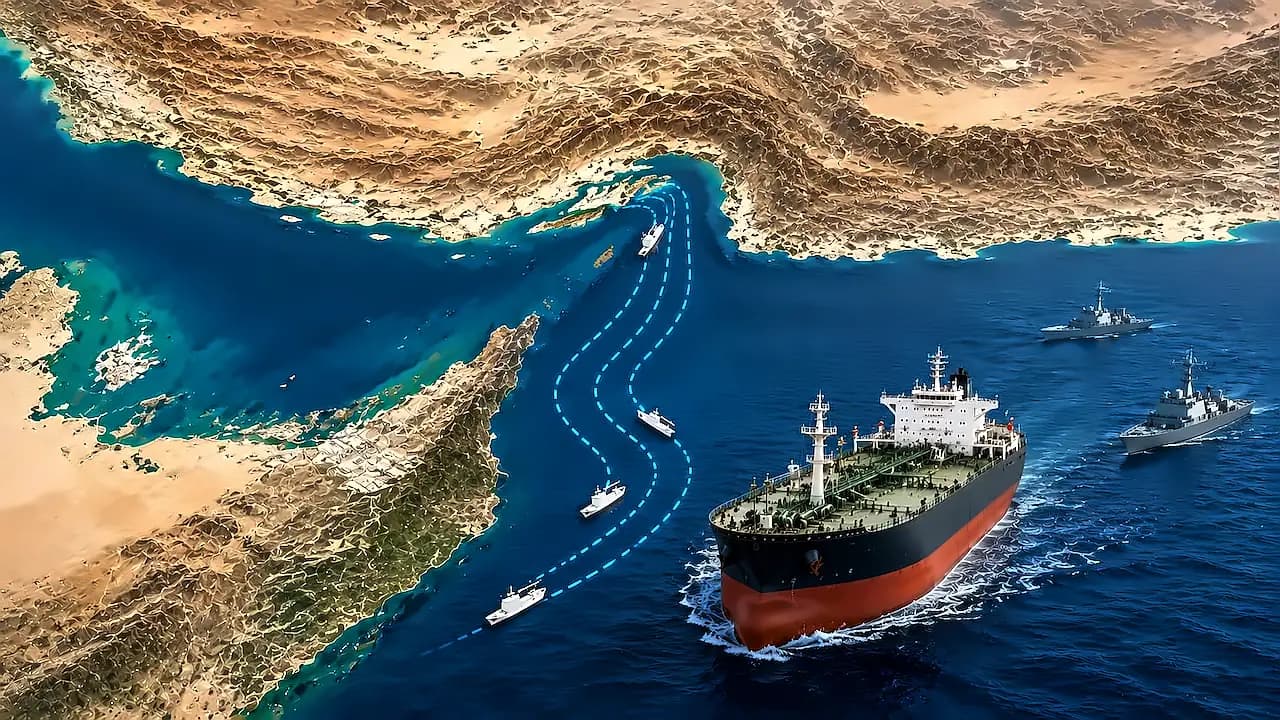
The US government alleged that Iran uses a 'shadow fleet' of foreign-flagged vessels and complex financial networks to circumvent sanctions and continue petroleum exports. The Treasury Department said the latest measures are intended to disrupt Iran's ability to access the international financial system, move funds derived from oil sales and finance activities linked to Iran's Islamic Revolutionary Guard Corps (IRGC). The sanctions create a dual squeeze on Iran's oil sector: physical disruption at the Strait of Hormuz, where only eight ships transited last Thursday as Iran's closure takes effect, and financial strangulation of oil revenues through the currency conversion pipeline. Crude oil prices have already spiked from about $70 a barrel earlier this year to above $120, with the rial plunging to 1.8 million to the dollar. The sanctions target Iran's critical conversion point, as the regime sells roughly 80-90% of its oil exports to China in Chinese yuan, but needs dollars, euros, or other convertible currencies to fund operations.
All property and interests belonging to sanctioned individuals and entities within US jurisdiction are now blocked, and US persons are generally prohibited from engaging in transactions involving them. The Treasury Department emphasized that the campaign aims to systematically dismantle Tehran's shadow banking system and shadow fleet under Economic Fury. The effectiveness of this sanctions round hinges on whether global banks will actually freeze funds in transit, as previous sanctions targeted assets already held in US custody. The Office of Foreign Assets Control is expected to issue guidance in the coming weeks, building on recent alerts about Strait of Hormuz passage risks and Teapot Oil refineries. The critical question is whether the currency conversion bottleneck creates sufficient internal economic pain to shift Tehran's calculus, or simply reinforces their existing evasion infrastructure.