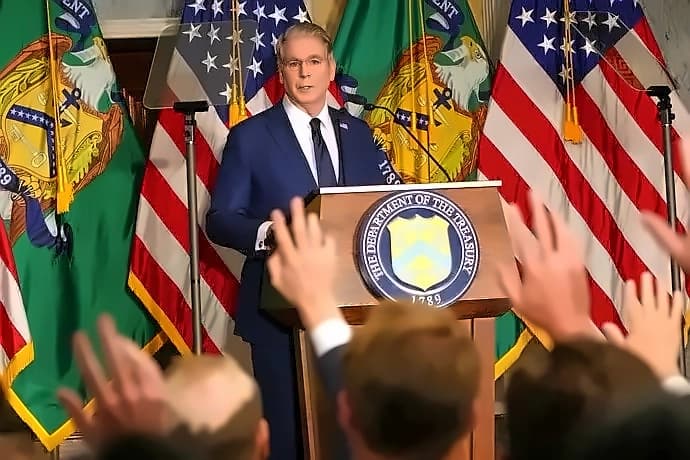
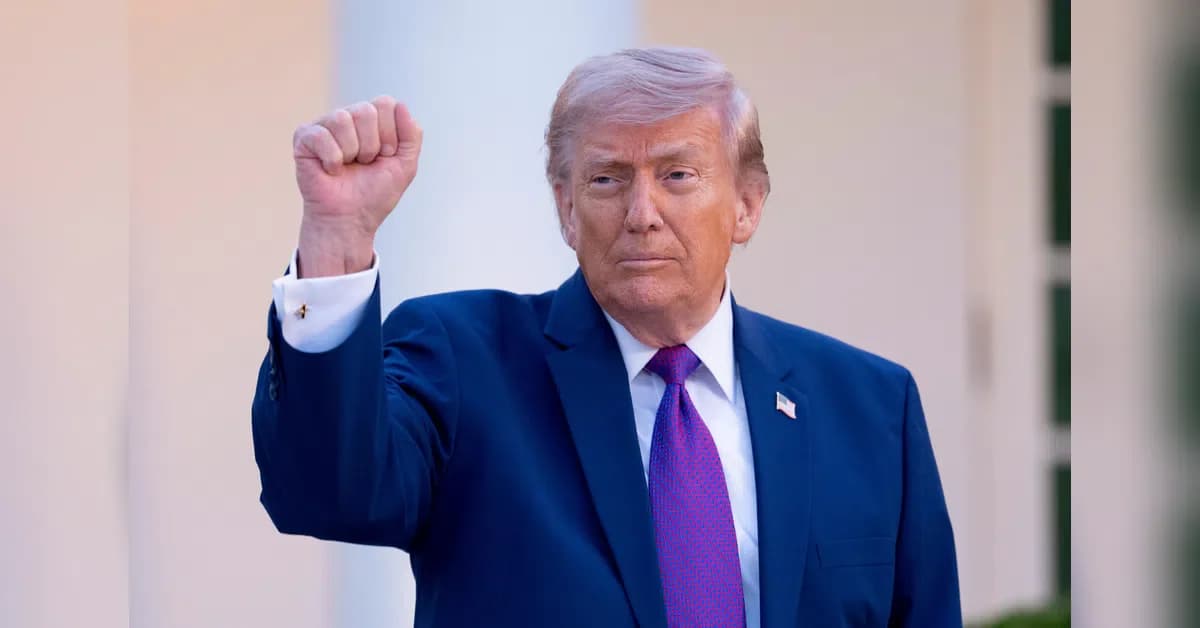
The Trump administration launched its 'Economic Fury' campaign more than a month ago to hobble Iran's economy through sanctions, as reported by Business Standard. Treasury Secretary Scott Bessent exhorted allies earlier this week to join the US in its economic pressure campaign, which the administration rolled out shortly after entering into a ceasefire that halted its military campaign against Iran, dubbed 'Epic Fury'. The new campaign appeared to be an update of 'Maximum Pressure', the tag line dating from Trump's first term that described his approach of suffocating the Iranian economy. The campaign that started April 16 promised to leverage 'the full range of available tools and authorities' to choke off Iran, but so far the actions have largely resembled previous strategies with the same limited effectiveness. According to Fox News Digital, the escalating pressure campaign marks one of the most aggressive US efforts in years to economically isolate Iran.
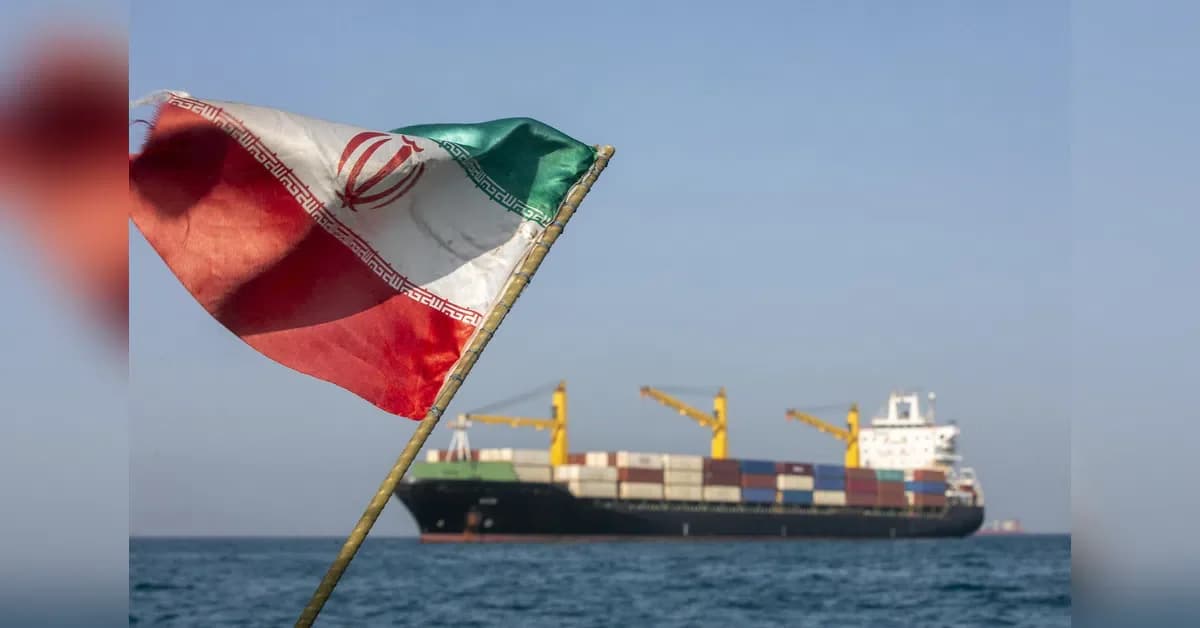
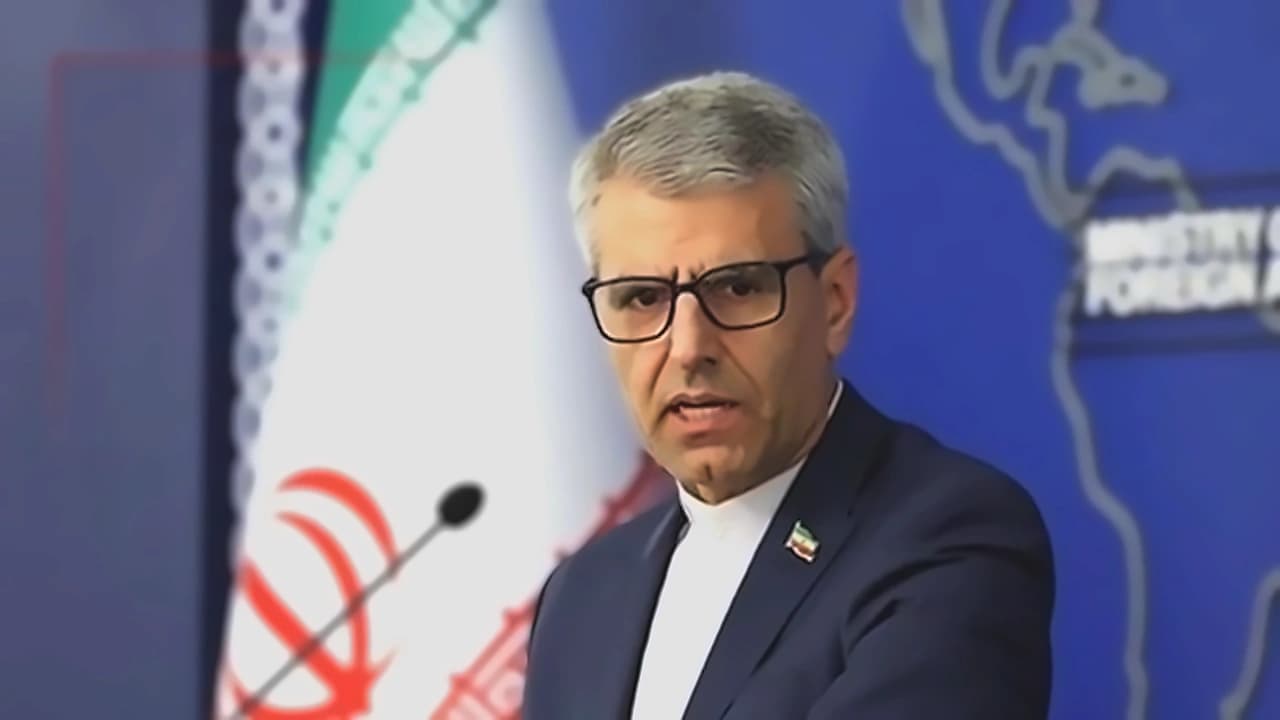
Iran has submitted its latest proposal to mediators to negotiate an end to the US war, according to a senior Iranian official who spoke to Drop Site News. The Iranian framework outlines a proposal where following an initial agreement to officially end the war and an announcement of an end to the US naval blockade on Iranian ports, Iran would temporarily reopen the Strait of Hormuz and waive transit fees. "This arrangement will remain in place until the new governance regime for Hormuz, which Iran will announce soon, is finalized," the Iranian official stated. The proposal has been agreed upon by all consulted parties, including the direct mediating countries and other regional actors, with the official noting "This framework is considered practically implementable." However, the Iranian position mandates that "the full lifting of sanctions to be a reasonable outcome in exchange for a successful conclusion to the nuclear negotiations" and demands immediate release of Iran's frozen assets for reconstruction. The talks have been divided into two separate tracks, with one focused on concluding an agreement declaring the end of the war, and the second related to the dispute over the Iranian nuclear program.
According to reports from Business Standard, the total number of sanctions against Iran imposed in the last eight years has reached nearly 2,000. The US effort has targeted everything from oil companies and shipping firms to currency exchanges and intermediaries across China and the Middle East. However, Jeremy Paner, a partner at Hughes Hubbard & Reed who tracks designations on Iran's oil and petrochemical sectors, noted that 'there really hasn't been any significant shift in the targeting priorities'. The authorities and geographies being targeted remain the same as previous campaigns. Despite facing an extensive bombing campaign alongside Israel and an ongoing US Navy blockade, all measures have only underscored Iran's ability to weather US pressure, especially given continued oil sales to China. According to Fox News Digital, Treasury Secretary Scott Bessent said the 'Economic Fury' campaign has already disrupted tens of billions of dollars in revenue' that would otherwise support terrorism, while arguing Iran's inflation has doubled and its currency has sharply depreciated under the current maximum pressure campaign.
According to Fox News Digital, Brett Erickson, a managing principal at Obsidian Risk Advisors, noted that 'There's not really a lot of incentive for them to capitulate when they know that the shackles come off in a couple weeks'. The administration's appetite for sanctioning China, which has long been the single largest buyer of Iranian oil, has been limited, with the US sanctioning Chinese entities linked to the Iranian oil trade in recent weeks, including one of China's largest private oil refiners and exchanges that helped convert oil sales made with Chinese yuan into other legal tender. Chris Kennedy, economic statecraft lead at Bloomberg Economics, described the situation as 'spaghetti at the wall at this point', noting that the US is constrained by the China relationship and hopes that economic pressure will force a capitulation. After meeting Chinese leader Xi Jinping, Trump suggested he was weighing whether to ease sanctions on Chinese oil companies buying from Iran, later saying he would only relax sanctions after a deal. Miad Maleki argues that 'We've never had the level of leverage that we have today with Iran in the history of our conflict since 1979' due to the convergence of sanctions, naval blockade and aggressive secondary enforcement, while Danny Citrinowicz warns that 'the blockade won't force Iran to capitulate' as the country has been under sanctions since 1979 and knows how to make adjustments.
Despite facing a steadily growing arsenal of sanctions dating back to 2018, when President Donald Trump backed out of a nuclear deal forged during the Obama era, Iran has broadly held out against US demands, as reported by Business Standard. The administration's challenge with Iran is one that's bedeviled successive administrations: squeezing Iran's economy enough to force change while avoiding excessive harm to the global economy and American consumers' pocketbooks. Richard Nephew, a former State Department official who served as the deputy envoy for Iran and a coordinator for sanctions policy, stated that 'We've just reached the limit of what we can achieve with sanctions and economic pressure'. The resilience of Iran, despite the range of levies against it, echoes the persistence shown by other heavily sanctioned US geopolitical foes, including Russia and North Korea, with these countries ending up exporting weapons and munitions to each other in the face of US measures. According to Drop Site News, Iranian analysts linked to the IRGC who spoke to Drop Site stated that "In the event of a renewed war, Iran is preparing to launch a wide-ranging offensive that would not stick to a limited timeframe, and would also escalate to involve targeting regional infrastructure critical to the global economy, as well as U.S. bases and naval assets within range of the Iranian coast." The Bab al-Mandab strait near Yemen, which has so far remained off limits during the current war, would also likely be targeted in a new round—adding another level of strain to the global economy.