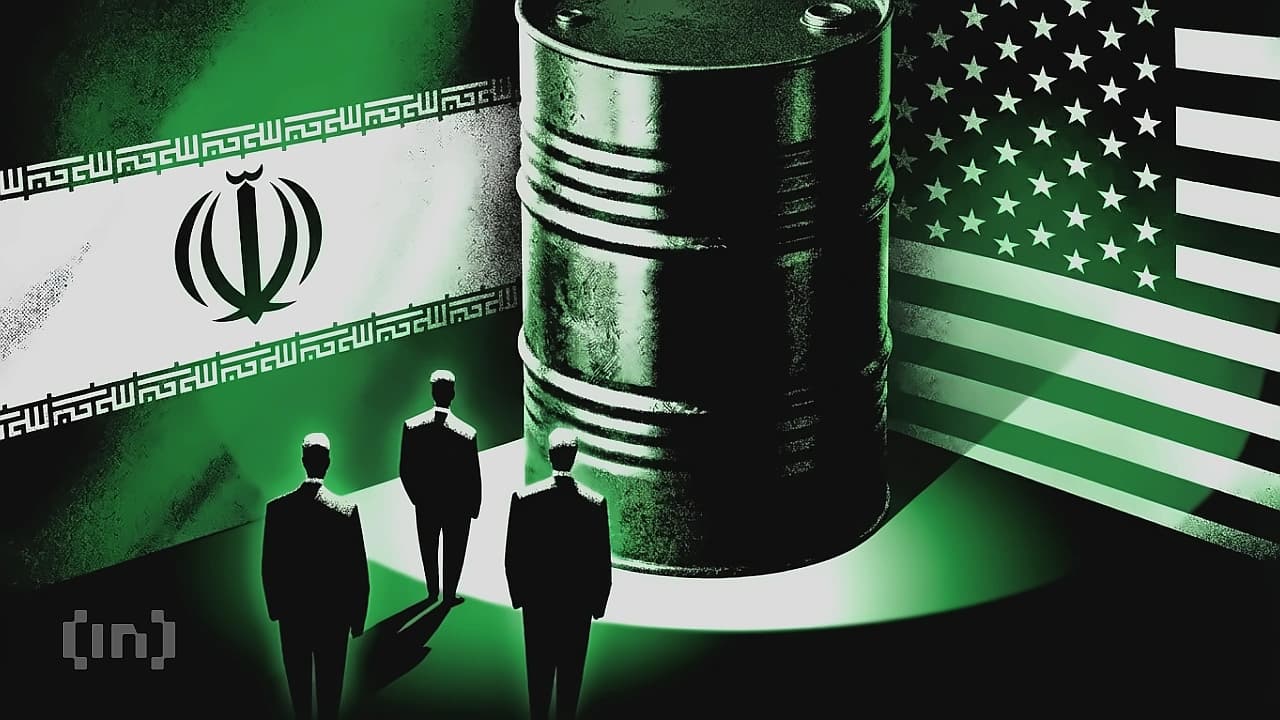
Iran has significantly escalated its threats against the US and its allies, with the new head of Iran's top security body warning Sunday that Tehran will see any country's support for sanctions as an 'act of war'. According to Business Standard, Iran's Foreign Ministry spokesperson Esmail Baghaei warned that Tehran would respond harshly to expanded US sanctions, including measures against countries it sees as cooperating with Washington. Baghaei stated 'Any escalation of this situation will undoubtedly bring about consequences,' adding 'Our hands are not tied.' This represents a dramatic escalation in Iran's response to the ongoing economic pressure, as the country has maintained its grip on the Strait of Hormuz despite US military efforts.
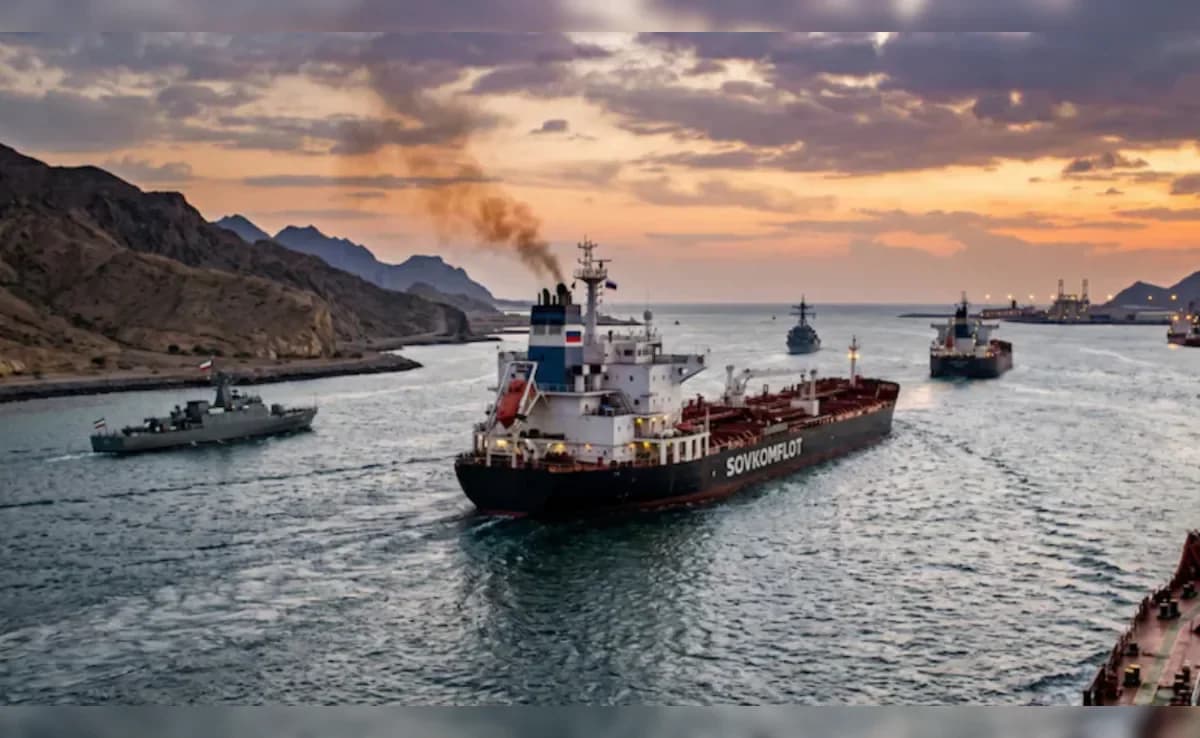
Iran has significantly escalated its enforcement of Strait of Hormuz rules by blacklisting 45 tankers for allegedly violating its protocols and warning that vessels conducting ship-to-ship transfers with them could face action. According to The Times of India, the Persian Gulf Strait Authority (PGSA) announced in an X post late Sunday that these vessels could be fined, detained and have their cargoes confiscated. The blacklist includes very large crude carriers, liquefied natural gas and liquefied petroleum gas tankers, and clean product vessels, with some owned by major regional shipping companies including UAE's ADNOC Logistics and Shipping (ADNOC L&S), ADNOC subsidiary Navig8 Tankers, and Saudi Arabia's national shipping carrier Bahri. The list also includes vessels owned by Klaveness Ship Management, Stolt Tankers and South Korea's Sinokor, as reported by Reuters.
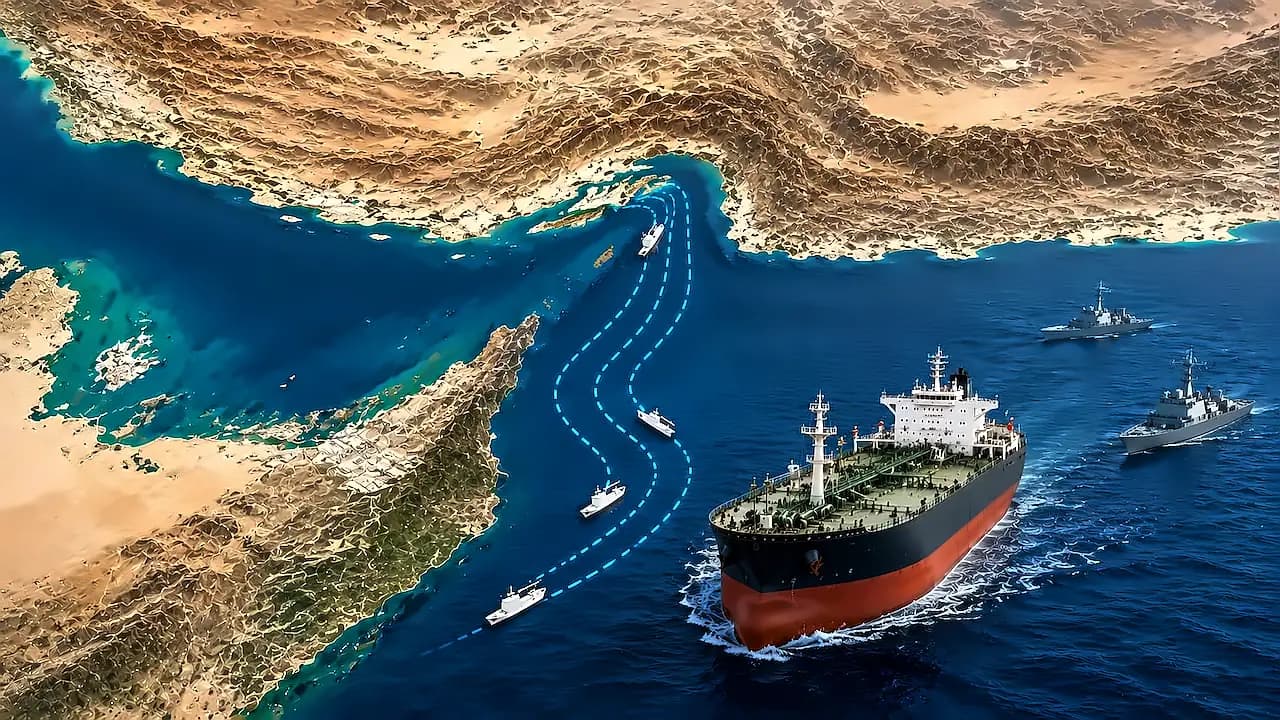
Iran's parliament has taken a significant step in escalating its economic pressure on shipping through the Strait of Hormuz, with the National Security and Foreign Policy Commission approving Article 3 of its 'Strategic Action Plan for Security and Development of the Strait of Hormuz' during a Sunday session. According to the state-run Islamic Republic News Agency (IRNA), the commission finalised this provision amid ongoing economic hostilities between Washington and Tehran. Under Article 3, vessels belonging to countries permitted to use the strait will be required to pay fees for services provided by Iran, covering maritime, environmental, fuel supply in special conditions, insurance, safety, and other services provided in the Strait of Hormuz. Commission spokesperson Hassan Ghashghavi confirmed that the charges would be collected in Iranian rials or 'any other currency deemed appropriate by the Islamic Republic of Iran'.
Iran has escalated its retaliatory measures against US economic pressure, with Supreme National Security Council Secretary Mohsen Rezaei threatening to halt all oil exports from the Gulf if economic warfare continues. As reported by Reuters, Rezaei stated that 'If the economic war continues, not a single drop of oil will be exported, neither through the Strait of Hormuz nor from anywhere in the Persian Gulf.' He warned that Iran will regard any country's participation in or support for America's economic war against the Iranian people as an act of war. This threat comes as Treasury Secretary Scott Bessent announced the US is entering 'the endgame' of its confrontation with Iran, describing the upcoming economic measures as 'the single greatest financial offensive ever marshaled against an adversary.'
The enforcement measures take effect immediately, as reported by The Times of India. Effective immediately, any vessel cooperating with listed vessels (via STS, transshipment, etc.) will be added to the list, PGSA stated in its official announcement. The authority has urged cargo owners shipping to or from the Persian Gulf to review its Non-Compliant Vessels (NCV) list before chartering vessels to avoid potential issues. Cargo owners must review the list at http://pgsa.ir/non-compliant-vessels-list/ before making chartering decisions. The blacklist includes specific vessels with IMO numbers ranging from 7802598 to 9920758, as detailed in the latest PGSA announcement.
US forces have significantly escalated their naval presence in the region, with US Central Command (CENTCOM) reporting that US forces have redirected 70 commercial vessels, disabled 3 and boarded 2 since enforcing a naval blockade against Iran. According to CENTCOM, 'A U.S. Sailor monitors flight operations aboard USS John Finn (DDG 113) as the guided-missile destroyer sails in the Arabian Sea and enforces the U.S. blockade against Iran. As of Aug. 23, U.S. forces have redirected 70 commercial vessels, disabled 3 and boarded 2 to ensure compliance.' This military escalation comes as Treasury Secretary Scott Bessent pledged to 'sever every economic lifeline that sustains the tyrannical regime until Tehran stands alone.' The US has not dislodged Iran's grip on the Strait of Hormuz, through which a fifth of the world's traded oil passed before the war started nearly six months ago.