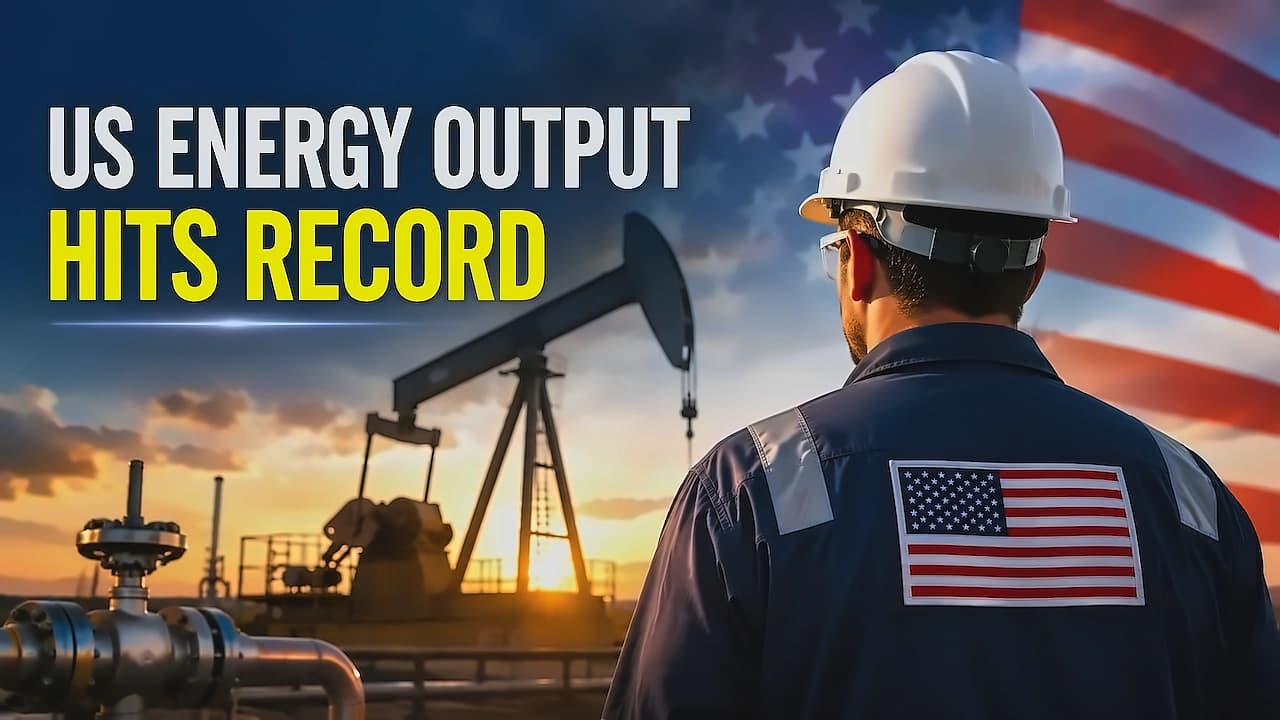
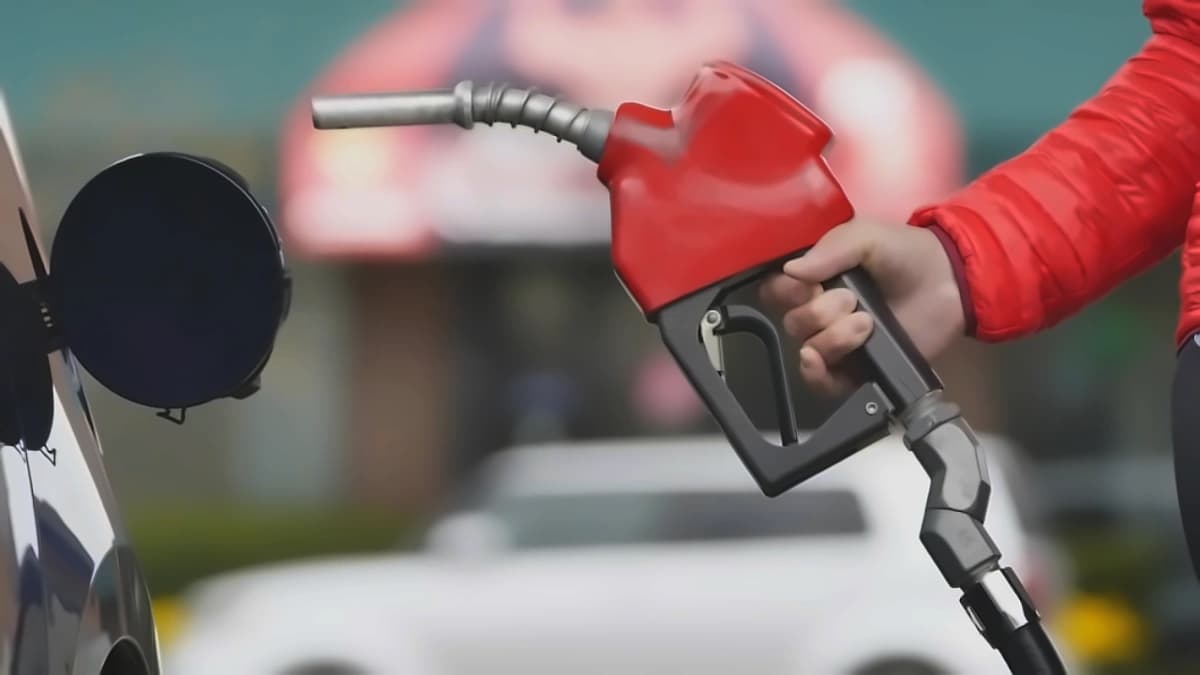
The US oil industry has achieved a significant milestone with production reaching near-record levels despite a dramatic decline in drilling activity. According to reports from NDTV Profit, the industry has successfully increased production and exports without adding more rigs, demonstrating the effectiveness of years of investment in technology and efficiency improvements. Companies have focused on drilling longer wells, improving technology, and cutting costs over an extended period, investments that didn't attract much attention during calm oil market conditions but proved crucial when supply disruptions occurred through the Strait of Hormuz. The war in Iran is currently driving oil prices higher and with them, US gasoline prices which are nearly $1/gallon more nationwide than a year ago, according to AAA.
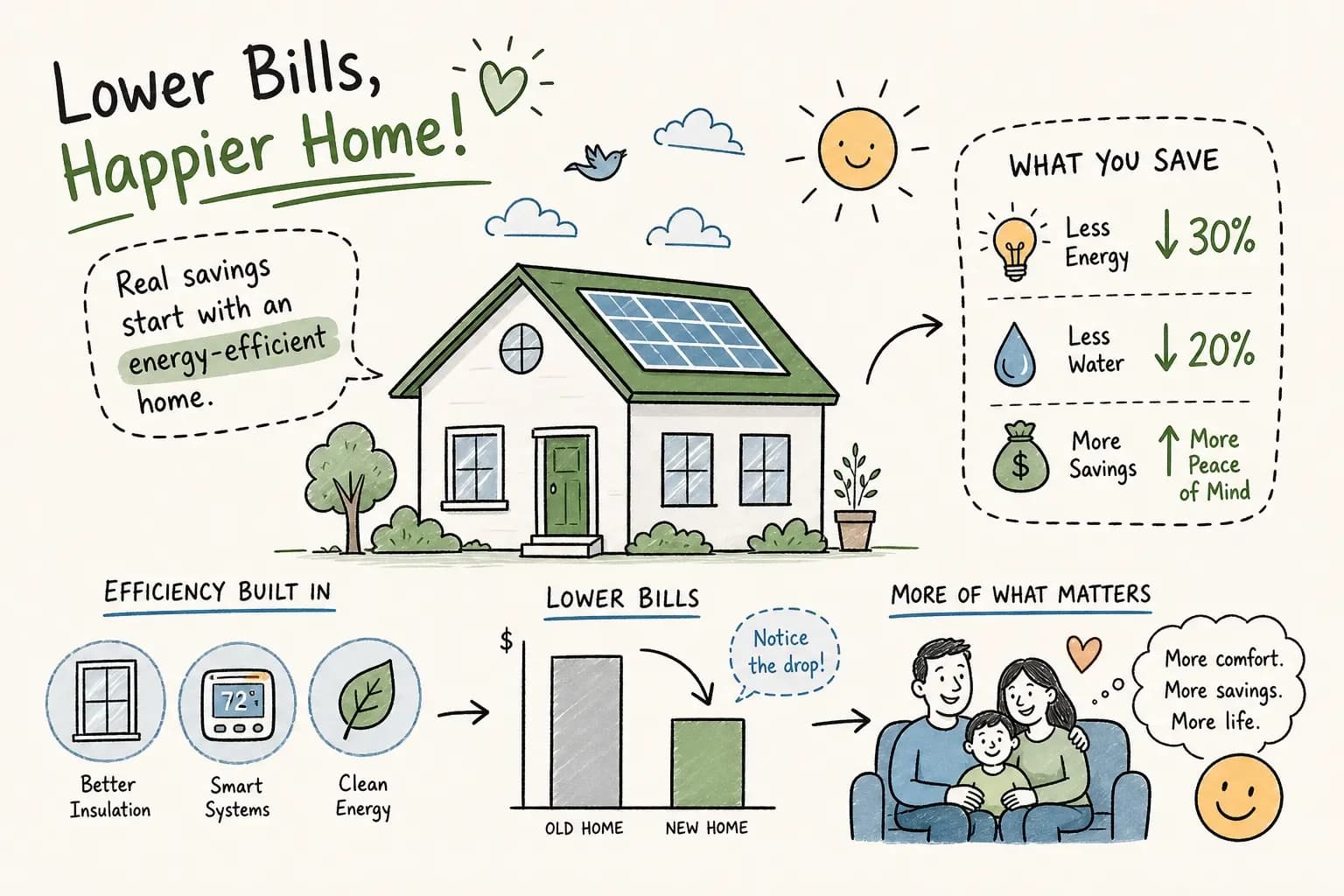
Energy affordability has emerged as a dominant issue in the upcoming November midterm elections, with candidates prioritizing consumer affordability over environmental concerns. According to S&P Global Market Intelligence, US residential electricity prices rose 7% in 2025 versus 2024, with ratepayers in 46 states experiencing year-over-year increases and those in 12 states and Washington, DC, seeing double-digit annual rate hikes. Hawaii paid the most per kWh at 43.91 cents in the first quarter of 2026, followed by California at 36.15 cents and New York at 32.63 cents, with the national average at 18.70 cents. Candidates are embracing a more pragmatic energy stance, with growing support for natural gas, nuclear, and an 'all-of-the-above' energy mix as voters push back against higher utility bills. In Alaska, where gas averaged $4.27 a gallon on July 28 — making it the fourth most expensive state — the incumbent Republican wants an increase in domestic oil production to counter the price impacts of war.
The Federal Reserve continues to navigate complex policy considerations under the leadership of Kevin Warsh as Fed Chair. As reported by NDTV Profit, President Trump initially sought lower interest rates but markets are now discussing possible rate hikes, yet Trump continues backing Warsh. This suggests the relationship may extend beyond rate cuts to include reshaping how the Federal Reserve works and how it interacts with the government. The situation reflects the ongoing tension between political pressure for monetary policy changes and the Fed's independent decision-making process. Recent economic data may influence Fed policy, with July unemployment dropping to 4.1% and wage gains remaining modest at 3.2% year-over-year - the smallest increase since May 2021.
The US labor market presents a complex picture of productivity gains offsetting employment challenges. According to Glassdoor's Zhao, the softness in July's employment report will give the Fed pause when considering rate hikes. Sal Guatieri from BMO Capital Markets notes that "there are just fewer people available to hire," with companies becoming more productive using technology to reduce labor requirements. The ADP reported that job changers received 7% raises - the biggest year-over-year gain in almost a year - while workers staying at current jobs saw only 4.4% increases. Researchers from the Federal Reserve Bank of San Francisco found that "the pipeline into employment is shrinking such that the recovery is no longer reaching workers at the margins," even in an economic expansion over six years since the last recession.