The United States has achieved a remarkable transformation in energy efficiency over the past 50 years, according to analysis from Investing.com India. For approximately 25 years following World War II, the US economy's crude oil consumption nearly tripled, driven by a booming post-war economy and strong population growth. However, starting in the mid-1970s, consumption per dollar of GDP declined rapidly, indicating significant gains in energy efficiency. The analysis shows this improvement as a structural shift rather than cyclical fluctuations, representing a fundamental change in how the US economy operates.
The 1973 Arab oil embargo served as a catalyst for energy efficiency improvements, as reported by Investing.com India. During this period, gas prices quadrupled and long gas lines forced policymakers and consumers to treat oil as a strategic vulnerability rather than a cheap commodity. In response, Washington enacted the Energy Policy and Conservation Act of 1975, which mandated US energy efficiency standards for appliances and introduced fuel-economy standards. The legislation also encouraged a shift from oil and natural gas to coal for power generation, with utilities largely stopping construction of oil-fired plants.
According to the analysis, structural changes in the US economy have contributed significantly to energy efficiency gains. The economy shifted from heavy manufacturing to services and technology sectors, which require far less energy per dollar of output. As reported by Investing.com India, this transition represents a fundamental change in how the US economy operates and has been a key driver of the observed improvements in energy efficiency metrics.
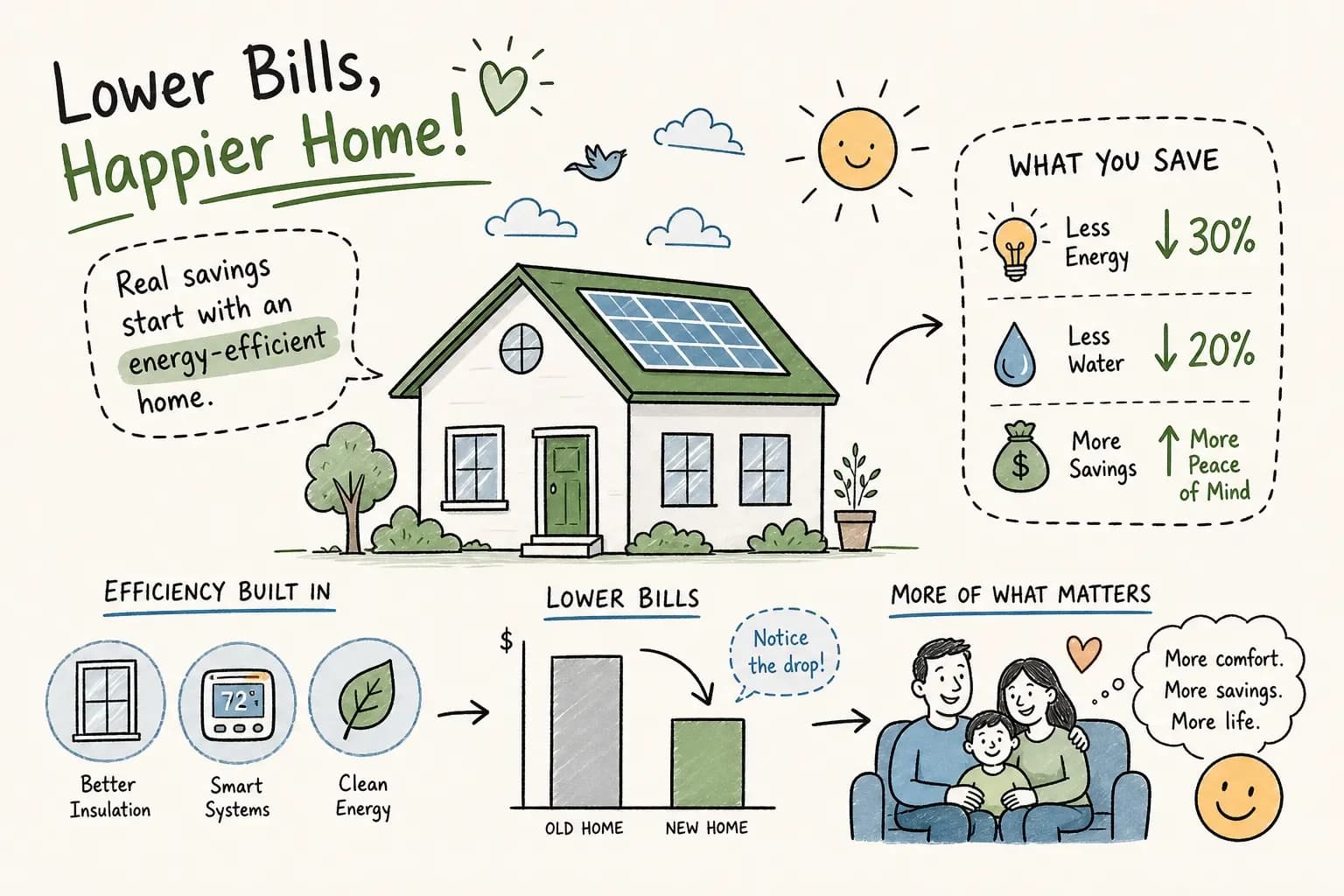
Ironically, AI data centers are now driving a renewed focus on efficiency, this time with natural gas and renewables, as noted in the analysis. The report suggests that while productivity gains and urbanization have contributed to historical efficiency improvements, the current focus on energy-intensive AI infrastructure is creating new opportunities for efficiency optimization in the energy sector. Additionally, technological advancements in desalination have shown dramatic improvements, with reverse osmosis requiring roughly 20 kWh per cubic meter in the 1970s but running at about 2-3 kWh today - close to an order-of-magnitude improvement. Recent developments show that ENERGY STAR certified new homes save roughly 20% on total utility bills compared to standard code-built construction, translating to $200 to $400 per year in savings for a typical home.