Major oil companies are positioned for exceptional second-quarter earnings, with Exxon Mobil expected to book $15.9 billion in adjusted net income and Chevron's earnings projected at nearly $10 billion, according to analyst estimates compiled by LSEG and cited by Reuters. As reported by Investing.com India, these earnings represent more than threefold increases compared to first-quarter profits for both supermajors. The April-June earnings are set to be the highest since 2022, following the previous period when oil prices hit $100 per barrel and above due to the Russian invasion of Ukraine. The earnings surge stems from the worst supply disruption in oil market history, which crippled oil flows from the Middle East and triggered crude price spikes to four-year highs.
President Trump has intensified pressure on the oil industry, demanding gasoline prices fall to $2.25-$2.50 per gallon 'immediately' after the war with Iran sent international crude oil prices spiking. Since late June, Trump has ordered the Justice Department to investigate possible price gouging at the pump, with the DOJ urging state law enforcers to join in investigating alleged illegal price-gouging practices. The oil supermajors face backlash from the pro-oil President, who demands U.S. gasoline prices drop to around $2.50 per gallon despite industry claims that pump prices lag crude price declines. Chevron's CFO Eimear Bonner told CNBC that there is a lag between oil price reductions and when they show up at the pump, expecting prices to decline as conditions normalize.
The earnings surge stems from the worst supply disruption in oil market history, which crippled oil flows from the Middle East and triggered crude price spikes to four-year highs. According to Investing.com India, the closure of the Strait of Hormuz sent crude prices soaring and boosted refining margins, with the disruption depleting oil inventories including in the United States. The supply chain disruption has created extreme volatility in oil markets, directly benefiting major oil companies through higher crude prices and improved refining economics. The disruption was triggered by the war with Iran, which sent international crude oil prices spiking and created the conditions for Big Oil's windfall profits.
Oil companies are defending their pricing practices, with industry representatives arguing that gasoline prices reflect low fuel inventories, refining economics, and supply chain lags rather than profiteering. The American Fuel & Petrochemical Manufacturers stated that refineries do not set the price of finished gasoline, and crude oil is just one of many inputs — albeit the biggest one — contributing to overall fuel costs. An oil company executive told Reuters that "being the boogeyman is not particularly fun," but emphasized that "we need to educate officials that this is a cyclical industry and that no one cares when the market turns and we are taking all the risk." The industry faces ongoing accusations of price-gouging from the Trump Administration, which has ordered Justice Department investigations into alleged illegal practices.
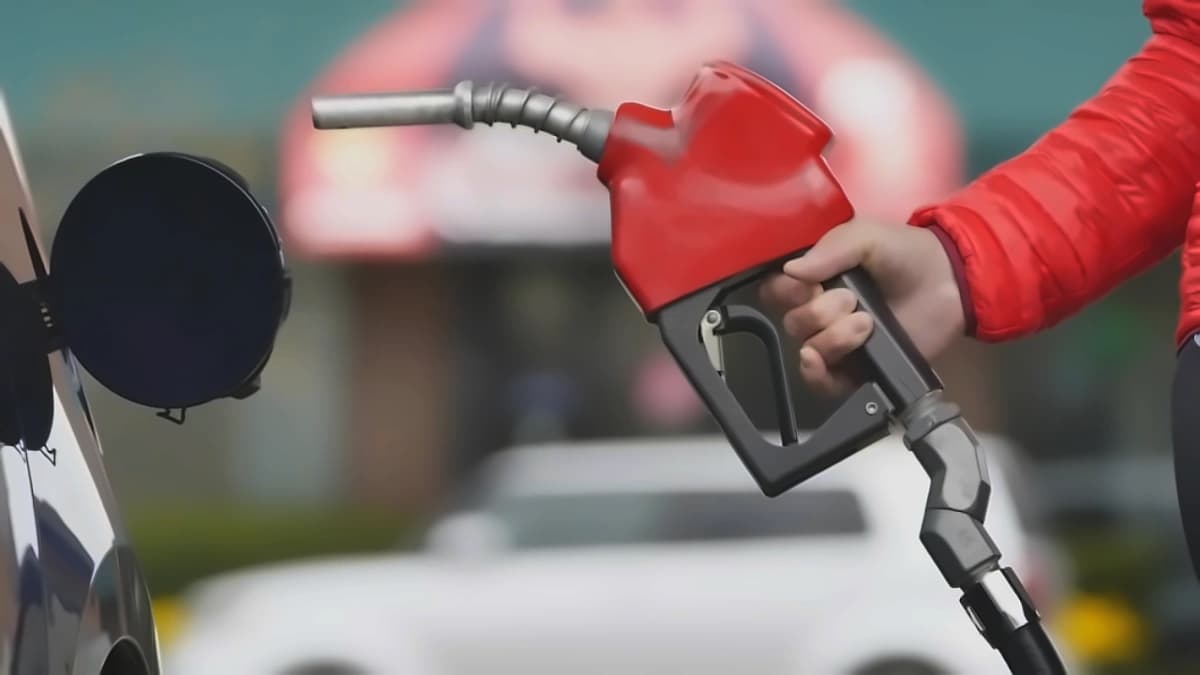
According to GasBuddy's Patrick De Haan, the U.S. national average of $3.755 per gallon was $0.81 below the May peak but still $0.65 per gallon higher than last year. Gasoline prices have declined from the four-year high of $4.50 per gallon in early May, with further drops expected as Strait of Hormuz traffic begins to normalize. The industry faces a critical test as the decline is not fast enough according to President Trump and his Administration, who face a critical test of their policies in the midterm elections in November. The oil companies expect prices to come down as conditions normalize, but acknowledge it will take time for the lag between crude prices and finished gasoline prices to materialize.