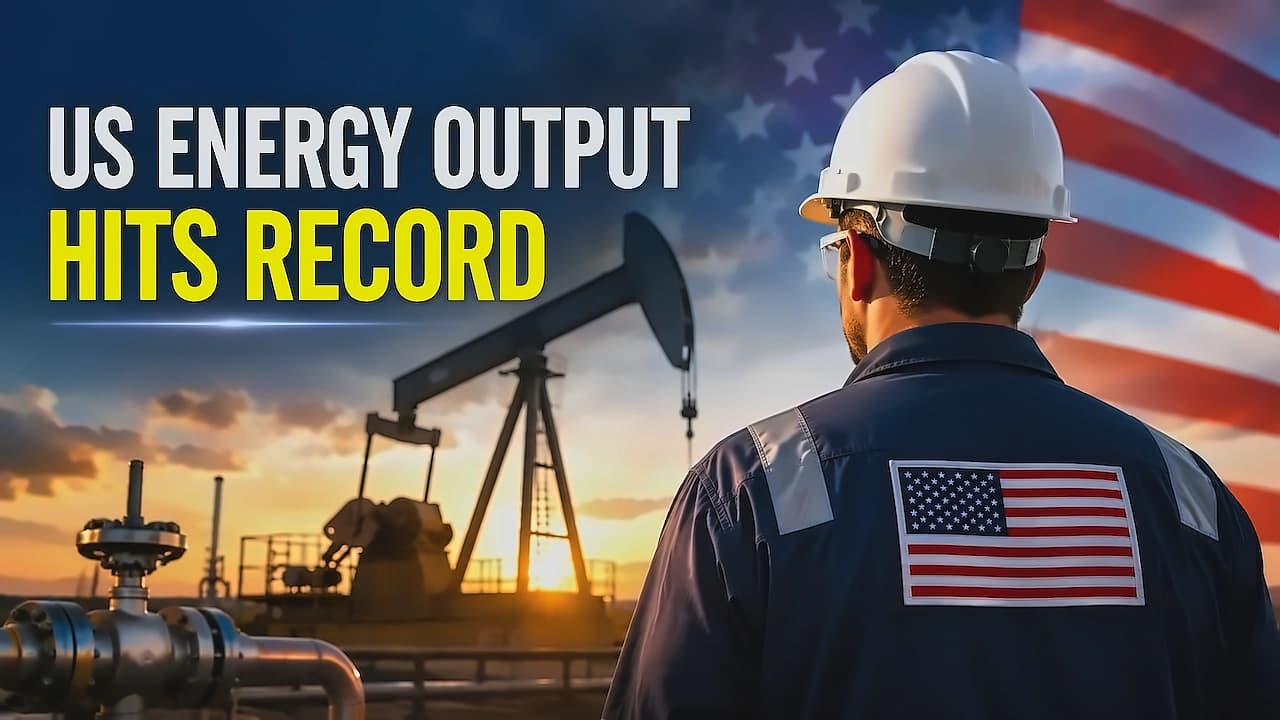
US Energy Secretary Chris Wright announced that domestic oil and gas production has reached an all-time high, positioning the United States as the world's largest producer of both oil and natural gas. According to reports from NDTV Profit, Wright made these remarks in a post on X on August 23, specifically crediting American oil and gas workers for driving production to these unprecedented levels. The Energy Secretary emphasized that this achievement represents a significant milestone in American energy independence and production capacity.
Wright attributed the production surge to President Donald Trump's energy agenda, stating that the administration is building on this success by unleashing American energy, strengthening the economy, and lowering costs. As reported by NDTV Profit, Wright has been a prominent advocate of expanding US oil and gas production as part of the administration's broader energy strategy. The comments come as the Trump administration continues to emphasize higher domestic energy output and greater energy security, with Wright highlighting the role of American workers in achieving these record production levels.
The record production announcement coincides with US Treasury Secretary Scott Bessent's announcement of specific timelines for countries dealing with Iran, with countries given deadlines to wind down Iranian links or face unilateral penalties. According to NDTV Profit, Bessent described the campaign as an 'economic D-Day' aimed at increasing pressure on Tehran, with the US Office of Foreign Assets Control sanctioning approximately 60 entities linked to Iran's oil-revenue networks and vessels associated with its so-called shadow fleet. Bessent has now expanded these sanctions to cut off Iran's economic lifeline, telling countries they would need to sever their business ties or risk being cut out of the dollar-based financial system, though he declined to identify specific countries or reveal when penalties would take effect.
Oil prices have steadied after a sharp drop in the previous session, with Brent crude trading near $92.16 per barrel and West Texas Intermediate at $85.02 as of Tuesday. As reported by The Economic Times, both contracts fell more than 2% on Monday with US crude oil falling to a one-week low on profit taking after prices rallied over the previous two weeks. Crude prices have climbed more than 50% this year as the US-Iran conflict, now in its sixth month, has disrupted shipments of crude and refined products from the Middle East. Shipping risks remain elevated with the UK Navy reporting an oil tanker was struck and disabled by a projectile northeast of Ash Shishah, Oman, in the Hormuz region, highlighting Iran's continued ability to disrupt shipping despite economic pressure.