According to an ICICI Bank research report, Democrats are expected to make significant gains in the November 2026 midterm elections, with market estimates putting the probability of Democrats winning both chambers at 63% and the likelihood of winning only the House at 29%. The latest projections show even stronger Democratic prospects, with Democrats having a 90.9% chance of winning the House of Representatives and 64% probability of securing the Senate. Republicans currently control both the House of Representatives and the Senate, but this Democratic shift could influence immigration policy during the remainder of President Trump's term. However, even if Democrats take control of both chambers, the President will retain the power to veto legislation, making major policy changes difficult. A Democratic victory could increase congressional scrutiny of immigration rules and put some Republican-backed proposals on hold, though major policy changes remain unlikely. The ICICI note puts the odds of a Democratic sweep at 63% and of Democrats winning only the House at 29%, with House Democratic leader Hakeem Jeffries' "first 100 hours" plan including rolling back tariffs and clawing back Congress's trade powers from January 2027.
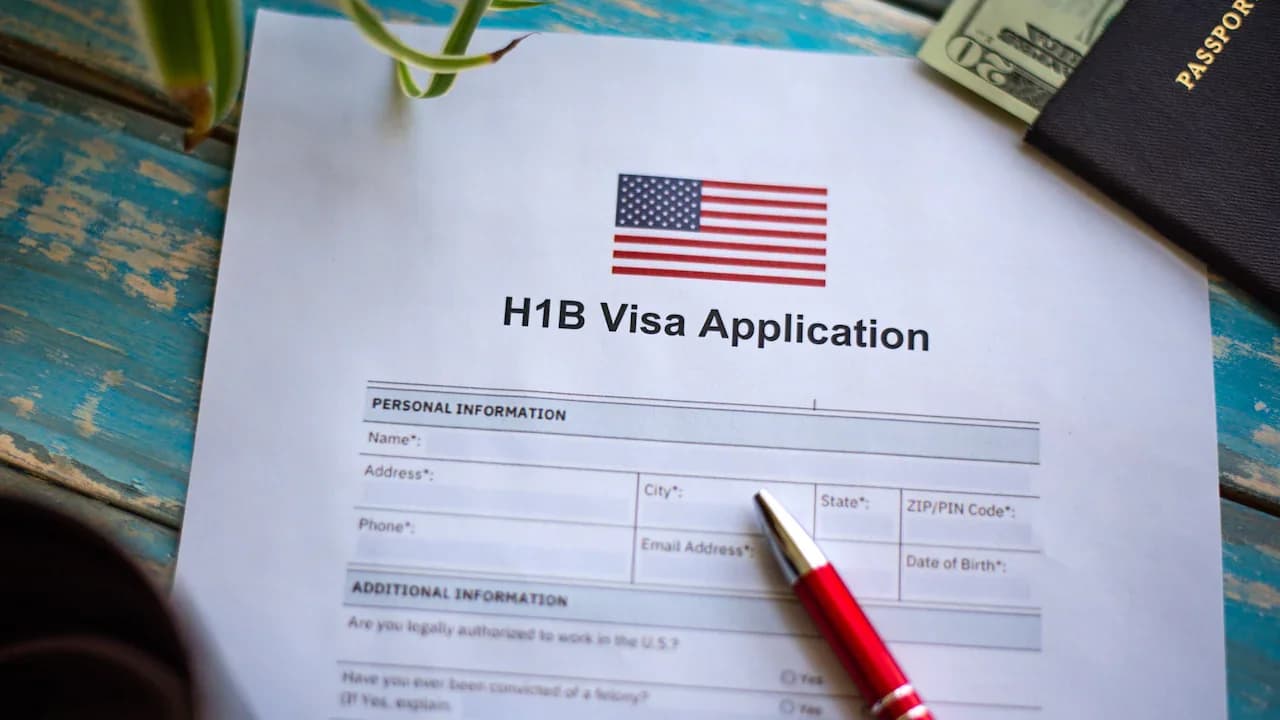
The H-1B programme, which allows US employers to hire foreign professionals for jobs requiring specialized skills, faces potential tightening under Republican proposals. The Protecting American Workers Through H-1B Modernization Act proposes higher wage thresholds for certain H-1B exemptions, while the H-1B Visa Fraud Crackdown Act seeks stricter penalties for programme violations. If passed, these measures could increase hiring and compliance costs for US companies, particularly IT services firms that rely on foreign professionals. A Democratic-controlled Congress could make it harder for such restrictive proposals to advance, as Democrats have also introduced measures dealing with domestic visa renewals and greater transparency in enforcement activities. The H-1B programme is widely used by technology companies and IT services firms that recruit workers from countries such as India.
For Indian professionals seeking permanent residency, a shift to a points-based system could significantly change how applicants qualify for employment-based green cards. The SMARTER Act proposes to replace the existing employment-based immigration framework with a skills-based points system, which would alter the current framework for permanent residency applications. The SMARTER Act also proposes narrowing family-sponsored immigration and eliminating the Diversity Visa programme. Democrats have called for preserving and expanding legal immigration pathways, with proposals aimed at creating more pathways to citizenship. However, these legislative proposals would not automatically change existing immigration rules and remain subject to congressional approval and presidential response.
The Republican-controlled Congress has already approved $70 billion in funding for Immigration and Customs Enforcement (ICE) and Border Patrol for the remainder of Trump's term, which limits the scope for an incoming Democratic Congress to immediately alter immigration enforcement through funding restrictions. This substantial funding commitment means that immigration enforcement policies will continue regardless of congressional control changes, providing stability for current enforcement activities. According to ICICI Bank, this funding commitment means that a change in congressional control is unlikely to bring an immediate reversal of the Trump administration's immigration policies, though it could increase oversight of immigration agencies and provide greater support for legislation expanding legal immigration pathways. The report indicates that a change in political balance alone may not bring an immediate shift in the administration's policy direction.
For India, a change in the political balance in Washington could mean greater scrutiny of President Donald Trump's policies, but businesses may not get an immediate relief from the existing tariff framework. As per ICICI Bank, the more immediate effects of Democratic control would likely be increased oversight, legislative disputes and greater uncertainty for businesses, rather than an automatic dismantling of the current tariff framework. Democrats could push for a review of certain tariffs or attempt to restrict the President's powers to impose them, but any significant change could face hurdles as the US President retains the power to veto legislation. The report notes that tariff uncertainty to continue - Here's why, with businesses not expecting the current tariff framework to disappear overnight. For India, this means that uncertainty around the US trade and tariff approach could remain even if Democrats make gains in Congress. The report also flags the possibility of a fresh dispute over the US debt ceiling in mid-2027, with US government debt standing at around $40 trillion in late 2026 against a borrowing limit of $41.1 trillion.