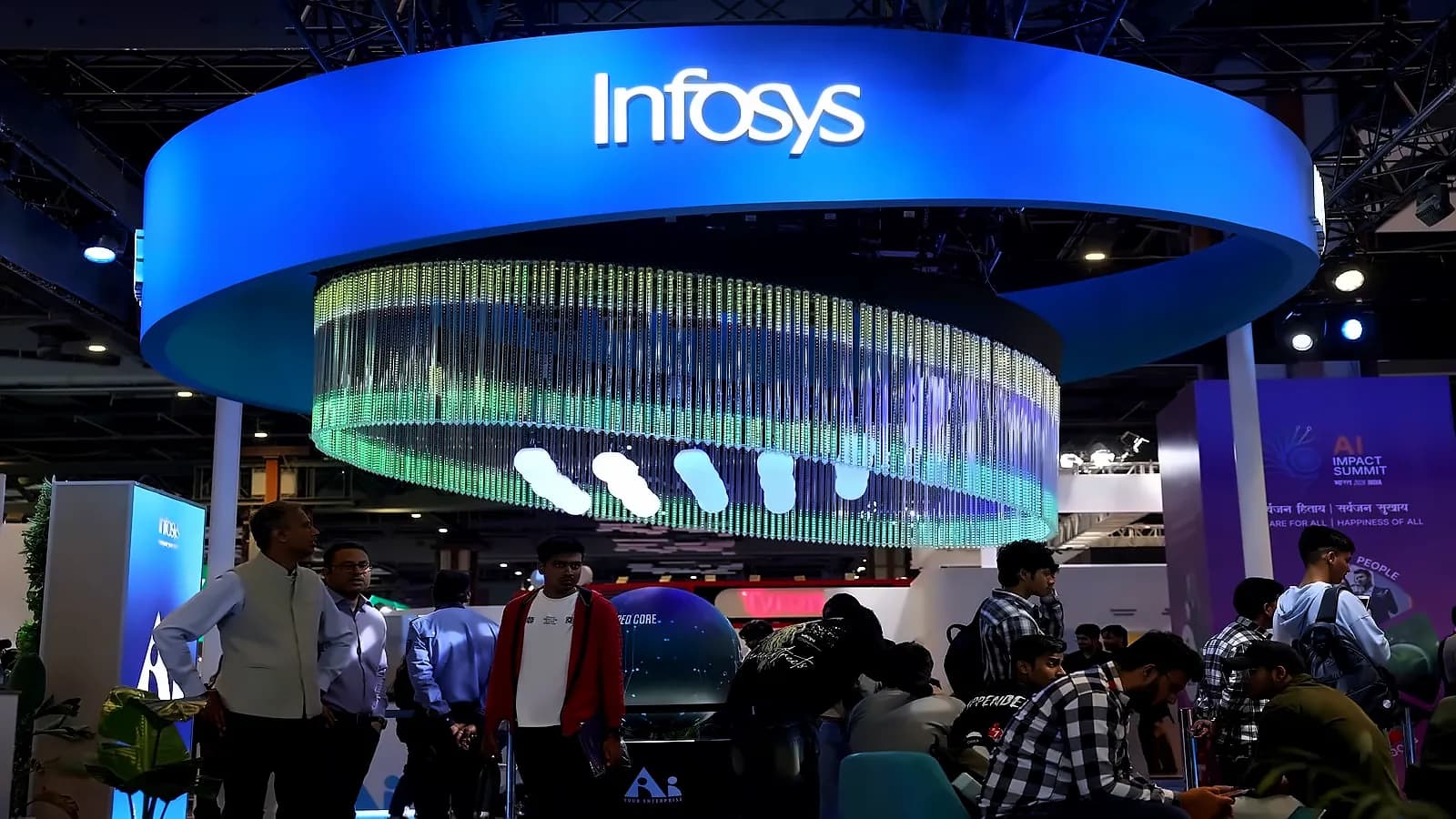
According to Business Standard, Indian IT majors have been in a state of readiness for potential changes to the Permanent Labour Certification (PERM) system, with Nasscom, the leading association of the Indian tech industry, asserting that companies had reduced their dependence on the H1B visa in recent years while stepping up their hiring in the US. This preparedness has minimized potential harm from the PERM suspension, with TCS, India's largest IT-services exporter, expressing similar sentiments, stating that the action by the US administration wouldn't disturb its workforce strategy. Major Indian IT companies including Infosys, Wipro and HCL have maintained consistent messaging that the suspension would have no material impact on the companies' operations. The industry's proactive approach reflects anticipation of changes in the US administration, with large Indian tech companies changing their work models in preparation for a future that's very different from the body-shop model they followed previously.

According to reports from NDTV Profit, HCLTech expects the latest US restrictions on the Permanent Labour Certification (PERM) process to have little bearing on its operations. Chief People Officer Ram Sundararajan stated that the company would comply with US Department of Labor requirements, noting that its PERM filings had remained at negligible levels over the past two years. The company does not anticipate any significant disruption to its operations given the small number of PERM filings in recent years, with Sundararajan emphasizing that "We will comply with the department's requirements" as the company adapts to regulatory changes in the US market. During the company's Q2 FY27 earnings press conference on October 12, Sundararajan reiterated that the suspension would not have a material impact on workforce plans or client engagements.
As reported by NDTV Profit, Sundararajan emphasized that HCLTech had stepped up local hiring over the past few years, reducing its reliance on employment-based immigration processes. This strategic shift positions the company to navigate the regulatory changes without material impact on its business operations. The company's approach reflects the broader trend among Indian IT services companies to adapt to evolving immigration requirements in the US market, with Sundararajan noting that "We have also stepped up local hiring over the past few years" to reduce dependence on foreign labor processes. During the earnings call, Sundararajan highlighted that the company has "ramped up our in-country recruiting efforts to build a significant local talent base" over the last many years, which remains a key part of its workforce strategy. HCLTech also indicated that it does not expect any significant shifts in its subcontractor workforce, which has remained broadly stable over the past five to six quarters.
According to Business Standard, the top six Indian IT firms recorded a 92 per cent decline in H1B visa registrations during FY27 over the previous year, with registrations dropping from 21,919 to 1,763. This dramatic reduction in H1B visa applications reflects the industry's strategic pivot towards local hiring and reduced dependence on employment-based immigration processes. Estimates suggest Indian IT firms constituted less than 2 per cent of the PERM applications filed between October 2024 and September 2025, which implies they may not be impacted in the near term but could face longer-term challenges in terms of higher hiring costs and rising compliance-related expenses as they increasingly depend on local talent in the US. The US has been tightening the immigration system with measures such as a $100,000 fee for certain visas, changes in the H1B lottery system, and a rule to end the automatic renewal of work permits for some immigrants.
As reported by NDTV Profit, the US tightening of scrutiny of employment-based immigration could affect how technology companies assign employees to projects and secure work visas for them. Changes to labour certification and visa rules represent significant regulatory challenges for the Indian IT services industry. However, HCLTech's assessment suggests that its relatively limited exposure to PERM filings, alongside a greater emphasis on hiring locally, should help the company navigate the regulatory requirements without a material effect on its business operations. The company's proactive approach to local recruitment and regulatory compliance positions it well to adapt to the evolving immigration landscape in the US market. Beyond business implications, the green-card restrictions have been accompanied by offensive remarks by US Vice-President J D Vance and Labour Secretary Keith Sonderling, with Vance calling tech workers "foreign indentured servants" and Sonderling stating that jobs in the US would not go to "foreign fraudsters'". These statements expose the nature and thinking of the US administration, particularly concerning given that foreigners, including several Indian-origin professionals, run top firms in the US.