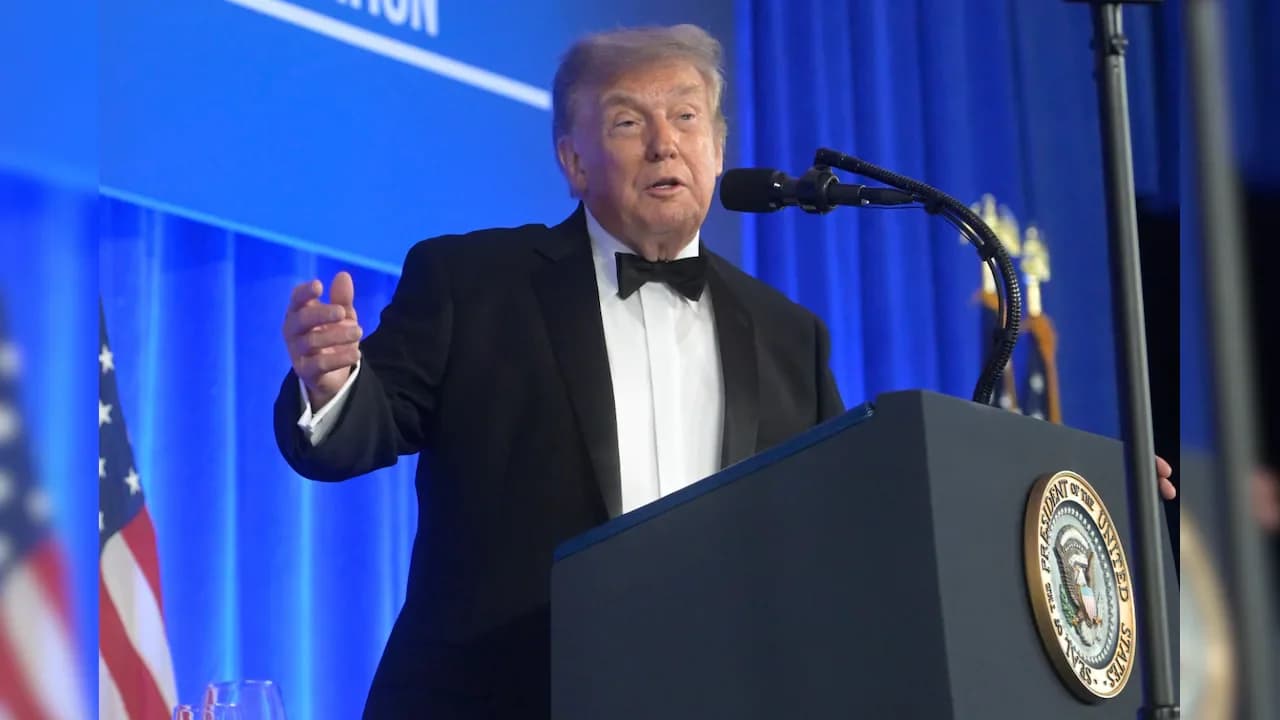
In July, the White House issued a rule that eliminates the system that allowed foreign pupils to remain in the country, as long as they maintained their student status. According to reports from Business Standard, this represents one of the biggest changes in educational visa rules in generations. Many are worried the Trump administration could use it to make it harder for some to stay and work after they graduate, potentially creating additional delays and uncertainty for routine extensions needed to complete doctorates and other lengthy academic programs. The latest data shows new international student enrollment declined by 17% in fall 2025, coinciding with visa difficulties and travel restrictions that are making America less attractive as a destination for foreign students.
China remains one of the biggest markets for US universities, with almost 266,000 students enrolled in the 2024/2025 academic year, but numbers are declining and America is no longer the top choice. As reported by Business Standard, some teenagers due to attend colleges there are also reportedly being sent on 'survival camps,' where exercises include simulated ICE raids and other scenarios to prepare them for dangers they might encounter. Families are increasingly considering alternative destinations including the UK, Canada, Australia and Singapore as 'Plan B' options. The trend is expected to continue, with recent measures between May and July 2026 revealing that the Trump administration's hardening is no longer confined to border control but has transformed into an integrated financial, security, and legal system.
According to a June paper from the Peterson Institute for International Economics, international student visa issuance is running roughly one-third below normal since new federal government policies were adopted to reduce foreign applicant numbers. The Peterson Institute estimates that foreign-born workers account for 30 per cent of the high-skilled STEM workforce, and most arrive in the US as students. If the reduction in their numbers persists, this qualified pool will eventually be 6.2 per cent smaller. After a decade, the hit to annual gross domestic product could be between $240 billion to $481 billion. A Brookings Institution analysis estimated that the sharp rise in Immigration and Customs Enforcement operations within cities was associated with the loss of about 668,000 jobs, including jobs held by American workers, with economic models suggesting that intensive mass deportation operations could reduce the country's gross domestic product.
The Trump administration has expanded enforcement beyond traditional border control to include legal residents, students, journalists, and asylum seekers. Immigration and Customs Enforcement (ICE) arrests in June alone exceeded 43,000, the highest figure ever recorded since the start of President Trump's second term, with the White House pressuring ICE to raise the arrest rate to 3,000 per day. New restrictions include foreign journalists' residency periods capped at 240 days with extensions possible for similar periods, and international students now have a specific expiration date for their residency period instead of the previous open-ended arrangement, limiting them to stay for no more than four years. The administration has also suspended visas for diplomatic missions in Africa at 25 diplomatic missions and transferred them to regional centers starting August 2026, and reinstated the 'public charge' rule for migrants, expanding categories that could become a burden on the state.
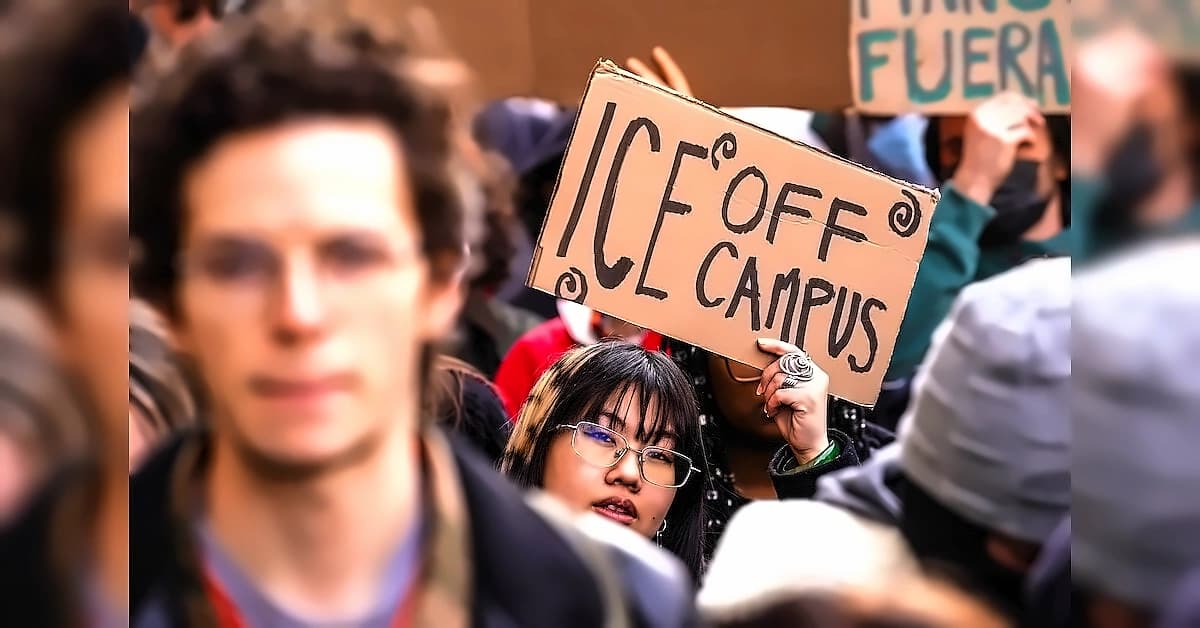
The immigration hardening reflects strategic calculations ahead of the November 2026 midterm elections, with about 80% of Republicans supporting Trump's handling of immigration issues according to recent polls. The administration has signed the 'Secure America Act' adding ₹70 billion to the Department of Homeland Security budget through 2029, and Republican spending on immigration promotion reached ₹53 million between January and June 2026, compared to just ₹17 million for the Democratic Party. However, the policy carries risks including potential alienation of independent and Latino voters, with 52% of Americans and 65% of Latino origin believing the administration is overreaching in deportation operations. The approach may achieve short-term gains by mobilizing Republicans and restoring MAGA movement cohesion, but carries accumulating costs including escalating confrontation with the judiciary, disruption of the labor market, and declining trust in law enforcement agencies.