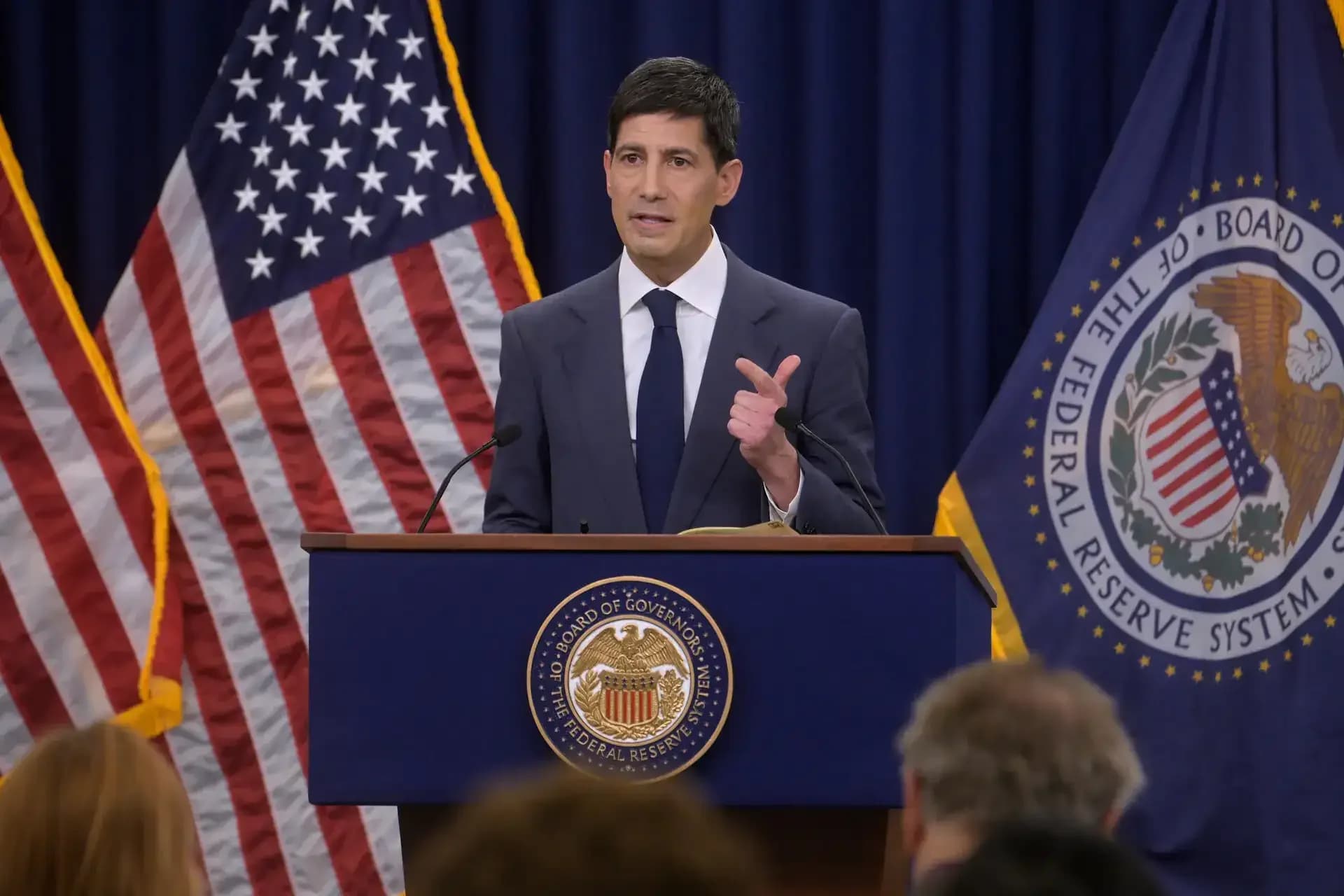
The U.S. Senate on Tuesday confirmed Kevin Warsh to a 14-year term as Federal Reserve governor, marking an important step toward his succeeding Jerome Powell as the U.S. central bank's next leader. The vote passed 51-45, with a single Democrat, John Fetterman of Pennsylvania, casting his vote with the Republican majority. The Senate began the confirmation process for Warsh's concurrent four-year term as Fed chair, holding a so-called cloture vote to start a countdown toward approving him for the leadership post as soon as Wednesday. Powell's term as chair ends on Friday, with Warsh set to lead the Fed at a time when the central bank's political independence is being tested by pressure from the administration to deliver interest-rate cuts demanded by President Donald Trump. As per CNBC TV18, Warsh, 56, will replace Powell who plans to remain on the board until a federal probe into renovations at the Fed's headquarters concludes.
Major Wall Street brokerages have turned more cautious on the timing of U.S. Federal Reserve rate cuts, as persistent inflationary pressures from elevated energy prices and a resilient labour market complicate the outlook for monetary easing. BofA Global Research now expects the Federal Reserve to keep rates unchanged for the remainder of 2026, projecting only two quarter-point cuts in July and September 2027. Meanwhile, Goldman Sachs has shifted its forecast to rate cuts in December 2026 and March 2027, compared with its earlier expectation of an initial cut in September 2026. According to Reuters, both brokerages have pushed back their expectations as the ongoing Middle East conflict, now in its 10th week, could keep energy prices elevated and contribute to global inflationary pressures. The revised outlook reflects growing concern among economists and investors that rising oil prices have made policymakers increasingly wary about easing monetary policy too soon.
Strong U.S. hiring data in April has dealt a significant setback to prospective Federal Reserve Chair Kevin Warsh's hopes of cutting interest rates, as reported by The Economic Times. The U.S. economy added 115,000 jobs in April, about twice the amount analysts had expected, according to the Bureau of Labor Statistics. The April job gain was well above the pace of job creation many analysts say is needed to keep the job market steady, while the unemployment rate held steady at 4.3%. According to Olu Sonola, head of U.S. economics at Fitch Ratings, "The labor market is not booming, but it is proving harder to break than many feared." The robust employment figures come despite mounting pressures from the Iran war and higher energy costs, signaling the labor market may be withstanding these pressures for now. Recent economic data has also reinforced the case for patience, with the labour market continuing to show resilience.
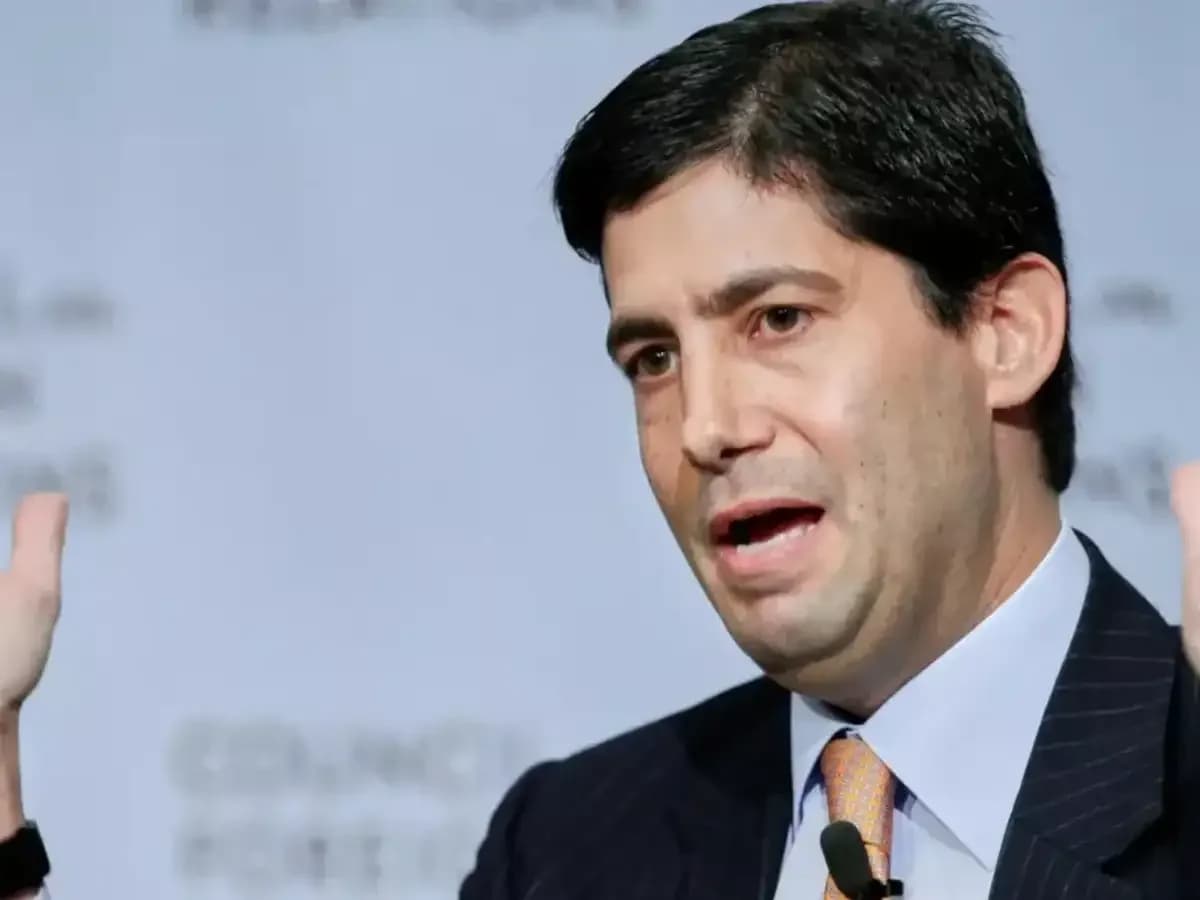
Bond traders are rapidly reshaping their outlook on U.S. monetary policy, with swaps linked to central bank rate decisions currently pricing more than a 50% chance that the Fed raises rates by next April before easing, as reported by Bloomberg. A growing chorus of traders is ramping up positions looking to hedge the prospect of rate-hike odds rising by the end of the year. The market shift comes as policymakers appear increasingly divided over the interest-rate outlook, with the Fed's dual mandate requiring maximum employment and stable prices. Regional presidents Beth Hammack of Cleveland, Neel Kashkari of Minneapolis and Lorie Logan of Dallas all released independent statements saying the Fed should be more explicit that the next monetary-policy step may not be a rate cut but rather a rate hike as inflation risks rise due to the Iran War. Market participants currently expect the Fed to maintain rates in the 3.50% to 3.75% range through the end of the year, according to Reuters.
Warsh says he plans 'regime change' at the Fed, including tightening its coordination with the Treasury Department and the Trump administration on non-monetary policies and setting it on course for a smaller balance sheet, which he argues should allow for a lower policy rate. A lawyer, financier and former Fed governor, Warsh is on course to lead the Fed at a time when the central bank's political independence is being tested by pressure from the administration to deliver the interest-rate cuts demanded by President Donald Trump. Trump's unprecedented efforts to exert control over the Fed include the attempted firing of Fed Governor Lisa Cook in a case now before the Supreme Court and support for a Department of Justice investigation into Powell's management of a building renovation that a federal judge ruled was pretext for pressuring Powell to cut rates or resign. The DOJ dropped its investigation, but its lead prosecutor in Washington says she could reopen it. Powell plans to take the unusual step of staying on as governor after his chair term ends, in response to the 'series of legal attacks on the Fed which threaten our ability to conduct monetary policy without considering political factors.'