Incoming Federal Reserve Chair Kevin Warsh's plans to shrink the U.S. central bank's balance sheet face significant constraints as U.S. Treasury yields surge to multi-decade highs. According to Reuters, 2-year Treasury yields have risen more than half a percentage point to over 4% since the start of the U.S. war with Iran raised new inflation concerns. The 30-year bond yield has topped 5.1%, a level not seen on a persistent basis since before the 2007-2009 financial crisis. Investors in contracts tied to the Fed's policy rate now see Warsh hiking rates as soon as January, with yields on inflation-linked securities also rising in a particularly troublesome sign for the Fed. Warsh has previously emphasized shrinking the Fed's balance sheet and potentially shortening the maturity profile of the central bank's Treasury holdings, as reported by Reuters. A smaller Fed balance sheet would reduce the central bank's demand for Treasuries and tighten financial conditions by withdrawing liquidity from markets.
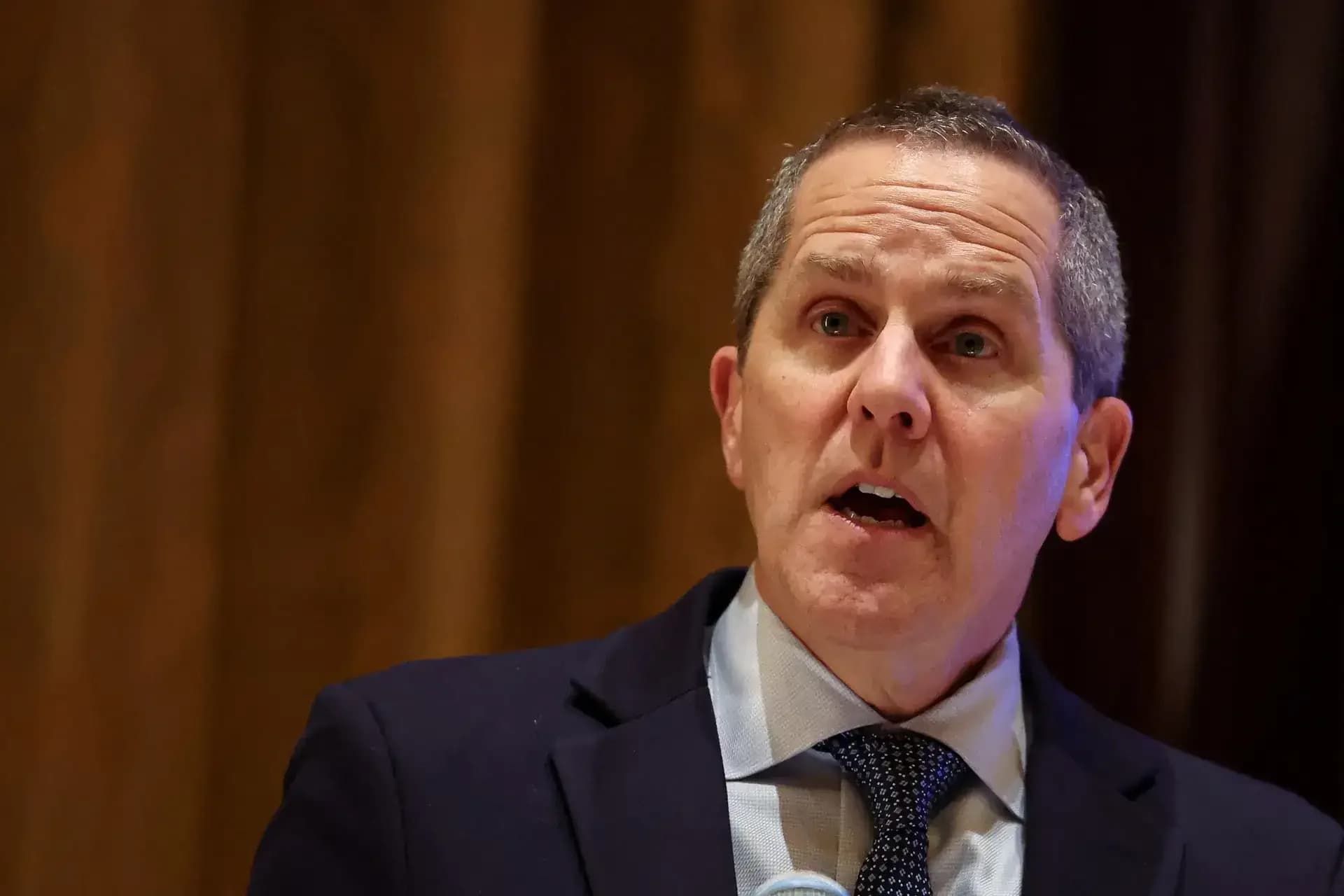
Federal Reserve Governor Michael Barr has reaffirmed his strong opposition to shrinking the U.S. central bank's balance sheet through lowering liquidity requirements for banks, arguing such moves could weaken financial system resilience and heighten crisis risks. Speaking at an event hosted by the Money Marketeers of New York University on Thursday, Barr said recent discussions around reducing the Federal Reserve's 'footprint' in financial markets by cutting the size of its balance sheet were misguided. According to Reuters, Barr warned that many of the proposals to meet this objective would undermine bank resilience, impede money market functioning, and, ultimately, threaten financial stability. He specifically noted that some would actually increase the Fed's footprint in financial markets, contradicting the intended objective. Barr emphasized that easing liquidity regulations to reduce Fed balance sheet is a bad idea and could undermine the safety of the financial system, as reported by Reuters.
The challenge for Warsh's balance sheet reduction strategy is compounded by rising federal debt and potentially lost luster of U.S. Treasuries. According to Reuters, the Congressional Budget Office estimates a federal deficit equal to 5.8% of gross domestic product for fiscal year 2026 versus a 50-year average of 3.8%. Research from the St. Louis Fed found that as the U.S. central bank began shrinking its balance sheet in 2022, the convenience yield fell around 40 basis points, meaning the U.S. had to pay investors that much more for its borrowing. Warsh would have to figure out how to counteract that effect to shrink holdings further or explain it as the cost of large deficits, something that would put him close to the sort of "mission creep" into fiscal affairs he has criticized. Since early March, the 10-year Treasury yield has risen around 45 basis points and touched an 11-month high on Wednesday, as reported by Reuters.
The Federal Reserve currently holds around $6.7 trillion in assets and has recently been purchasing Treasury bills in what officials describe as a technical operation aimed at maintaining adequate liquidity and aligning reserves with economic growth. As reported by Reuters, the Fed's holdings surged to nearly $9 trillion by mid-2022 after aggressive purchases of Treasury and mortgage-backed securities during the pandemic. Subsequent balance sheet reduction efforts have trimmed more than $2 trillion from those holdings. Barr emphasized that the Fed is working to shift balance sheet duration to align with broader Treasury market, and noted that doubtful liquidity coverage ratio adjustment will significantly impact reserve demand. The challenge for Warsh's critique is that the current system of tools used by the Fed to control interest rates, in a financial system flush with reserves, limits how far the Fed can shrink its holdings while maintaining control over its interest rate target.
Not everyone agrees with Warsh's balance sheet reduction approach. Fed Governor Christopher Waller noted that proposals to curtail central bank asset holdings to the point where financial institutions compete for reserves would be "extremely inefficient and stupid." In a recent Brookings Institution survey of top Fed and economic analysts, most of the 29 respondents said the size of the Fed's balance sheet "does not currently pose a problem for the growth or financial stability of the U.S. economy." Stanford University finance professor Hanno Lustig warned that if Warsh and other Fed officials "want to get ahead of this, when yields are responding to fiscal shocks, they have to be transparent about that, rather than say 'Oh, this is a hiccup in the Treasury market,'" requiring the Fed to buy bonds to smooth market functioning. The approach could reveal gaps in the Treasury market that would either push up long-term interest rates or put pressure on the Fed to step in and help hold borrowing costs down. Financial markets are currently pricing in no change to the Fed's benchmark policy rate target of 3.5%-3.75% this year, but experts warn that markets could react negatively if Warsh signals an early preference for interest rate cuts, as that could unanchor inflation expectations and put further upward pressure on long-term yields.