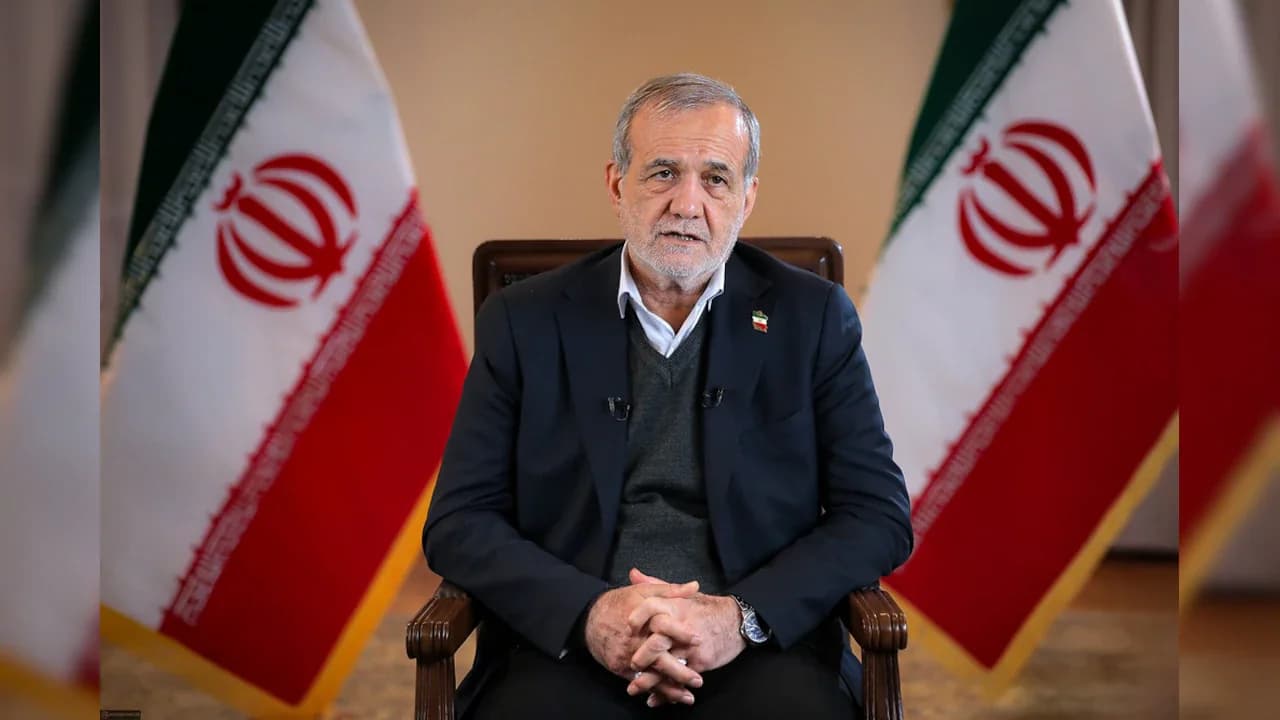
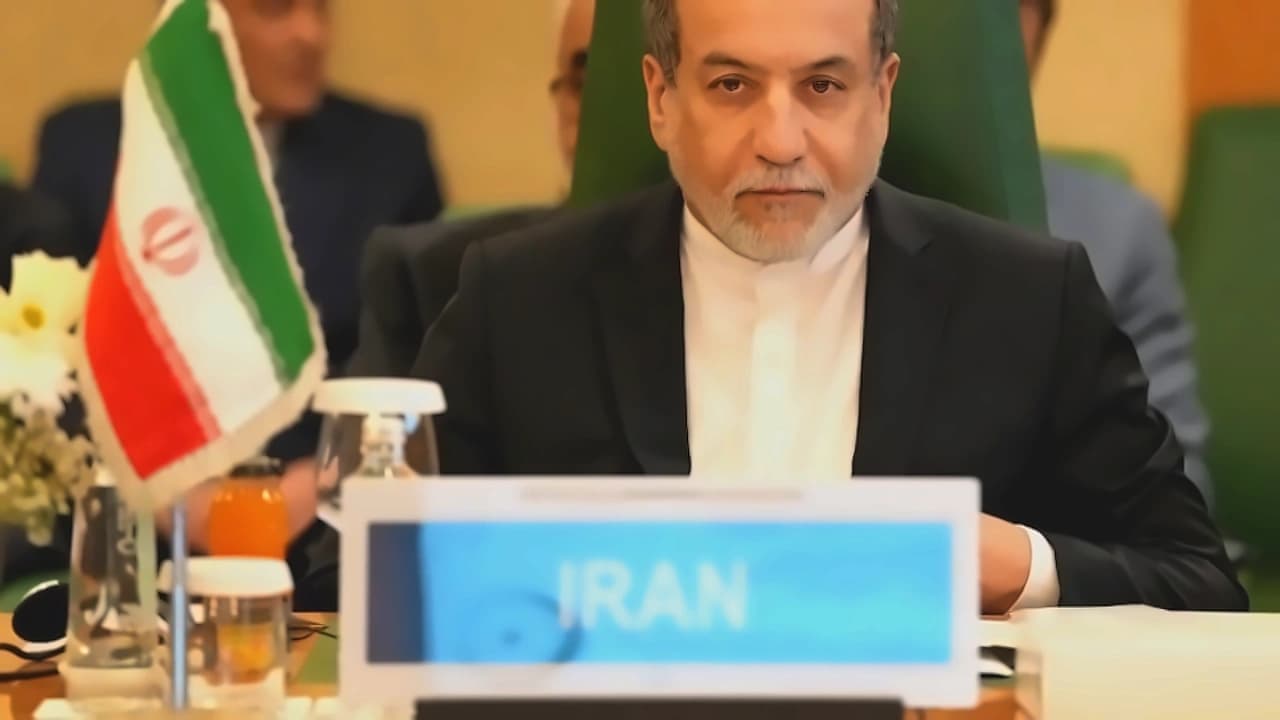
Vice President JD Vance has confirmed that Washington and Tehran are 'very close' to finalizing the memorandum of understanding, stating that 'We're going back and forth on a couple of language points. We've made a lot of progress here,' according to Reuters. Speaking to reporters, Vance emphasized that 'I can't guarantee that we're going to get there, but right now I feel pretty good about it,' noting that differences remain over Iran's highly enriched uranium stockpile and the future of its uranium enrichment activities. He added that 'It's hard to say exactly when or if the president is going to sign the MOU. We're going back and forth on a couple of language points.' However, Iran has pushed back against the agreement, with the country's semi-official Tasnim news agency citing sources saying the text of the potential agreement has undergone changes in recent days and remains 'not finalised'. The Iranian source also stated that 'some details carried in media reports about the proposed MoU were inaccurate,' according to Al Jazeera.
US Treasury Secretary Scott Bessent has signaled a potential diplomatic breakthrough between Washington and Tehran, stating that the two sides now have 'the makings of a deal' after weeks of high-stakes negotiations. According to NDTV Profit, Bessent provided the first major sign of diplomatic progress since the conflict erupted three months ago, emphasizing that 'everything depends on what the president wants to do' and that 'President Trump is not going to make a bad deal for the American people.' Bessent noted that such extensive concessions had eluded previous US administrations, stating 'This administration, President Trump, has done something that no other administration was able to do' by getting Iran to discuss its nuclear programme and potentially commit to not having one. He attributed this shift to the results of 'the kinetic action of our economic pressure, it has worked to bring them to the table and have a discussion on this.'
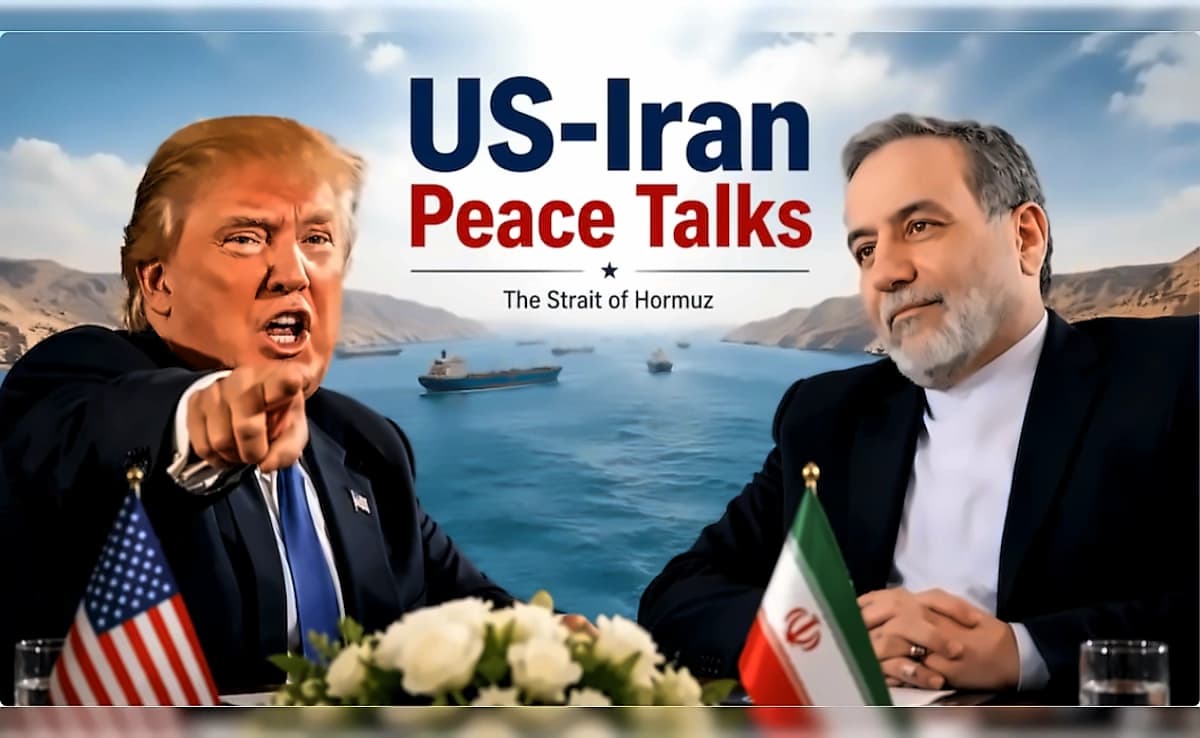
The proposed MOU would formally extend the current ceasefire and pave the way for fresh negotiations on Tehran's nuclear programme, according to Reuters. Under the tentative arrangement, Iran would be barred from imposing tolls on vessels passing through the Strait of Hormuz and would be required to remove all mines from the crucial waterway within 30 days. The strait, through which about one-fifth of the world's traded oil and natural gas typically passes, has effectively remained closed during the conflict, disrupting global energy markets and pushing up oil prices. As per Axios, the draft arrangement includes provisions to allow 'unrestricted' vessel movement through the Strait of Hormuz and for the US to lift its naval blockade on Iranian ports. The agreement's implementation would be a significant development for global energy markets, as the Strait of Hormuz serves as a key transit route for roughly a fifth of the world's oil and liquefied natural gas supply.
The signing of the MOU would mark the most significant diplomatic breakthrough since the war began in February, though a comprehensive agreement addressing Trump's core nuclear demands would still require further intensive negotiations. According to Axios, Trump asked for more time to consider the deal. 'The president relayed to the mediators that he wants a couple of days to think about it,' a US official told Axios. The deal remains pending Trump's final approval despite the preliminary agreement between the two sides. U.S. negotiators briefed Trump on the final terms, but he did not immediately approve them. The latest developments have prompted oil prices to reverse course and trade lower on hopes of a potential reopening of the Strait of Hormuz, with the White House declining to comment on the agreement. As per Axios, the US is ready to issue sanctions waivers so that Iran can sell oil freely, with the US naval blockade to be lifted in proportion to the level of commercial shipping restored through the Strait of Hormuz.
One of the key issues expected to dominate negotiations during the 60-day ceasefire period is the fate of Iran's stockpile of highly enriched uranium. According to the International Atomic Energy Agency, Iran possesses 440.9 kilograms of uranium enriched up to 60% purity, a level considered technically close to weapons-grade material. Iran has not publicly committed to relinquishing the stockpile, which is believed to be located at nuclear facilities that suffered extensive damage during US air strikes last year. Tehran may seek to transfer the material to a third country, potentially China or Russia, both of which maintain close ties with Iran. However, Trump indicated on Wednesday that he would be uncomfortable with such an arrangement. The proposed agreement also envisages a gradual easing of US naval restrictions on Iranian ports and a relaxation of sanctions that would allow Tehran to increase its oil exports. The MOU would also include the U.S. agreeing to discuss sanctions relief, the release of frozen Iranian funds and a mechanism to allow Iran to receive goods and humanitarian aid.