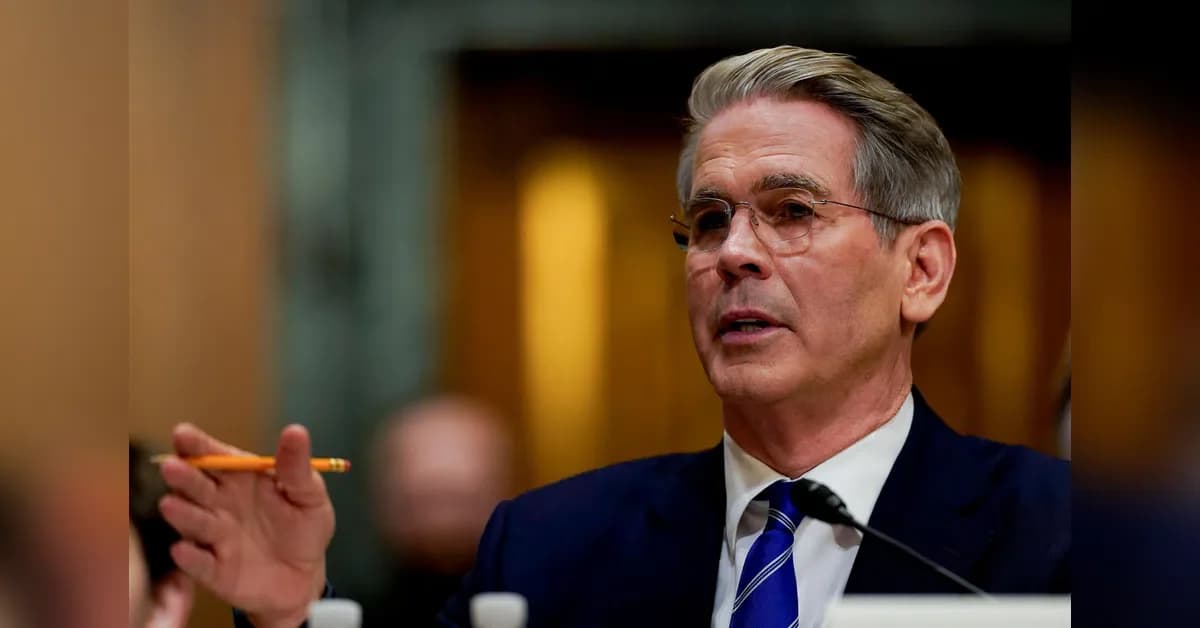
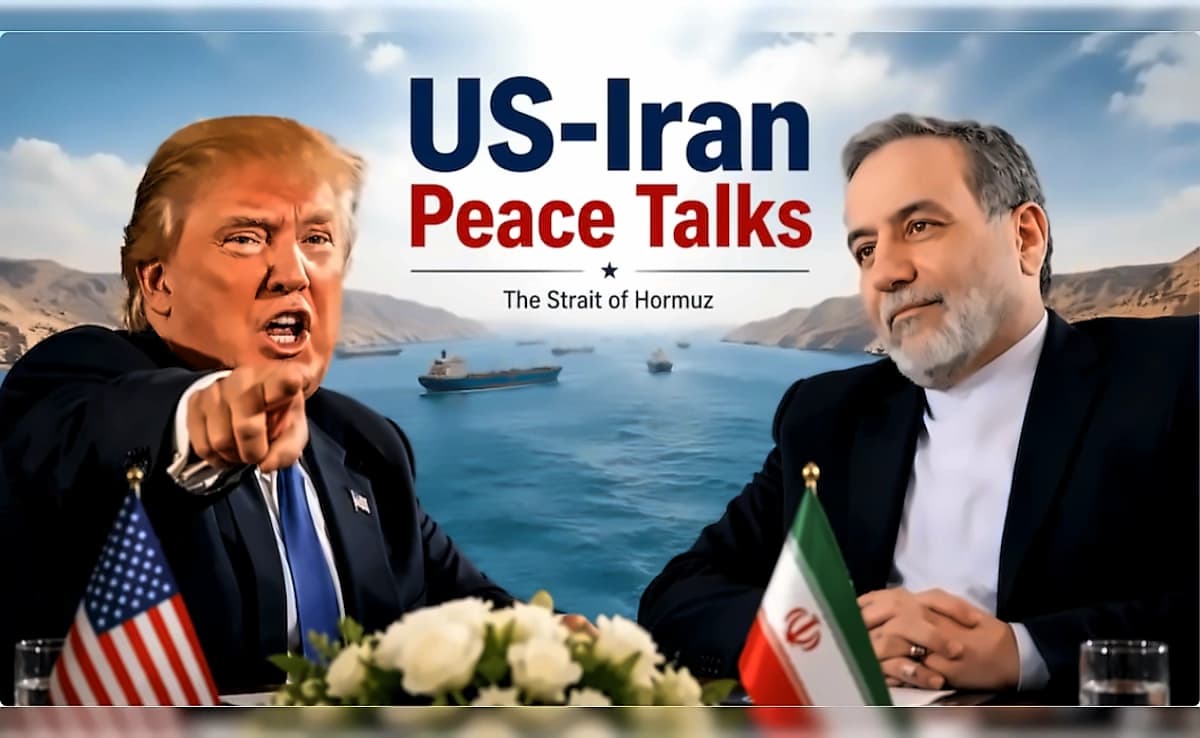
US Treasury Secretary Scott Bessent announced that President Trump's administration has achieved what no other administration could - bringing Iran to the negotiating table about its nuclear programme. Speaking at a White House briefing, Bessent emphasized that this represents a historic milestone, as the nuclear issue had previously been 'off the table' for negotiations. According to reports from Business Standard, Bessent noted that the administration's 'kinetic actions and economic pressure' have successfully worked to bring Tehran to the negotiation table.
US and Iranian negotiators have reached a draft 60-day memorandum of understanding (MoU) to extend the ceasefire and begin formal nuclear programme negotiations. As reported by Axios, the agreement was largely finalized by Tuesday, pending approval from senior leaders on both sides. President Trump has requested a few days to review the final draft before committing to the framework, with the deal representing the most significant diplomatic breakthrough since the conflict began on February 28. The memorandum would guarantee unrestricted commercial shipping through the Strait of Hormuz and require Iran to remove naval mines from the waterway within 30 days, with one US official noting 'This means no tolls and no harassment.'
The agreement includes Iranian commitments not to pursue nuclear weapons and outlines negotiations over Tehran's stockpile of highly enriched uranium and enrichment activities. According to Axios, the United States will commit to discuss sanctions relief, release of frozen Iranian assets and mechanisms to facilitate humanitarian aid deliveries to Iran. Bessent warned that only a 'satisfactory outcome' in negotiations would halt the pressure campaign, which has already shown positive effects with oil prices declining approximately 10% in May and almost 2,000 ships waiting to leave the Gulf.
The diplomatic progress has already shown positive effects on global energy markets, with oil prices declining approximately 10% in May. According to Business Standard, Bessent reported that almost 2,000 ships are waiting to leave the Gulf, indicating improved supply conditions. He expressed optimism that the oil market will be well-supplied following the resolution of the West Asia conflict, suggesting prices could decline rapidly once the crisis is resolved. Bessent also warned against companies and governments paying what he described as Iranian tolls disguised as aid payments, stating that a US naval blockade had pushed Iranian crude shipments to record lows.