US President Donald Trump has dismissed media reports suggesting that diplomatic negotiations between Washington and Tehran have stalled, maintaining that dialogue persists despite intensifying geopolitical friction across the Middle East. In a social media post on Truth Social, Trump refuted claims that communications between the two nations had broken down, asserting that discussions have been actively maintained over the last several days. "Fake News Reports that the Islamic Republic of Iran and the U.S.A. stopped speaking a few days ago are false and erroneous. The conversations between us have been going on continuously, including four days ago, three days ago, two days ago, one day ago, and today," Trump wrote. While acknowledging the unpredictability of the diplomatic process, the US President applied fresh rhetorical pressure on Tehran to secure a binding agreement with Washington. "Where they lead, one never knows, but as I told Iran, 'It's time, one way or another, for you to make a Deal. You've been doing this for 47 years, and it cannot be allowed to go on any longer!'"
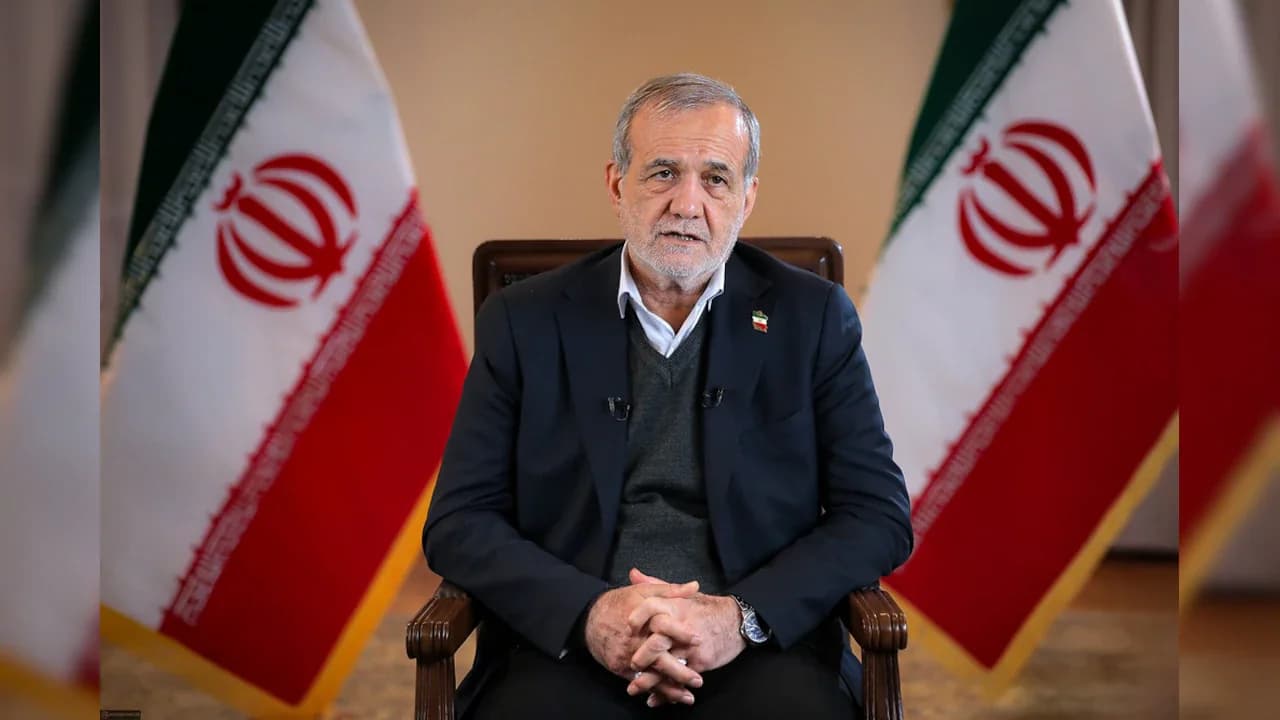
Iran's Parliament Speaker and chief negotiator Mohammad Baqer Ghalibaf ruled out accepting any agreement with the United States unless it delivers tangible benefits and firmly safeguards the rights of the Iranian people, as reported by Iranian state media. Speaking after taking oath as the re-elected speaker of Iran's parliament on Sunday, Ghalibaf stressed that Tehran remains deeply sceptical of Washington's assurances and will judge any future agreement solely on practical outcomes rather than verbal commitments. Ghalibaf emphasized 'There is no trust in the enemy's words and promises,' underscoring the Iranian position that 'Our only criterion is to achieve tangible results before we fulfill our commitments in return'. Iranian Foreign Minister Abbas Araghchi has reinforced this stance, stating that 'it is not possible to judge until a clear conclusion is reached; everything that is being said now is speculation and should not be taken seriously until it is certain'. Iranian Foreign Ministry spokesman Esmaeil Baqaei clarified Tehran's stance, stating, "No negotiations have taken place on the details of the nuclear file. At this stage, our priority is ending the war."
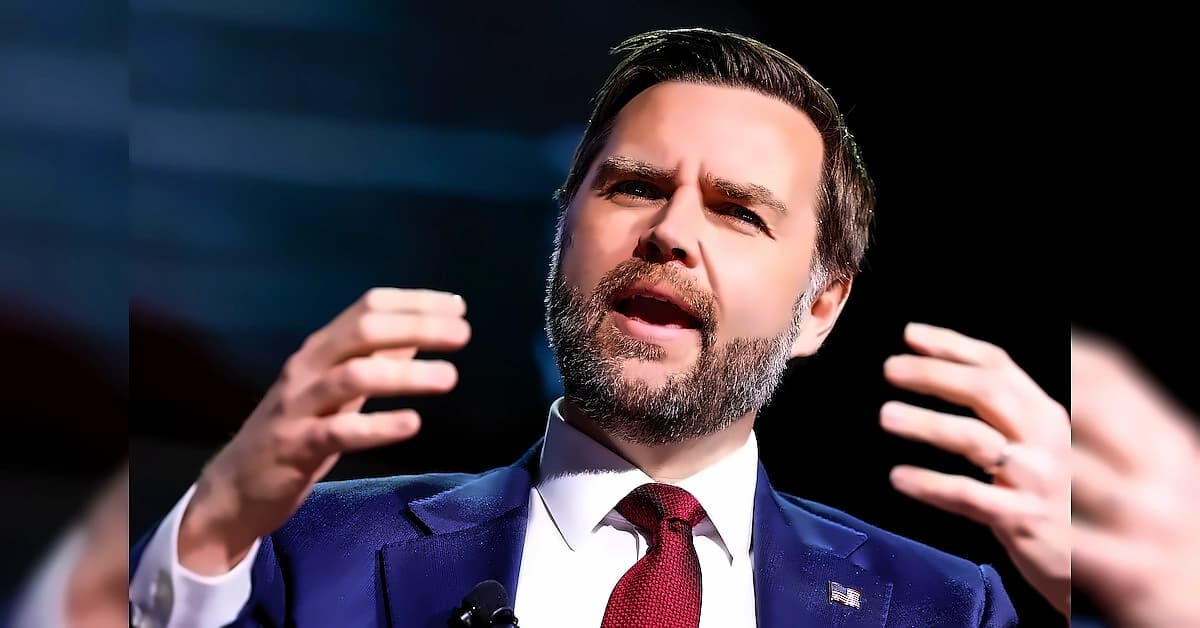
The Iranian parliament's national security commission head Ebrahim Azizi confirmed that Iran has 440.9 kilograms (972 pounds) of uranium that is enriched up to 60-per cent purity, a short, technical step from weapons-grade levels of 90 per cent, according to the International Atomic Energy Agency (IAEA). Iran has long maintained its nuclear programme is peaceful and has not publicly committed to giving up the stockpile. It is believed to be buried under three nuclear sites that were badly damaged by US strikes last year. Trump returned on Friday to his on-and-off demand for the removal of the cache as part of a deal, stating the material would be 'unearthed by the US, in coordination with Iran and the IAEA, and DESTROYED'. On Thursday, US Vice President J D Vance suggested negotiators were trying to strike general terms on Iran's nuclear programme, with the specifics to be hammered out in ensuing talks. Trump has demanded more stringent conditions regarding Iran's nuclear obligations, voicing apprehensions regarding the scale of economic assistance that Tehran might receive under a potential pact, aiming to avoid parallels with the Obama administration's nuclear accord.
The proposed memorandum makes clear that Iran would not be able to impose tolls on the Strait of Hormuz and that it would have to remove all mines from the vital waterway within 30 days, according to a US official who was not authorised to comment publicly. The US would gradually lift its blockade on Iranian ports and would also agree to relax sanctions, allowing Iran to sell more of its oil. Iran and Oman, which lie on opposite sides of the strait, would manage it and 'adopt mechanisms' for transit through it, 'based on their own national interests and the interests of the international community', as Baghaei stated. The closure of the strait has caused the price of fuel and other goods to soar, with effects felt far beyond the Middle East. Iran has effectively closed the strait since the US and Israel launched a surprise attack on February 28 that killed Iran's supreme leader and other top officials. Before then, the waterway was open to international traffic, and around a fifth of the world's oil and gas passed through it. According to reports by Tasnim, Iran is positioned to sustain the blockade on Hormuz and could collaborate with regional allied networks to extend maritime pressure to other vital choke points, including the Bab al-Mandab Strait at the southern entrance of the Red Sea.
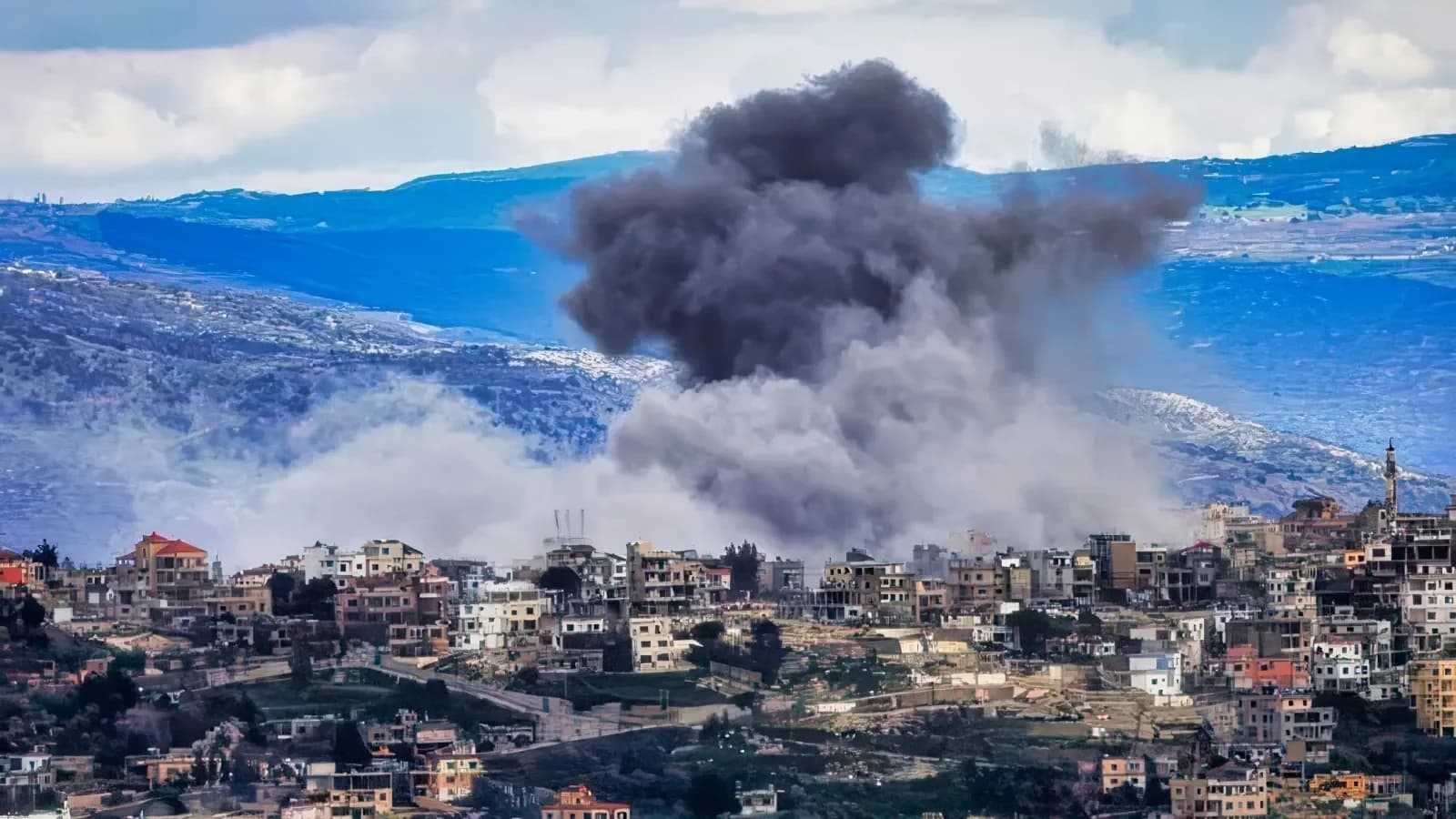
Iranian officials have maintained that halting active hostilities is their immediate focus, indicating that comprehensive diplomatic engagement cannot progress while Israeli forces continue operations in Lebanon. Iranian Foreign Ministry spokesman Esmaeil Baqaei emphasised that Iran considers a cessation of hostilities in Lebanon to be a baseline for broader regional understandings, stating "We insist that a ceasefire in Lebanon is an essential condition for any deal aimed at ending the war." The military wing of Iran's Revolutionary Guards cautioned that "crossing the red lines in Lebanon and Gaza" could trigger a 'direct war,' adding that Iran remains committed to defending what it termed the 'Strait of Hormuz equation' and is prepared to implement 'meaningful actions' if conditions demand. Iran's chief negotiator Mohammad Bagher Ghalibaf has levelled accusations against Washington, alleging a failure to uphold commitments, characterising the American naval presence and the intensified theatre of war in Lebanon as 'clear evidence of US non-compliance with the ceasefire.' Despite the highly charged environment, Trump's statements signal that Washington is prioritising a negotiated settlement over further military escalation.