US President Donald Trump declared on Wednesday that he would block a final Iran deal if it includes shipping fees, calling such provisions 'unacceptable' to Washington. Speaking to reporters while meeting NATO Secretary General Mark Rutte at the White House, Trump stated 'No, it would be unacceptable to me because we have numerous strengths and if we did that for them we would have to do it for other people.' The president argued that permitting fees would set a 'game changer' precedent that could encourage similar demands elsewhere, as reported by ANI. This development comes a week after Trump and Iranian President Masoud Pezeshkian electronically signed a memorandum intended to pave the way to end the war Washington and Tel Aviv launched against Iran on February 28. The exchange highlights growing tensions as Washington and Tehran are due to hold negotiations for 60 days, with the possibility of an extension, aimed at reaching a final agreement.
Israeli Defence Minister Israel Katz has declared that Israeli troops will not withdraw from southern Lebanon, highlighting a significant hurdle to the US-Iran peace agreement. Speaking at a conference in Tel Aviv, Katz stated that "The IDF is prepared ... and we are not retreating. We announced that in any case we are not withdrawing, and as of this moment and this is a political achievement there is no American demand for Israel to withdraw from Lebanon." This stance complicates the diplomatic framework, as Lebanon and Israel are currently discussing a US-backed proposal at talks in Washington for Israeli forces to pull out of some of the territory it invaded in the war and hand it to Lebanese-army control. The Israeli position adds complexity to the broader regional negotiations, with Israeli officials, including Prime Minister Benjamin Netanyahu, repeatedly stating they will not pull troops out of southern Lebanon, where they say they have created a security zone to protect residents of northern Israel. The developments come as US Secretary of State Marco Rubio is touring the region to allay concerns, holding working lunches with UAE President Sheikh Mohammed bin Zayed Al Nahyan and other senior officials.
A fresh dispute has emerged over the agricultural provisions of the US-Iran interim deal, with US President Donald Trump and Vice President JD Vance claiming that frozen Iranian assets will be used to purchase American crops during the 60-day negotiation period. In a detailed social media statement on Truth Social, Trump asserted that "The US Treasury Department will release the Iranian assets into escrow, controlled by the USA, and will be used for the purchase of food and medical supplies, exclusively from the United States, including Corn, Wheat, and Soybeans from our great American farmers." However, Iranian Foreign Ministry spokesperson Esmail Baghaei has categorically denied these terms, stating that "It is interesting that the philosophy and goal of the war, which was the destruction of the Iranian civilisation and the collapse of Iran, has become enriching American farmers." Iran's central bank governor Abdolnaser Hemmati said in an interview published on Monday in Tasnim that Iran had 'no obligation' to buy American farm products under the signed memorandum, though he left open the possibility of a verbal agreement between the US and Iranian sides. The disagreement highlights the complexity of implementing agricultural provisions in the broader diplomatic framework, with sanctions experts questioning how billions of dollars worth of Iranian assets would make their way to American farmers from escrow accounts where they have been locked for years.
A fresh rift has emerged between the United States and Iran over nuclear inspection claims, despite the broader diplomatic progress. US President Donald Trump threatened to halt peace talks if Iran refused to allow IAEA inspections of its nuclear sites, with Trump claiming on Tuesday that Iran had 'fully and completely agreed' to long-term nuclear inspections as part of ongoing negotiations. However, Iranian Deputy Foreign Minister Kazem Gharibabadi reiterated on X that no meeting was held in Switzerland with International Atomic Energy Agency chief Rafael Grossi, despite Grossi's request, and said there were currently no plans to grant access to nuclear facilities that had been attacked or to nuclear materials. Iranian Foreign Ministry spokesperson Esmaeil Baqaei clarified that Tehran has not consented to any International Atomic Energy Agency (IAEA) oversight of specific atomic facilities affected by previous American and Israeli military operations. The obvious discrepancy between Washington's assertions and Tehran's public stance was highlighted by Iran's UN envoy, Ali Bahreini, who likewise dismissed the American claims, with both officials emphasizing that "We have not met with the IAEA's director general, nor do we have any plans for the agency to inspect Iran's nuclear facilities damaged by US and Zionist military aggression." IAEA Director General Rafael Mariano Grossi dismissed conflicting signals from Tehran and Washington, stating "There's a war of words here," referring to White House statements about monitoring that were disputed by Iran.
A fresh diplomatic breakthrough between the United States and Iran has raised hopes of an end to months of conflict that rattled global energy markets and threatened one of the world's most important shipping routes. High-level talks in Switzerland on Sunday ended with all parties agreeing on a roadmap to reach a final settlement within 60 days. US Vice President JD Vance described the discussions as constructive and said negotiators had laid the groundwork for a comprehensive agreement. "We laid a very good foundation for a successful final deal," Vance was quoted as saying at a news briefing by NBC News as he departed for the US from the Swiss resort of Burgenstock, where the talks were held. In a joint statement, the mediators said the parties had agreed to begin technical-level talks immediately, establish a dedicated communication channel to avoid misunderstandings and work towards ensuring safe commercial navigation through the Strait of Hormuz. The high-stakes dialogue focuses on resolving deep-rooted disputes, including the trajectory of Iran's nuclear enrichment, the mechanics of sanctions lifting, and broader regional stability. However, Trump's deal has come under fire for failing to address the reasons the president cited for going to war with Iran on February 28, including curbing Tehran's nuclear ambitions, its missile programme and its support for militant groups such as Hezbollah in Lebanon and Hamas in Gaza.
The talks delivered significant economic relief measures as part of the implementation framework. According to Associated Press, the US Treasury was preparing to issue a 60-day waiver lifting sanctions on oil, petrochemicals and derivatives, with Iran saying this meant its central bank would be able to sell oil to customers, principally China, and receive payments without the threat of sanctions. Qatar and Iran also signed a memorandum about the release of Iranian assets frozen in Qatar bank accounts due to US secondary sanctions, though it was not clear whether the US had placed any restrictions on Iran's use of the assets. In a related move, Washington issued a temporary 60-day general licence allowing the production, delivery and sale of Iranian crude oil and petroleum products. The economic measures may help lift some of the pressure in Iran's exchange markets, and gradually slow runaway inflation, the country's biggest domestic concern at present. Trump also said US sanctions relief and money being released to Iran would be placed in escrow controlled by Washington and used only to buy food and medical supplies from the United States. On Monday, the US Treasury approved the sale of Iranian oil, petrochemicals and petroleum products through August 21, though it did not mention any escrow accounts. The agricultural provisions remain unclear, with Joseph Glauber of the International Food Policy Research Institute noting that Iran was unlikely to abandon its other trade partners on food, including Brazil, India, Turkey, the European Union, Canada, Australia and Argentina, creating potential 'hard feelings with some of our competitors.'
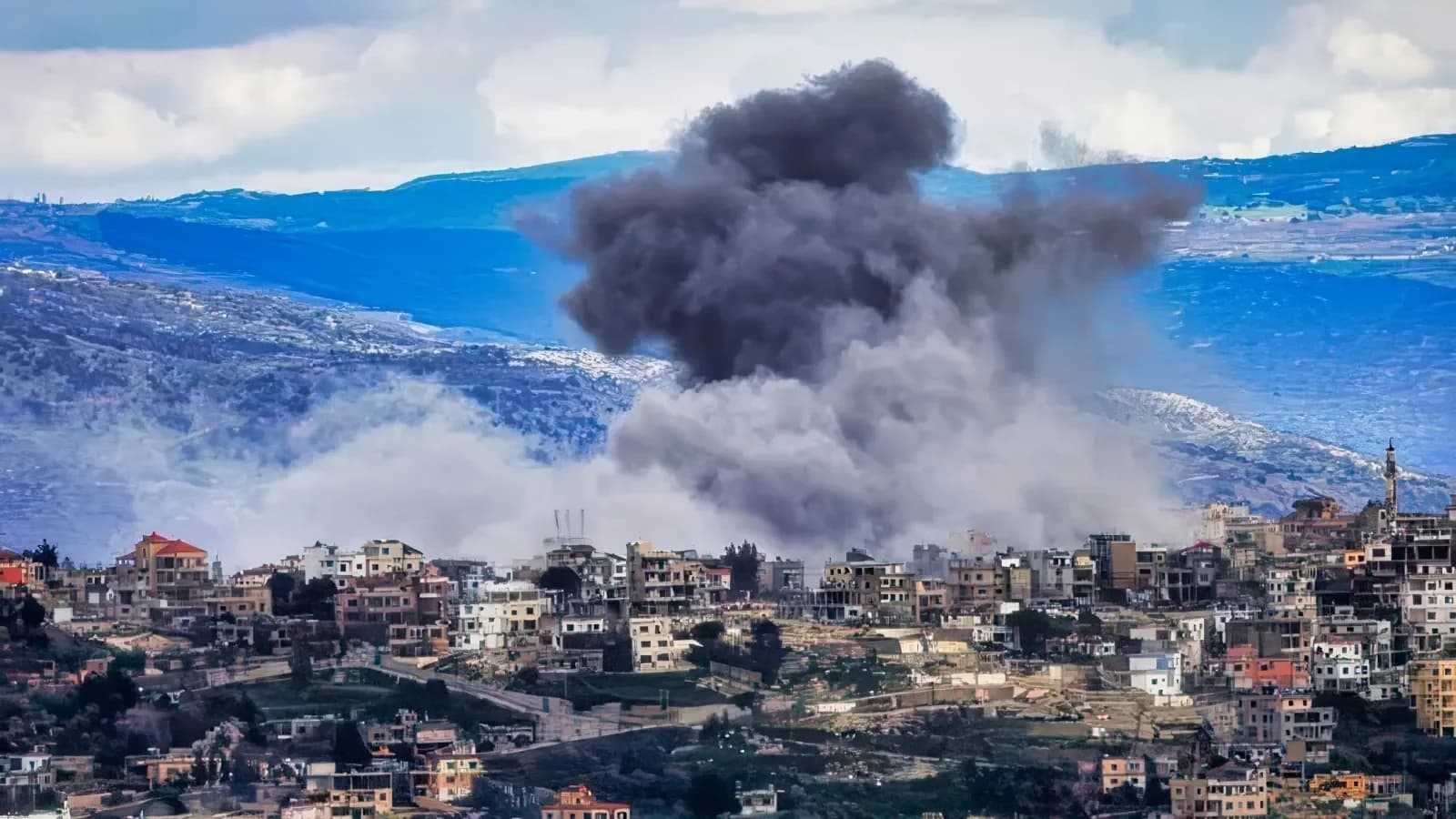
Iranian Foreign Minister Abbas Araghchi has reiterated that Iran would retain control over the Strait of Hormuz, telling Iranian state media upon his return from Switzerland that "the administration of the Strait of Hormuz will never go back to the way it was before the war," while adding that "international regulations will be observed." The developments come as Vice President JD Vance said there was a "good foundation" for a final deal, while US Secretary of State Marco Rubio is set to visit the UAE, Kuwait and Bahrain from June 23-25 for talks on Iran and Hormuz-related priorities. Shipping has begun flowing through the Strait of Hormuz, leading to a fall in oil prices, although the longer-term operation and management of the waterway remains under discussion between Iran, Oman and other Gulf states. Qatari Prime Minister Sheikh Mohammed bin Abdulrahman al-Thani visited Muscat on Wednesday for talks with Oman on initiating negotiations on the waterway, with a diplomat briefed on the talks telling Reuters that Gulf states are expected to push for no transit fees, but Iran could propose environmental, navigation and security fees. The talks addressed Iran's nuclear program despite Tehran's initial reluctance to discuss the issue, with the MOU calling for Iran to, at minimum, dilute its stockpile of highly enriched uranium, though many issues including Tehran's right to enrich uranium in the future remain unresolved.