The Federal Reserve's decision to raise interest rates by 25 basis points on Wednesday marked its first rate increase in three years, as reported by CNBC TV18. The central bank moved the federal-funds target range to 3.75%–4.00%, with Fed Chair Kevin Warsh's comments suggesting additional increases may be forthcoming. According to Schwab Network, Warsh played the "status quo Fed Chair" by hiking rates, with analysts noting that the Fed's 2% inflation target "will never happen" amid current capital expenditures from AI companies and the Federal Reserve's balance sheet. Rising inflation, which has remained above the Fed's 2% target rate for five and a half years, was cited as a primary reason for the rate hike decision. Treasury yields declined to 4.94% from 5.01% late Wednesday, providing some support for global risk assets, though bond markets had stabilized on Thursday with the two-year Treasury yield slipping to around 4.72% and the benchmark 10-year yield easing to near 5%, retreating from recent highs and supporting appetite for technology and growth shares.
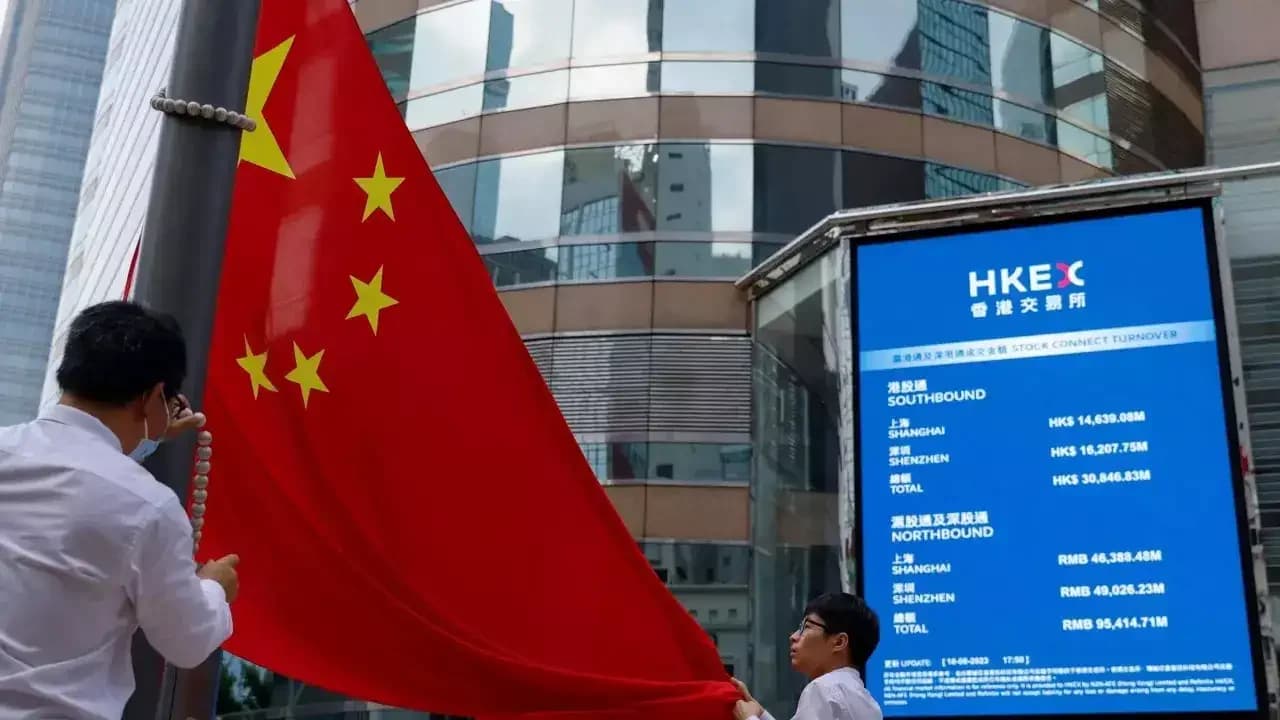
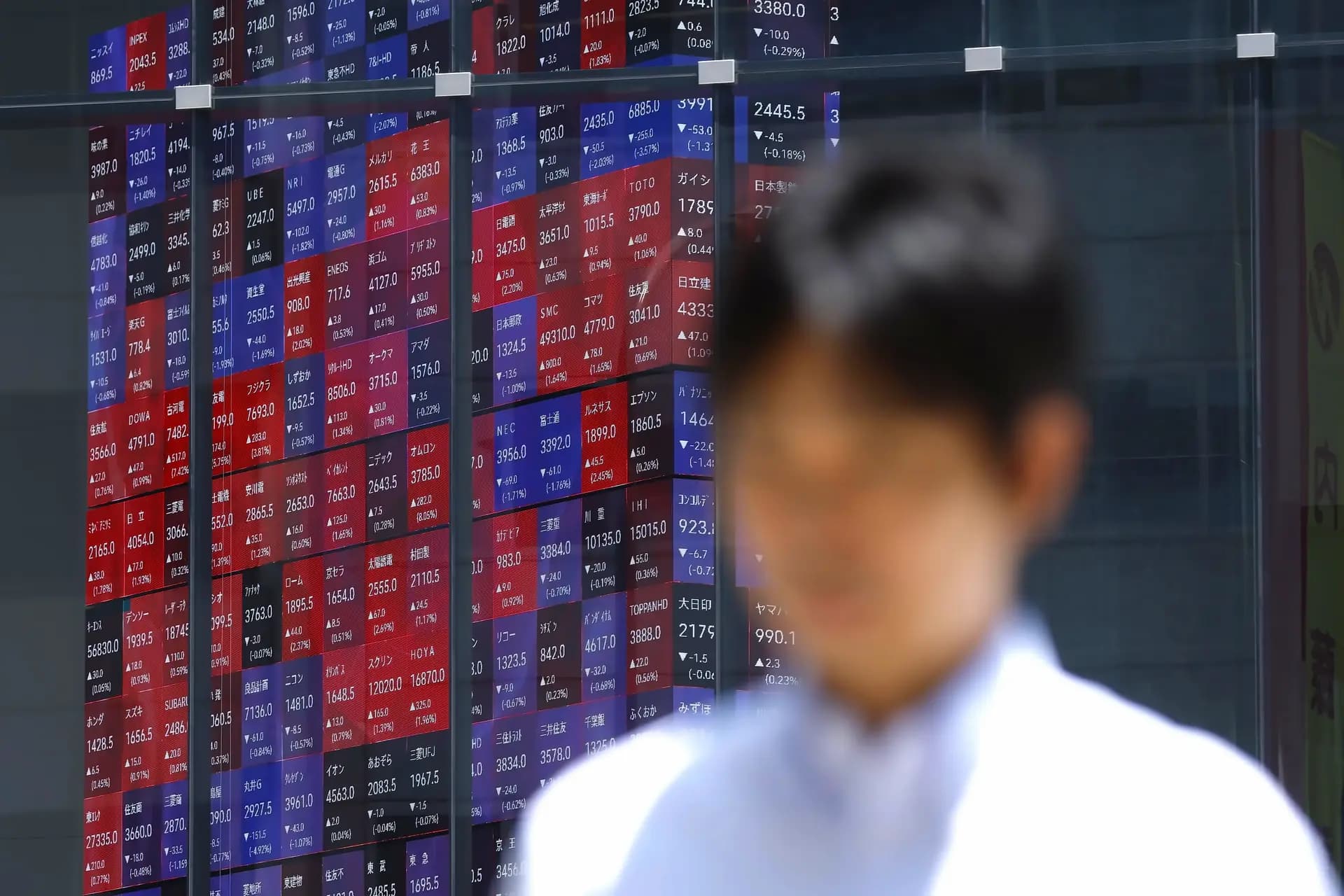
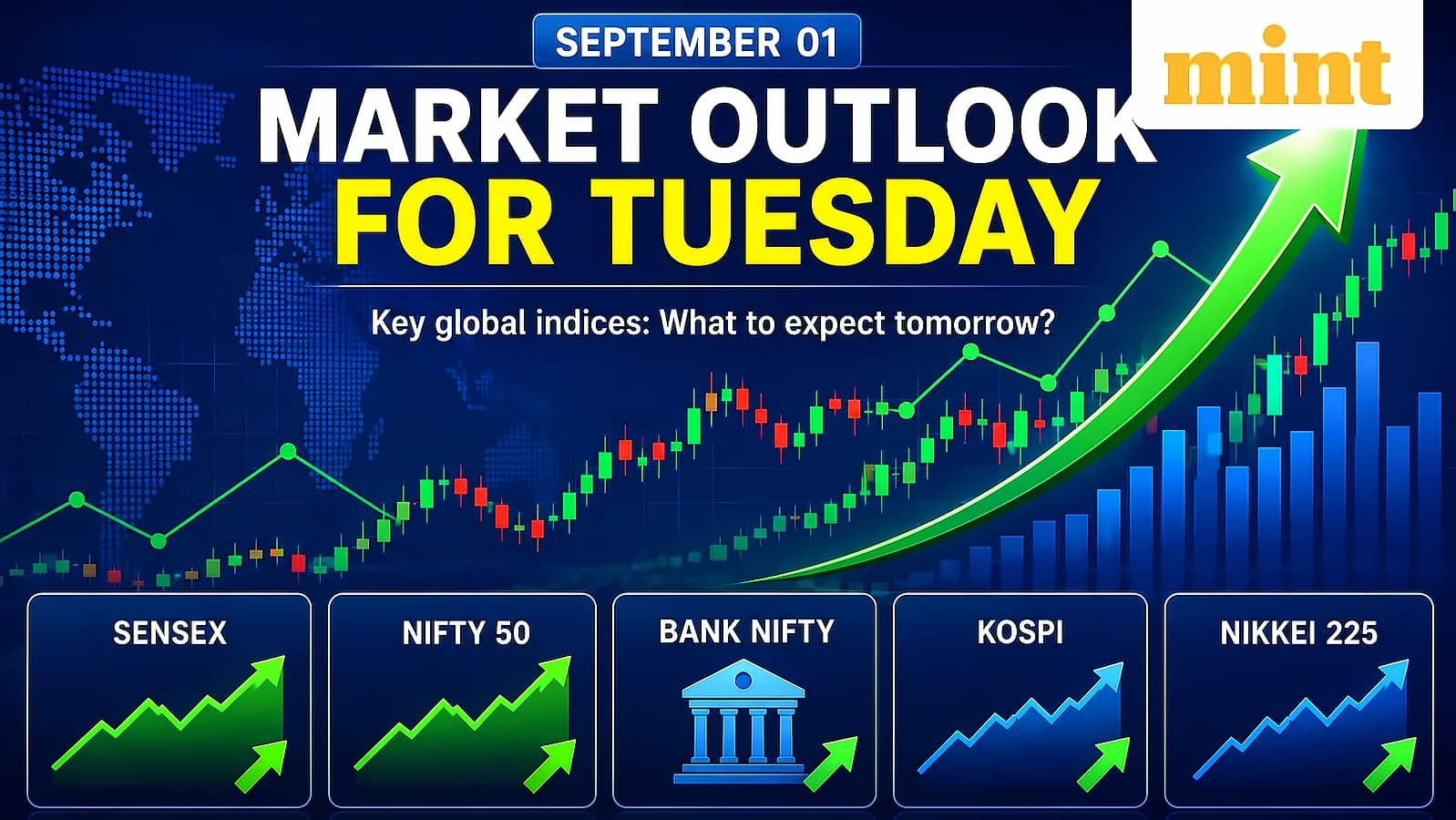
Asian stock markets traded mixed on Thursday, September 17, as investors absorbed the U.S. Federal Reserve's first interest-rate increase in three years and assessed continuing risks from high oil prices and Middle East supply disruptions. Japan's Nikkei 225 gained 0.33% to close at 64,136.25 points, supported by a weaker yen and relative strength in export-linked shares, with the broader Topix index rising 0.80% to 4,094.19. South Korea's Kospi slipped marginally, falling 0.04% to 6,715.41 points, following a volatile trading session where the market initially gained before losing momentum. Hong Kong's Hang Seng Index declined 0.44% to 24,604.29 points, while mainland China's Shanghai Composite fell 0.41% to 3,875.60, reflecting ongoing concern about China's growth outlook and the risk that higher global borrowing costs could curb demand for exports and investment. Australia's S&P/ASX 200 rose 0.4% to 8,732.40, helped by strength in defensive and resource-linked shares, while Taiwan's Taiex gained about 1% and India's Sensex edged higher by roughly 0.1% to 0.3% during the session.
Oil prices provided some relief after recent volatility, with Brent crude falling about 2.2% to $103.48 a barrel and U.S. West Texas Intermediate crude declining 1.7% to $100.65, as reported by Eurasia Business News. However, both benchmarks remained significantly above late-February levels when Brent traded near $72. Energy markets continue to face vulnerability due to oil flows through the Strait of Hormuz being limited and Saudi Arabia's East-West pipeline having been undergoing repairs after an attack. The pipeline is essential because it transports Saudi crude to the Red Sea port of Yanbu, offering a bypass around Hormuz. Reports that Saudi Arabia could offer additional cargoes through Oman helped ease immediate supply fears, though investors remain alert to any new disruption involving Middle East infrastructure, tanker traffic or shipping routes. The yen remained in focus, with Japan's currency trading around ¥156.11 per dollar after falling as low as ¥156.35, its weakest level in nearly two years, which can support Japan's export sector and help explain some of the Nikkei's resilience.
Despite recent concerns about the rapid growth of artificial intelligence and safety worries, technology stocks rallied on Thursday, as reported by CNBC TV18. Nvidia Corp. (NVDA) stock jumped more than 2.5% at close, while other chipmakers like Micron Technologies (MU) and Advanced Micro Devices (AMD) also surged more than 5% and 6% each. All the Magnificent Seven stocks also jumped higher at the close. Rebecca Walser, CEO of Walser Wealth Management, called the concerns "fear-mongering," adding that markets "have to be invested in the technology revolution," despite potential volatility ahead of the mid-term elections. Market analysts suggest that Thursday's rally implies many investors are looking past the prospect of a higher-for-longer rate or inflation environment, returning instead to an artificial intelligence story that should continue to bolster corporate profits. The Nasdaq Composite climbed about 1.5% on Thursday, leading the market rebound as lower Treasury yields appeared to support appetite for technology and growth shares.
The mixed performance across Asia reflected competing forces, with falling oil prices offering some relief after Brent crude surged above $100 a barrel in recent sessions, yet uncertainty around Middle East shipping routes and Saudi Arabia's pipeline repairs continued to limit investor confidence. The Fed's move was the first rate increase since 2023 and was broadly expected by global markets, however, the decision reinforced the possibility that U.S. monetary policy will remain restrictive for longer than investors previously anticipated. Higher U.S. interest rates tend to affect Asian markets in several ways, including strengthening the U.S. dollar, increasing global funding costs and encouraging investors to shift capital toward U.S. assets, which can pressure emerging-market currencies and raise financing costs for governments and corporations across the region. For export-heavy Asian economies, the impact is more nuanced, as a weaker local currency can support overseas revenue when converted back into domestic money, but higher rates may also suppress demand in key foreign markets.