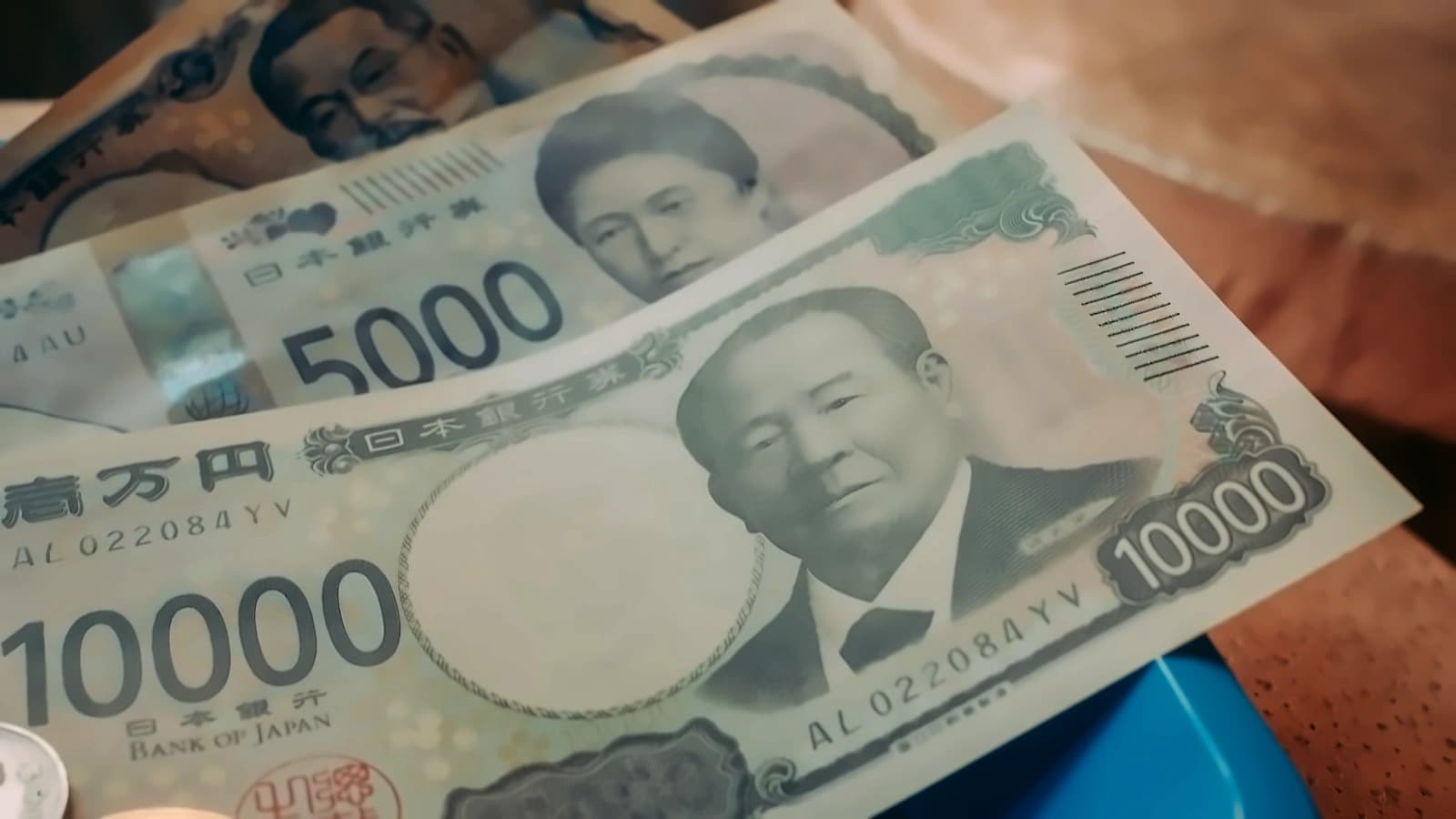
Asian stocks and US equity-index futures advanced with traders looking to a US-China summit later this week for signs of progress on trade and economic ties. Oil fell for a fourth day, with Brent dropping 0.3% to about $103.50 a barrel, extending the decline that began with the third consecutive day of losses. This continued retreat in oil prices comes as US and Chinese officials met in New York, with discussions led by Treasury Secretary Scott Bessent and Chinese Vice Premier He Lifeng. Bessent said he had a successful engagement with Chinese officials on trade and artificial intelligence, providing some optimism for market participants. A Bloomberg gauge of the dollar was little changed, while the yen was a touch weaker at about 157.05 per dollar after falling more than 2% last week. The yen softened to 156.23 per US dollar in early trading as traders braced for the policy decision from the Japanese central bank later in the day. Oil and liquefied natural gas shipments through the Strait of Hormuz have reached their highest level in six months over the past two weeks, a sign that US naval protection and mine-clearance efforts are paying off, according to a regional US commander.
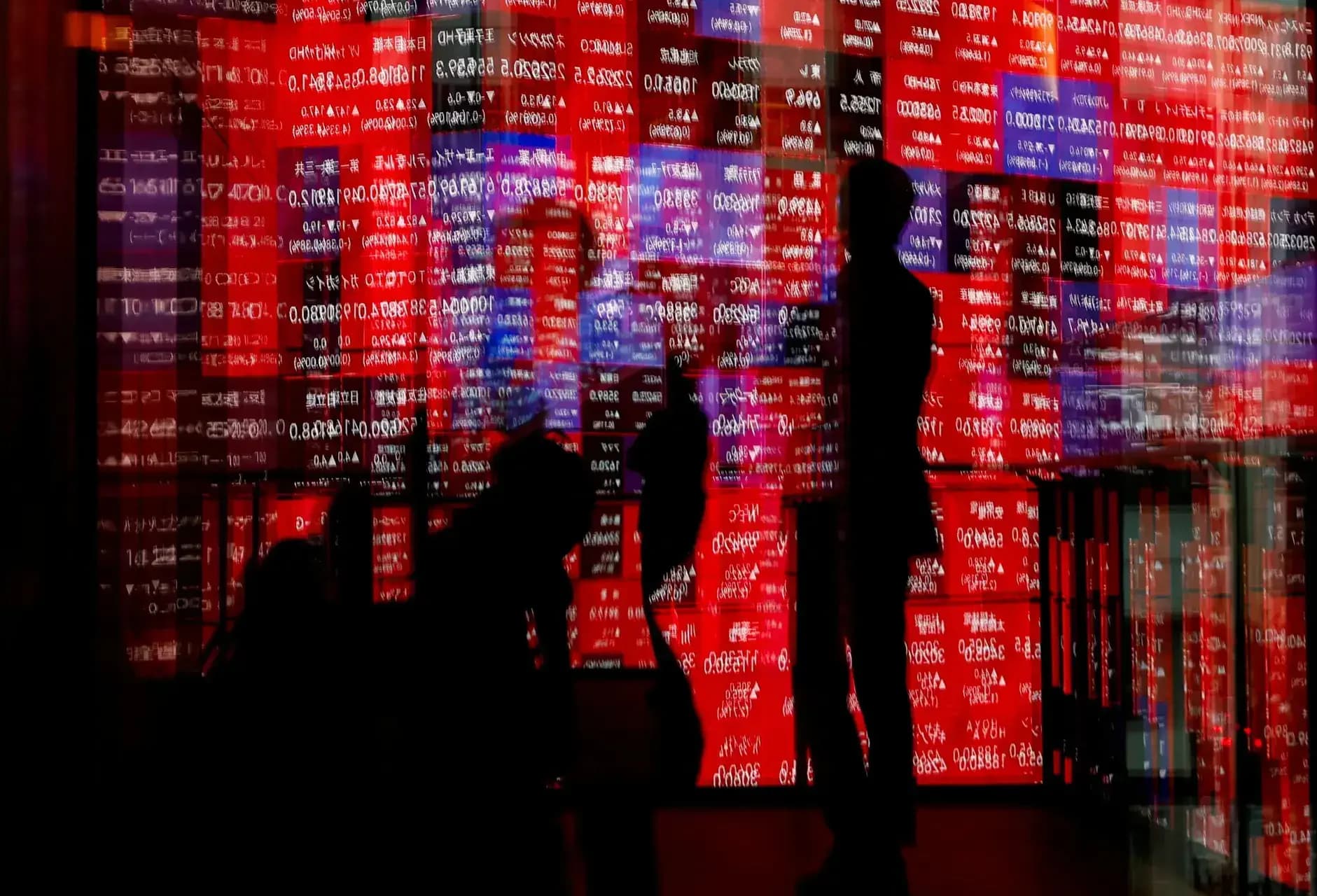
MSCI's Asia Pacific equities gauge advanced 0.2% with Japan shut for a public holiday, while S&P 500 futures rose 0.3% after the underlying gauge eked out a gain Friday, with contracts on the Nasdaq 100 Index climbing 0.4%. The gains in stock indices followed the S&P 500's 1.1% jump on Thursday, which was its strongest single-day rise since early August. The Nasdaq 100 outperformed with a 1.7% advance, while chipmaker stocks surged 3.1% as US markets clawed back losses sparked by the Federal Reserve's first rate increase since 2023. The Fed unanimously raised its benchmark rate by 25 basis points to 3.75%-4.00%, with Chair Kevin Warsh's focus on inflation helping calm recent bond-market selloff. Money markets now price about a 50% chance of another hike in October, while a December increase is fully priced in. The rate increase had been widely anticipated, but markets judged the central bank's overall message as more hawkish than expected after a majority of Fed policymakers pencilled in at least one more rate hike before the end of 2026.
In Asia, MSCI's broadest index of Asia-Pacific shares outside Japan rose 0.55%, with Japan's Nikkei gaining 0.9% and tech-heavy South Korea's KOSPI surging 2%. According to Business Standard, traders also took their cues from a rally on Wall Street overnight, led by beaten-down tech stocks. The tech-heavy Nasdaq 100 climbed 1.7%, while a key gauge of chipmakers jumped 3.1% as investors reassessed the impact of higher rates. This positive momentum in US markets helped lift Asian tech stocks, with Taiwan's strong performance primarily driven by Taiwan Semiconductor Manufacturing Company (TSMC), which commands nearly 40% of the index's weight. The semiconductor giant is seeing heightened investor attention amid strong global chip demand because of rampant AI innovations. In contrast, foreign institutional selling and stronger US Dollar currency weighted on investors sentiment in South Korea, leading to the marginal decline of the KOSPI despite its positive opening. The rebound itself had already started before Wednesday's close, with the S&P 500 finding support around its 100-day moving average and Thursday's move back above the 50-day giving momentum to systematic traders.
Japan's inflation slowed for the first time in four months, largely reflecting the effect of government subsidies, in data released hours before the Bank of Japan's interest-rate decision. All respondents in a Bloomberg survey expect the central bank to raise its policy rate to 1.25% from 1% on Friday, with governor Kazuo Ueda scheduled to hold a press conference after. The yen softened to 156.23 per US dollar in early trading as traders braced for the policy decision from the Japanese central bank later in the day. According to Business Standard, the BOJ is set to raise interest rates to a 31-year high and pledge to deliver more to counter inflation risks. "The key as such for markets is not just whether BOJ hikes, but also how it hikes and the communication by Governor Ueda on the path moving forward," said Michael Wan, currency strategist at MUFG. "With a 25 basis point hike fully priced, the hike alone should do little to support the yen," said Sarah Hammoud, currency strategist at Commonwealth Bank of Australia. Governor Ueda will need to convince markets that the BOJ is inclined to hike rates at a faster pace. We expect the BOJ to hike rates again in December.
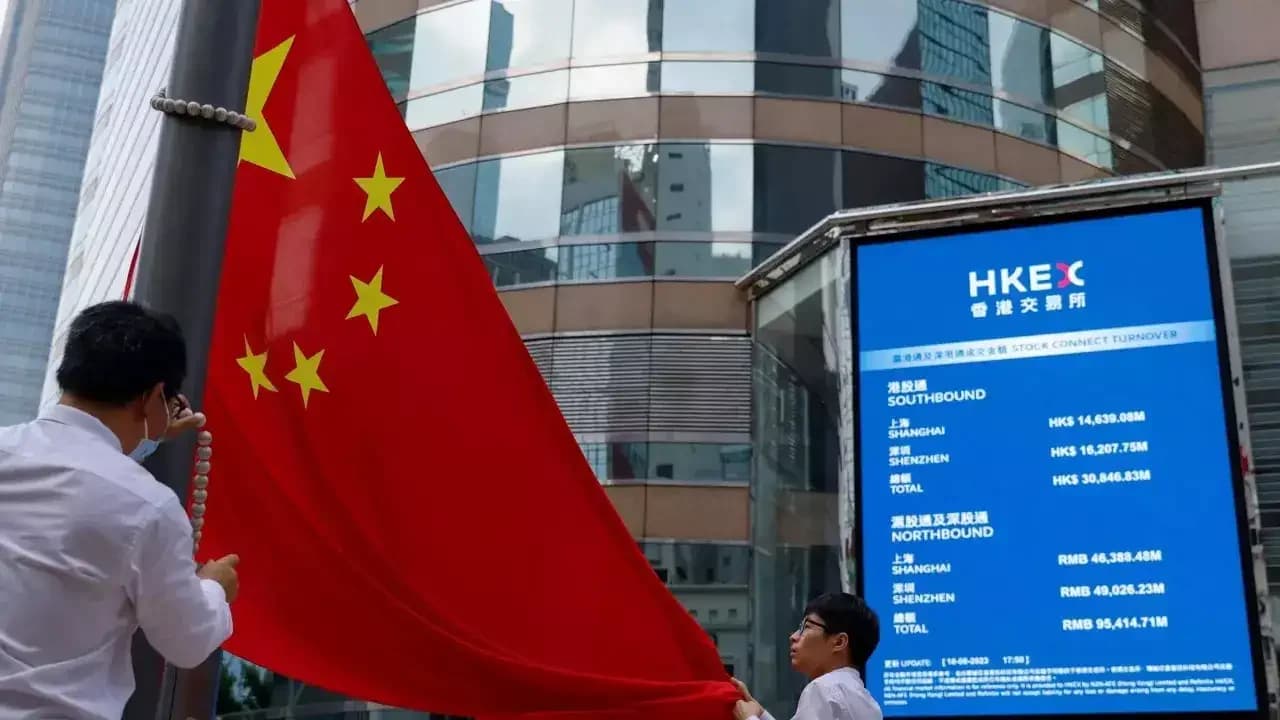
The 10-year Treasury yield closed just below 5% Friday, with cash trading resuming in London later Monday due to the Japan holiday. Gold was a touch weaker at about $4,370 an ounce, while Australian bonds edged lower in early trading, tracking the decline in Treasuries Friday. Expectations for additional Fed rate hikes have pushed investors toward wagers on higher yields in shorter-maturity debt. The summit "is likely to do no more than keep their fragile relationship stable," Commonwealth Bank of Australia strategists led by Joseph Capurso wrote in a note to clients. "We expect the People's Bank of China to continue guiding the CNY stronger ahead of the summit," they added. Higher interest rates will make record debt burdens harder to service and governments must urgently do more to narrow budget deficits, the International Monetary Fund said. In commodities, oil and liquefied natural gas shipments through the Strait of Hormuz have reached their highest level in six months over the past two weeks, a sign that US naval protection and mine-clearance efforts are paying off, with Persian Gulf allies having shipped more than 1 billion barrels of crude through the waterway in the last couple months.