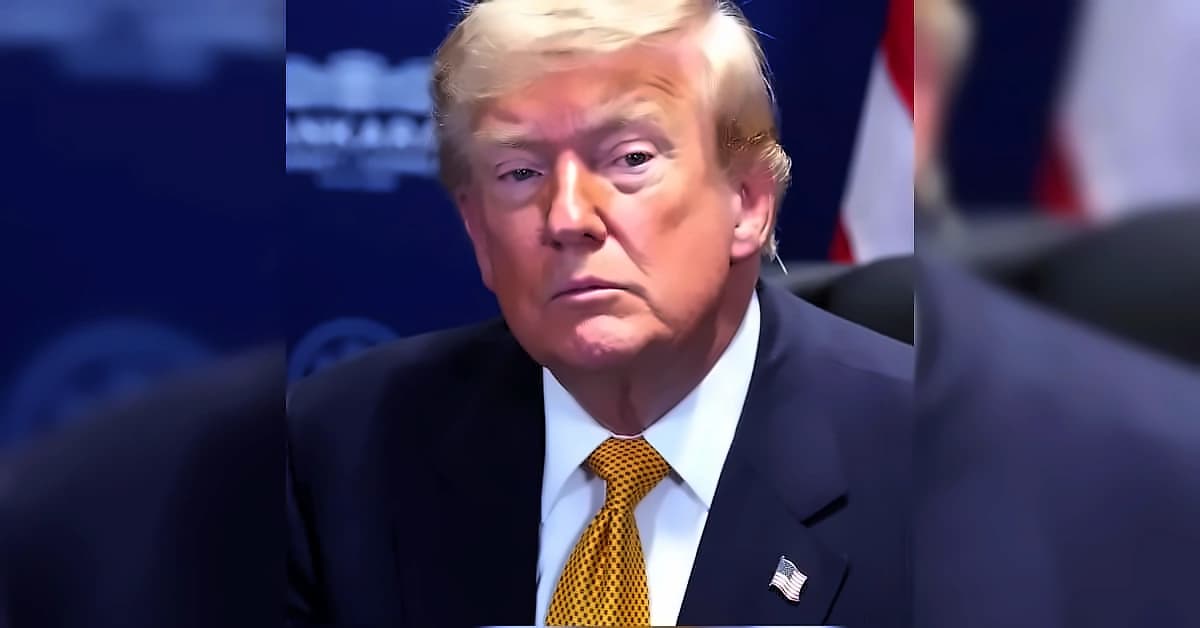
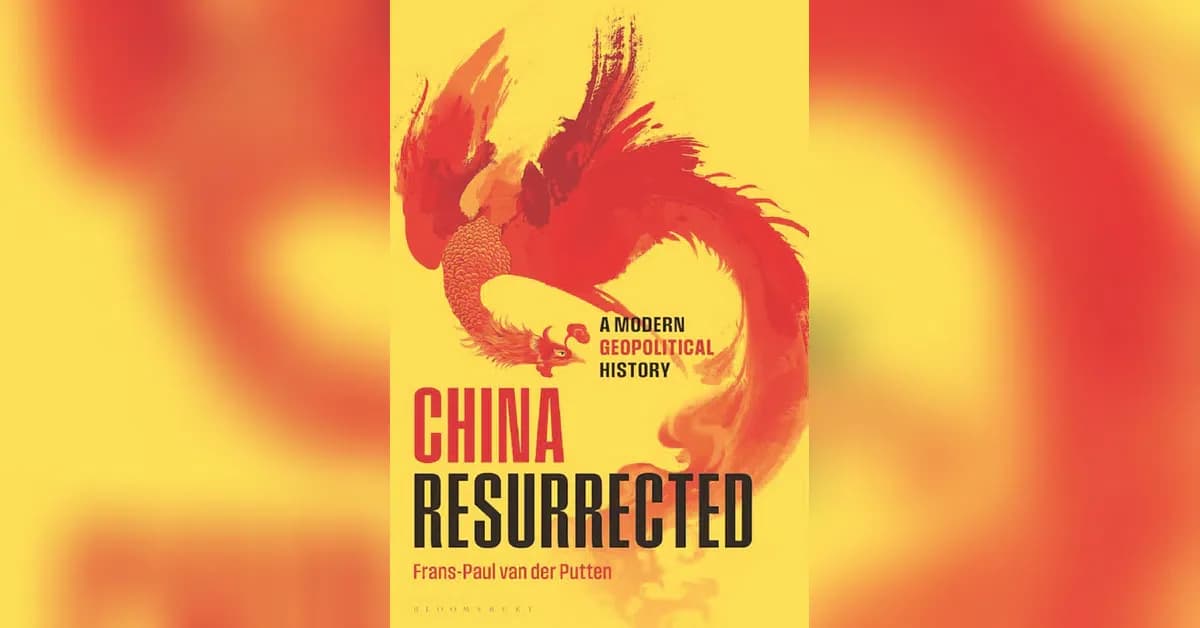
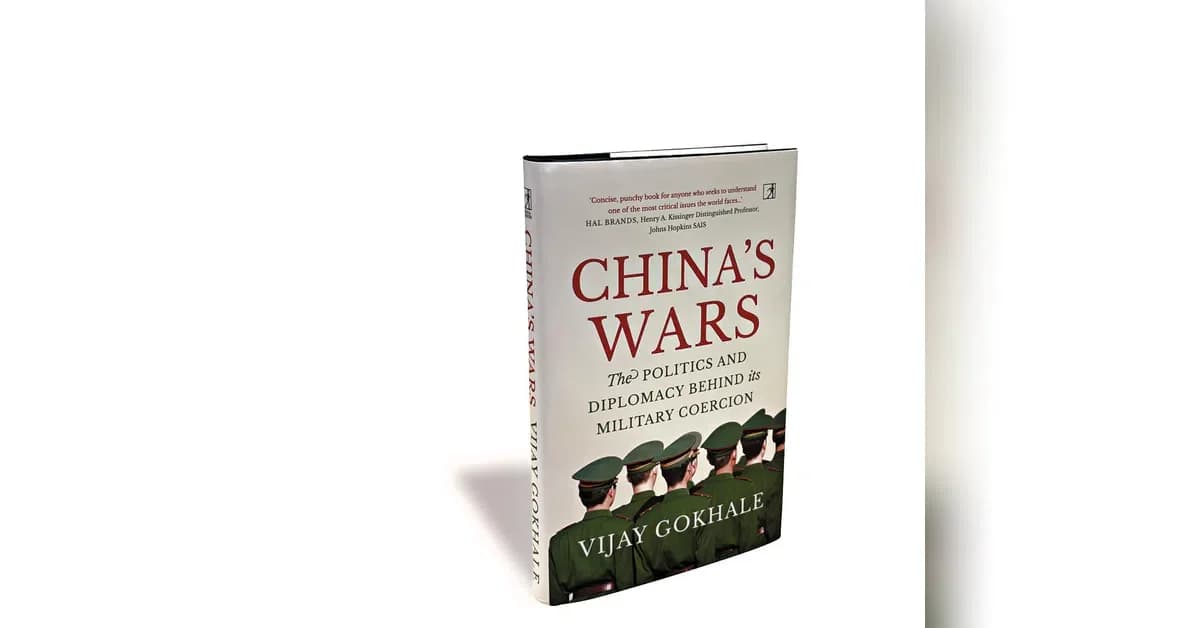
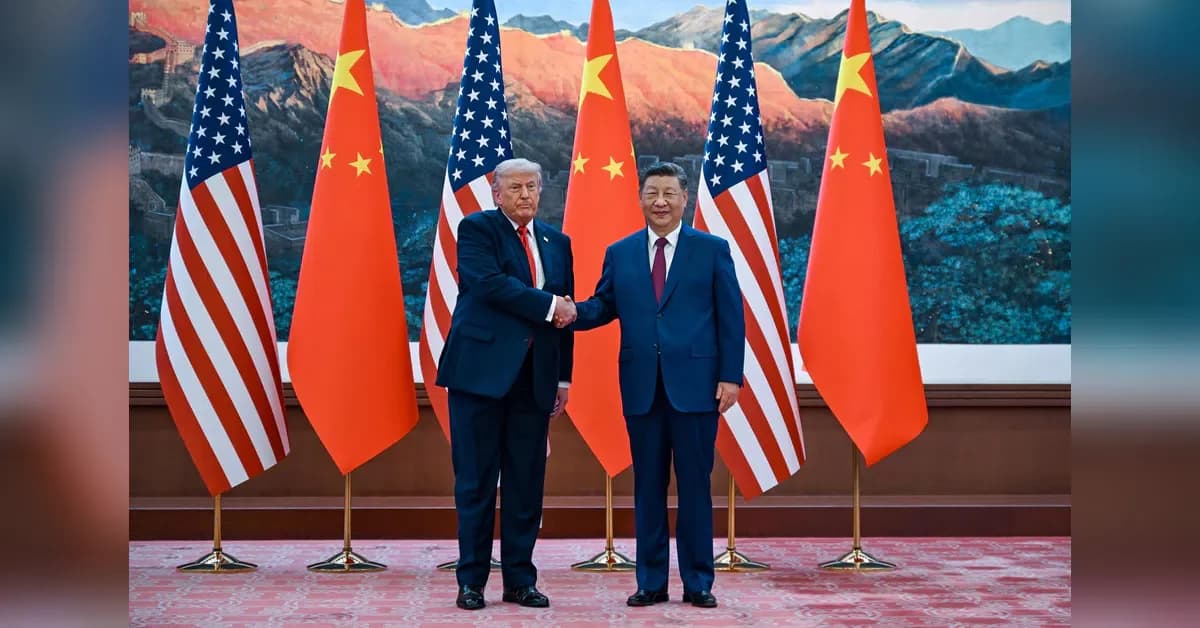
China's leaders continue to treat strategic competition as an enduring and undiminished attribute of the US-China relationship, despite Trump's efforts to show attentiveness to Beijing's concerns. According to recent analysis, Chinese leaders have growing confidence in their country's relative position to the United States, bolstered by Beijing's record of causing Trump to retreat from his 2025 trade war against China. The confidence was further enhanced by China's capacity to withstand the global energy shock from the 2026 Iran war, relying on existing reserves, growing renewable energy capacity, and diversified energy inputs to sustain economic growth while other countries suffered setbacks. Chinese commentators now describe America and China as being on an equal footing and entering a period of 'strategic stalemate'.
The material costs of the Cold War were substantial for both superpowers. As reported by Business Standard, a highly regarded estimate from Stephen Schwartz's 1998 book Atomic Audit: The Costs and Consequences of Nuclear Weapons Since 1940 concluded that the US alone spent $5.5 trillion on its nuclear arsenal. The analysis, which only deals with nuclear weapons development and deployment, does not include comparable assessments for the Soviet Union or expenditures by US allies like the United Kingdom and France. The costs also extend to China's pursuit of its own nuclear capabilities during the Great Leap Forward period.
The US's military commitments have significantly expanded since the Cold War's end, with substantial costs incurred in recent conflicts. According to Business Standard reports, the Bush administration's wars in Afghanistan and Iraq proved costly, with the Afghanistan conflict dragging on for two decades until the Biden administration's withdrawal in 2021. The Iraq war cost US taxpayers $3 trillion according to a Harvard University study, with nearly 4,500 US military personnel losing their lives. The Trump administration's February war against Iran has further strained US military capabilities, with the Pentagon requesting a defence budget close to $1.5 trillion and asking for substantial supplements to cover war wastage costs.
Recent analysis suggests that the US and China are locked into a state of competitive interdependence rather than outright conflict. As noted in Foreign Affairs, both powers cannot achieve everything they want at a price they are willing to pay, requiring mutual concessions. The United States and China will probably never grow to love each other – their foundational principles and preferences are simply too divergent – but they cannot live without each other in the globalised economic environment of the twenty-first century. This mindset requires that both powers relinquish something they desire, with neither able to single-handedly impose its will on the other. The concept of cold peace emerges as a strategic approach where major unresolved geopolitical tensions are addressed through diplomatic and non-military means, with conscious attempts to moderate the potential for conflict through crisis prevention and negotiation.
Despite Trump's efforts to remove irritants in the bilateral relationship, significant obstacles remain to concrete cooperation. As reported by recent analysis, it likely is beyond the reach of American and Chinese leaders to negotiate AI principles to reduce risks, such as agreeing to partner in preventing nonstate actors from malicious use of AI to create bioweapons. Similarly, it is unlikely that the two leaders would jointly advance any process toward cessation of hostilities in Iran, Ukraine, or elsewhere. There likely will not be progress in arms control or efforts to advance rules of behavior in under-governed domains, such as space and cyber. In a best-case scenario, the two leaders could agree to joint efforts to reduce the risk of U.S.-China confrontation, including agreements around military exchanges and maintenance of open bilateral channels of military-to-military communication.