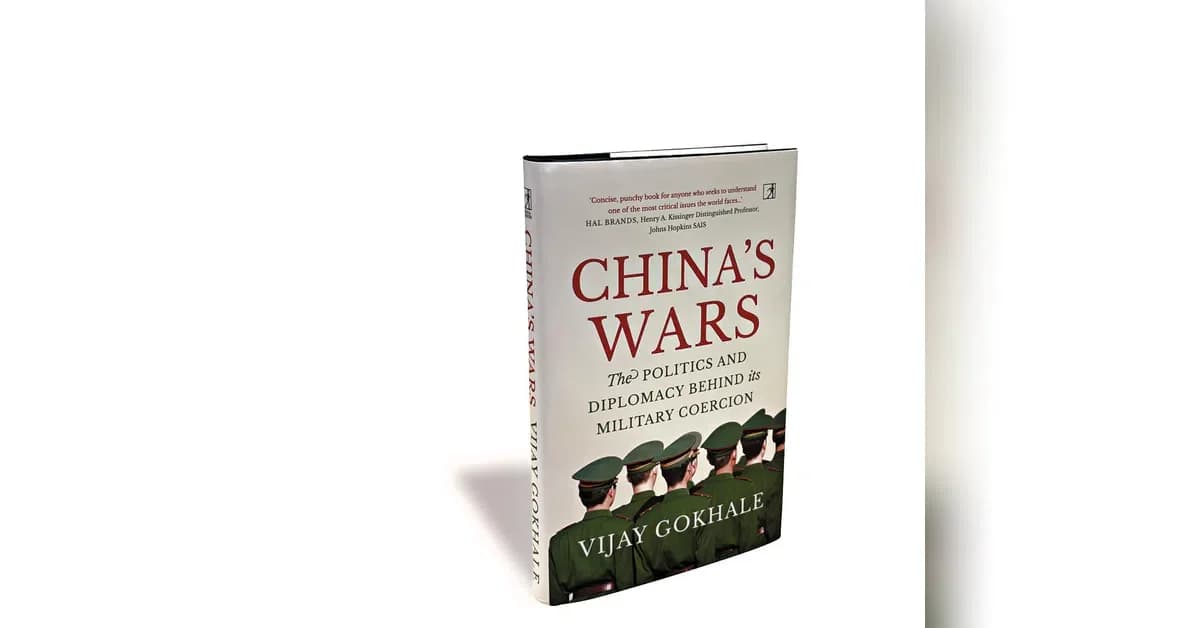
Former foreign secretary Vijay Gokhale has analyzed China's military coercion strategy in his book China's Wars - The Politics and Diplomacy Behind its Military Coercion. According to the analysis, China employs a 'fight-and-talk' tactic developed during the Taiwan Strait crisis of 1958, creating two arenas - fighting and talking - to retain military initiative while forcing desired outcomes through negotiations. This strategy has been consistently used in India's grey-zone conflicts since 2013, including Depsang (2013), Chumar (2014), Doklam (2017) and Galwan (2020).
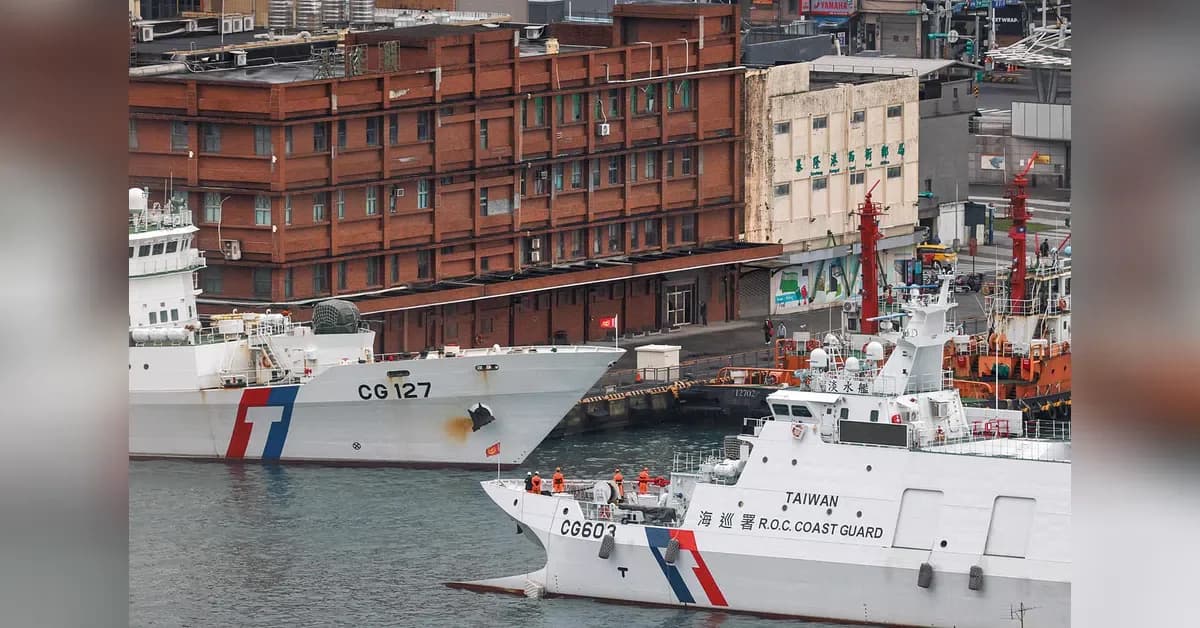
The Philippines is experiencing China's grey-zone coercion tactics through the Scarborough Shoal structure, which China has maintained control of since a 2012 standoff with Philippine forces. As reported by BusinessWorld, the shoal is prized for its rich marine resources and strategic position near major shipping lanes. Edmund S. Tayao, president of Political Economic Elemental Researchers and Strategists, told BusinessWorld that authorities may consider more direct action, such as removing the structure, as this could lead to a more permanent Chinese presence. China's strategy involves 'diplomatic browbeating' through repeated warnings regarding bilateral relations, with Tayao noting that China will again warn of repercussions if the Philippines takes action.
China initiates grey-zone conflicts through gradualist measures using civilians like herdsmen or civilian infrastructure pretexts. The strategy involves creating conditions where target states must resist intrusions without escalating or suffering reputational damage for attacking Chinese civilians. China then builds military pressure while proposing negotiations to dilute resolve, creating a strategic narrative justifying its 'counter-attack in self-defence' if the target responds with force. Once limited objectives are achieved in the fighting arena, China quickly opens negotiations to resolve matters and solidify the new status quo.
According to the analysis, China's military coercion is fundamentally pre-emptive, not defensive, with military gains being secondary to political objectives. The PRC rarely seeks large-scale conflict but aims to upset adversary calculations and force radical re-evaluation of positions. China prefers securing political objectives through force threat or display rather than actual use, preferring to force adversaries to initiate military action to justify defensive plans. The strategy involves testing force deployment capabilities through tension creation to probe adversary resolve and military capabilities before escalation.
The Philippines is exploring diplomatic alternatives to confront China's coercion, with experts suggesting transparent bilateral negotiations rather than closed-door discussions. Chester B. Cabalza, president of International Development and Security Cooperation, advocates for open dialogue with China, stating that both Chinese and Filipino people need to understand the truth in their maritime disputes. Meanwhile, Senator Vicente Sotto III is pushing for the Philippines to file a counter-declaration to China's High Seas Treaty ratification, warning that failing to object within six months could imply consent to China's jurisdiction claims. The Philippines' experience with grey-zone coercion positions it as having hands-on experience for future strategic planning, requiring constant vigilance against China's opportunistic power tactics.