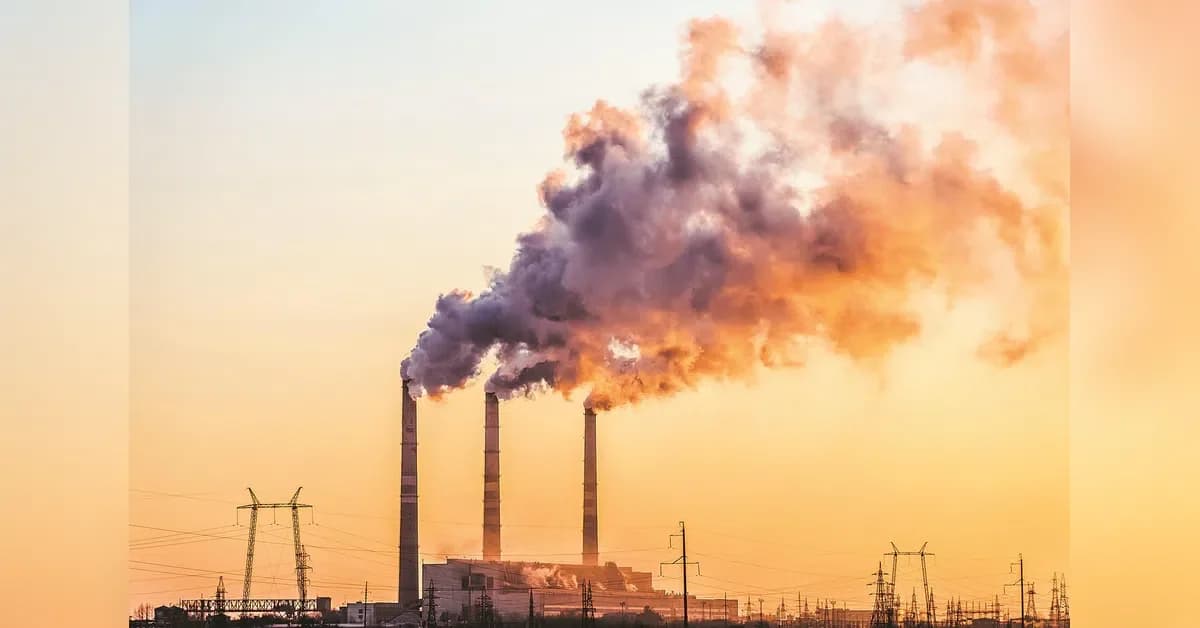
According to a study by the Council on Energy, Environment and Water (CEEW), G20 countries could achieve significant financial savings through behavioral changes in passenger transport. The study, titled A Global Mission LiFE: Mitigation Potential of Behavioural Change in Passenger Transport in G20 Countries, projects that commuters across G20 countries carpooling, using buses more, and working from home part of the week could save $90 billion in annual oil costs by 2050. This substantial reduction in oil consumption would translate to 2,715 million tonnes of oil use saved in transport between 2025 and 2050, representing approximately 59% of global oil demand in 2024 and cumulatively worth $2.3 trillion at April 2026 oil prices. The study builds on India's Mission LiFE (Lifestyle for Environment), a framework launched at COP26 to promote sustainable, low-carbon habits.
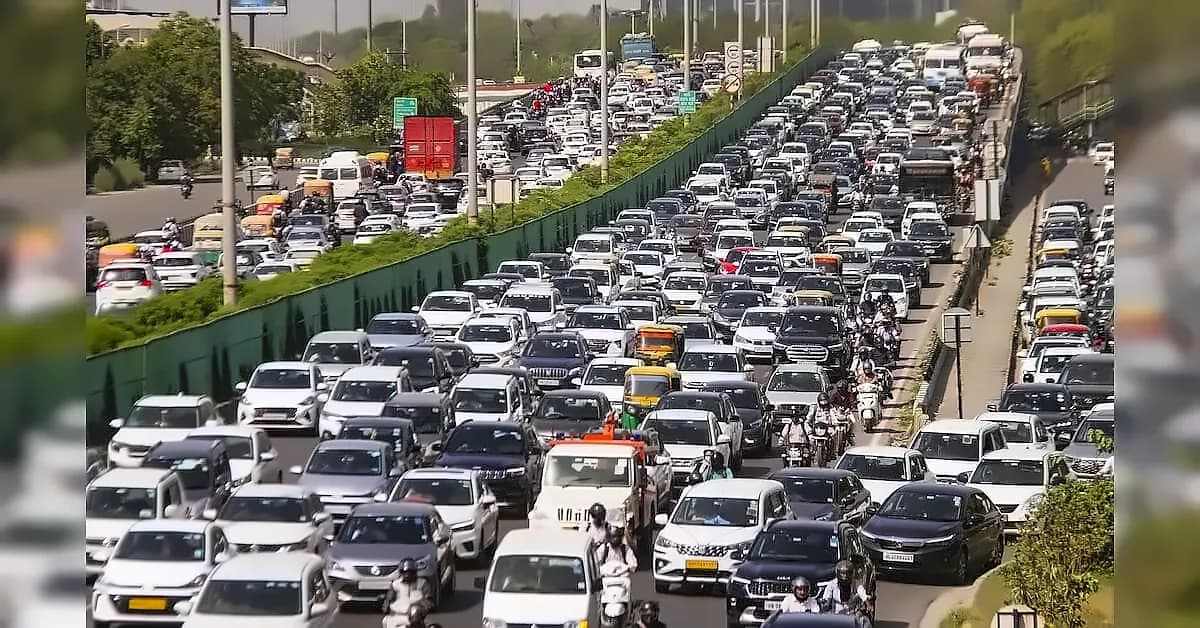
The behavioral changes could deliver substantial environmental benefits, with the study projecting passenger transport emissions could fall by 408-538 million tonnes of CO2 annually by 2050. This represents a significant contribution to global climate mitigation efforts, as reported by CEEW. The savings are valued at $2.3 trillion at April 2026 oil prices, highlighting the substantial economic impact of these behavioral shifts. The study emphasizes that behaviour change could save 2,715 million tonnes of oil use in transport between 2025 and 2050, with the shift ensuring energy security while the biggest beneficiaries would be the largest oil users. For countries most exposed to oil-price shocks from geopolitical conflict, these behavioral changes serve as both a climate measure and a hedge against energy security risks.
According to the CEEW study, the benefits of these behavioral changes are concentrated in countries with high car ownership and long travel distances. Carpooling alone represents the single largest lever at 236-411 MtCO2 annually, with up to 92% of its savings concentrated in developed countries and China. The United States and EU-15 alone are projected to contribute 61-63% of the combined savings, reflecting their high car ownership rates and average travel distances. As reported by CEEW, developed countries and China would deliver 80-88% of the combined savings, with carpooling alone seeing up to 92% of its savings concentrated in these regions due to higher car ownership and lower average vehicle occupancy.
The study reveals stark differences in per-capita emissions savings potential across G20 countries. According to CEEW, an average American's per-capita emissions-saving potential from these combined shifts is up to 56 times an Indian's. This disparity reflects the varying levels of car ownership and average travel distances between different regions. The study suggests that for countries most exposed to oil-price shocks from geopolitical conflict, these behavioral changes serve as both a climate measure and a hedge against energy security risks, with the benefits of carpooling, hybrid work, and bus use not evenly spread across all countries.
The CEEW study recommends that G20 countries place the measurement of behavioural mitigation on the climate policy agenda, enabling common methods for verifying these savings to be incorporated into national climate plans. This would ensure consistent measurement and reporting of behavioural mitigation across different countries, as reported by CEEW. The study emphasizes that these behavioral changes could strengthen energy security while contributing to climate goals, making them particularly valuable for countries vulnerable to oil-price volatility from geopolitical conflicts.