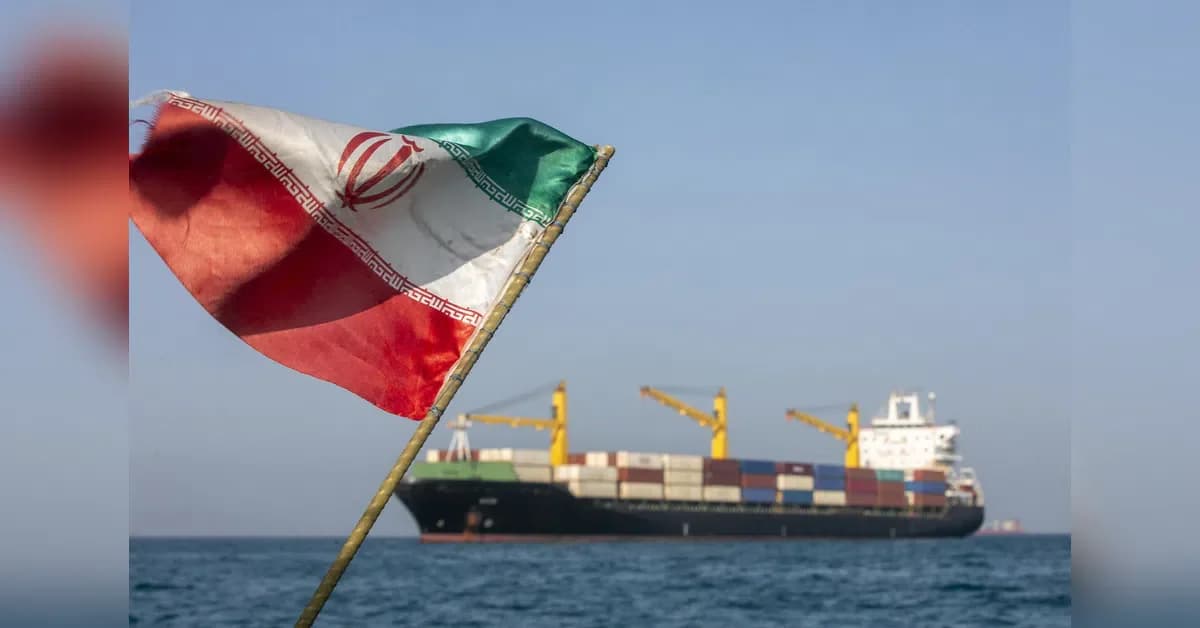
The Iran war has created significant financial strain for global energy consumers, with global fossil-fuel importers incurring more than $330 billion in additional costs since the conflict began on February 28, according to data from the Centre for Research on Energy and Clean Air (CREA). As reported by Bloomberg, this figure is roughly equivalent to Finland's 2025 GDP, highlighting the substantial economic impact of the Middle East disruption. The conflict has sharply increased fossil-fuel prices and raised costs for energy-importing nations, while encouraging governments, companies and consumers to accelerate their shift towards renewable energy alternatives. The International Energy Agency has described the current war in Iran and consequent block of the Strait of Hormuz as "the greatest global energy security threat in history," further emphasizing the urgency of reducing reliance on gas and oil.
China has emerged as one of the biggest beneficiaries of the energy realignment, with its dominance in solar equipment, batteries and electric vehicles positioning its manufacturers strongly as higher oil and gas prices encourage countries to seek alternatives. According to BloombergNEF, China recorded five consecutive months of record clean-tech exports in dollar terms after the conflict began. In July, Chinese automakers exported more than 500,000 electric vehicles and plug-in hybrids, about 150% higher than a year earlier. The country avoided nearly $8 billion in fossil-fuel imports between March and July due to renewable-energy capacity added since 2020, as estimated by CREA. This dominance has been further strengthened by the current geopolitical tensions, with China's position as a major energy supplier making it less vulnerable to Middle East disruptions.
European cities are leading the transition to locally produced renewable heating and cooling networks, with district heating and cooling (DHC) networks powered by clean sources replacing individual heating systems. A notable example is the resident-led Warm Assendorp energy community in Zwolle, Netherlands, which initially covered 172 homes and 2 schools but expanded to 500 homes and additional buildings due to strong engagement. The DHC system is forecast to produce 5.8 GWh per year of renewable heat, saving 1,835 tonnes of emissions in CO2-equivalents annually - roughly equivalent to taking about 400 cars off the road for a year. Heating and cooling account for almost half of the EU's energy use, making efficient DHC networks essential for achieving climate neutrality and energy independence. Community energy initiatives are fostering social acceptance, co-ownership, and long-term commitment, making networks more sustainable and resilient against geopolitical tensions.
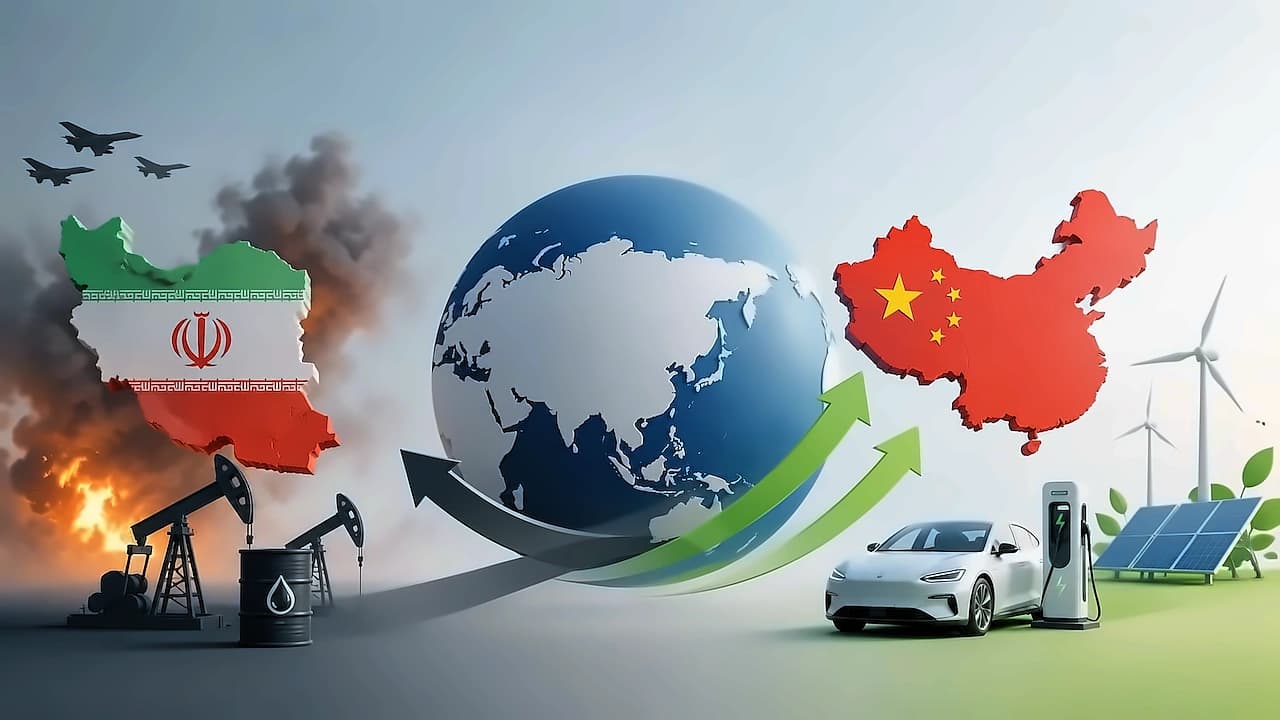
Southeast Asia has demonstrated the most dramatic shift in consumer behavior, with Indonesia's vehicle sales surging roughly 34%, concentrated overwhelmingly in electrified models. Thailand's first-half EV sales rose by about a third, taking battery-electrics to close to a quarter of everything sold. At Jakarta's major auto show in late July, BYD unveiled a plug-in hybrid aimed at buyers still wary of charging infrastructure and range — Chinese automakers hedging across the full spectrum of electrification. This shift is driven by household economics rather than climate conviction, as consumers escape the lived, monthly volatility of imported fuel. The region's exposure to both Strait of Hormuz and Red Sea chokepoints makes it particularly vulnerable to energy disruptions, accelerating the move toward electrification.
The Gulf region has borne some of the biggest costs from the conflict, with drone strikes and explosions damaging major energy facilities including Saudi Arabia's largest oil refinery and a key LNG export terminal in Qatar. Initial energy-export losses across the Gulf averaged nearly $2 billion a day in March, according to an estimate from Rice University. Rystad Energy separately estimated that as much as $58 billion worth of energy infrastructure had been damaged. The conflict has also increased borrowing costs in the region, potentially slowing clean-energy investments, according to BloombergNEF analysts. The region's vulnerability to Middle East disruptions has made it particularly important for global energy security and transition planning.