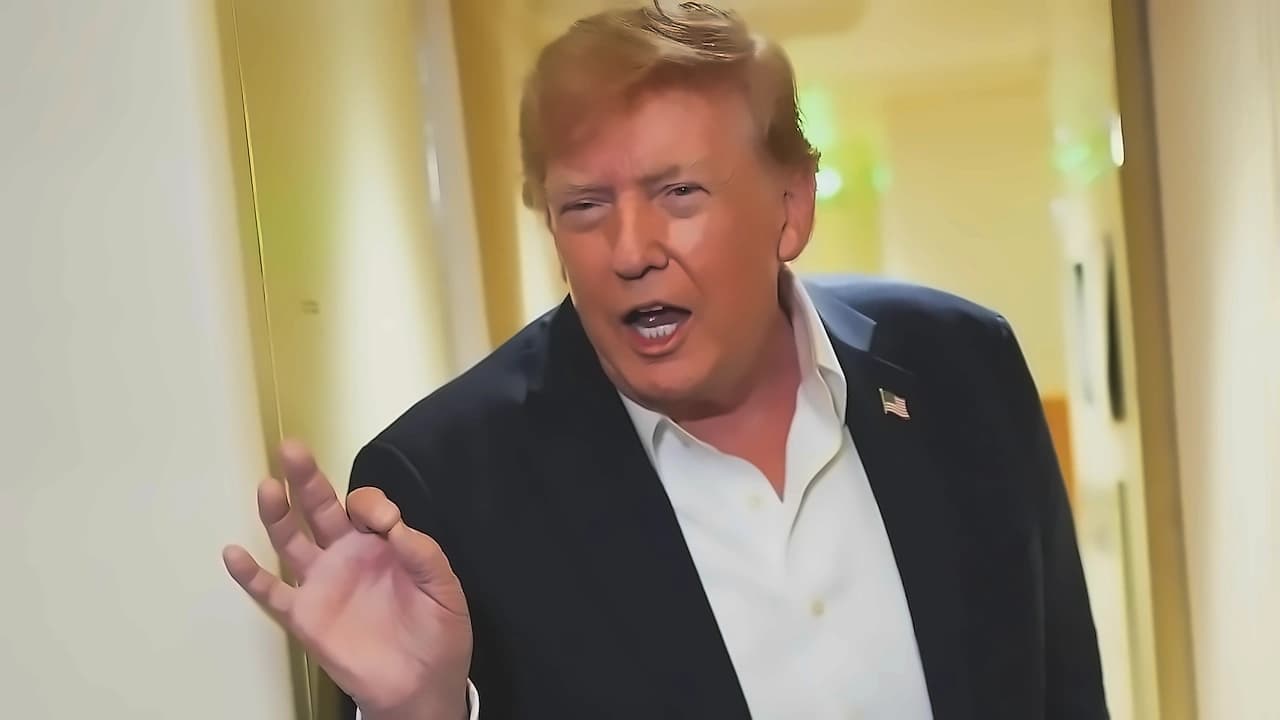
President Donald Trump confirmed Saturday that he has approved new fuel economy standards that would roll back Biden-era vehicle efficiency rules, marking a definitive shift in US automotive policy. According to The New York Times, a U.S. official confirmed that new Corporate Average Fuel Economy standards will be released Monday, with Trump stating that the change would lower vehicle prices, save families thousands on new cars and help automakers expand U.S. manufacturing. The rollback is expected to give automakers more flexibility to produce gasoline-powered pickups and SUVs, which generally have lower fuel efficiency but higher profit margins. Trump emphasized that the new standards would 'take the waste out of building cars in America' and produce 'far better than the Environmental Monsters that we were building heretofore.' In his latest statement on Truth Social, Trump specifically credited the move to ending what he called 'the Dumocrats cost our Great Auto Manufacturers $Billions, forced Americans into cars they never wanted, and wasted Billions on Chargers that were never built.'
If the final rule mirrors the original proposal from the National Highway Traffic Safety Administration, it would lower the fuel-economy requirement for 2031 model-year vehicles to 34.5 miles per gallon (14.67 kilometers per liter) from about 50.4 mpg previously. As reported by The New York Times, the prior proposal estimated that the rollback could reduce the average upfront price of a new vehicle by about $930. However, the same proposal was also projected to increase fuel consumption by roughly 100 billion gallons through 2050, add about $185 billion in fuel costs and raise carbon dioxide emissions by about 5%. The Biden-era standards were designed to cut fuel use and emissions while encouraging more fuel-efficient, hybrid and electric vehicles, though they did not require consumers to buy electric vehicles. The lowered standards would represent a major win for the auto and oil industries that complained the Biden-era requirements push the bounds of available technology and effectively discourage the sale of traditional gasoline-powered vehicles in favor of electric models.
Trump announced that his administration is investing $100 billion in American autos, with the president stating that 'The Plants are coming back, and Jobs are returning, to Michigan, Ohio, Indiana, South Carolina, and all over our Country.' According to The New York Times, Transportation Secretary Sean Duffy responded to the president's comments Saturday with his own social media post, saying that a 'major victory for America's auto workers is COMING MONDAY.' Ford CEO Jim Farley has previously hailed Trump's plan to lower fuel standards as a 'victory for affordability and common sense', telling 'Fox & Friends' in December that 'we will be able to offer more affordability on our popular models, and we'll be able to launch new vehicles built in America that are more affordable because of this rule change.' The changes come as diesel prices set a record high and gasoline prices reached their highest level ever for September, extending a rally driven by the Iran war and Russia's invasion of Ukraine.
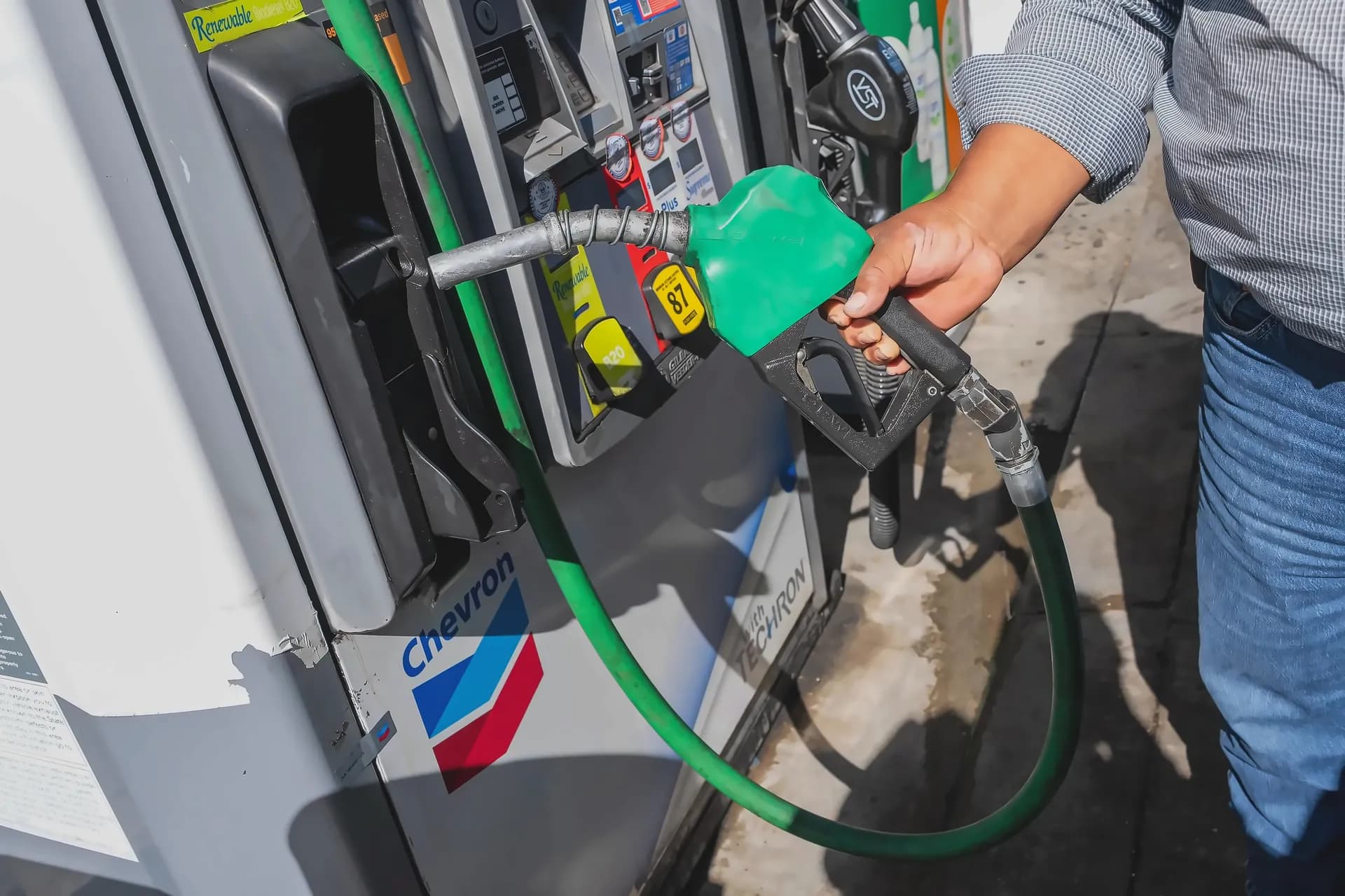
Trump signed a trio of congressional resolutions in June ending California's restrictive rules for diesel engines and mandates on elective vehicle sales, with Trump celebrating that his signature 'will kill the California mandates forever.' According to The New York Times, Trump criticized California's 'ridiculous plan to impose a 100% ban on all new gas-powered cars within a very short period of time,' stating that 'they don't have enough electricity right now' and noting that California experiences blackouts and brownouts. The president also ended Biden's electric vehicle tax credits last year in the One Big Beautiful Bill Act, with Trump stating that 'the Dumocrats cost our Great Auto Manufacturers $Billions, forced Americans into cars they never wanted, and wasted Billions on Chargers that were never built.' Environmental groups have criticized the move, arguing that less fuel-efficient vehicles could mean higher costs at the gas pump and more pollution, with Atid Kimelman from Natural Resources Defense Council stating that the Trump administration is forcing Americans to pay more at the pump while oil companies benefit from gutting the fuel economy standards.