Raymond Greene, the United States' de facto ambassador to Taiwan, has issued a stark warning about the potential economic consequences of military conflict in the Taiwan Strait. Speaking at a defence forum in Taipei on Wednesday, Greene stated that any conflict across the Taiwan Strait would have a bigger impact on the global economy than World War Two. The warning comes as the United States under the Trump administration has made preserving peace in the Indo-Pacific one of its top priorities, with Greene emphasizing that there was no topic more timely or important than how to secure peace in the Taiwan Strait. The diplomatic intervention highlights the US commitment to maintaining stability in the Taiwan Strait while avoiding direct military confrontation.
Greene, who heads the American Institute in Taiwan (AIT), plays a crucial diplomatic role in maintaining US-Taiwan relations. As reported by Reuters, the AIT performs many of the functions of a US diplomatic mission because Washington does not maintain formal diplomatic relations with Taiwan. Speaking at the defence forum, Greene noted that the United States under the Trump administration has made preserving peace in the Indo-Pacific one of its top priorities, including vigorous diplomacy, especially at the highest levels. He emphasized that the upcoming U.S.-China summit is an opportunity to further advance a relationship of strategic stability, on the basis of fairness and reciprocity, that can avoid misunderstandings and miscalculations. Chinese President Xi Jinping is expected to travel to the United States later this month for a meeting with President Donald Trump.
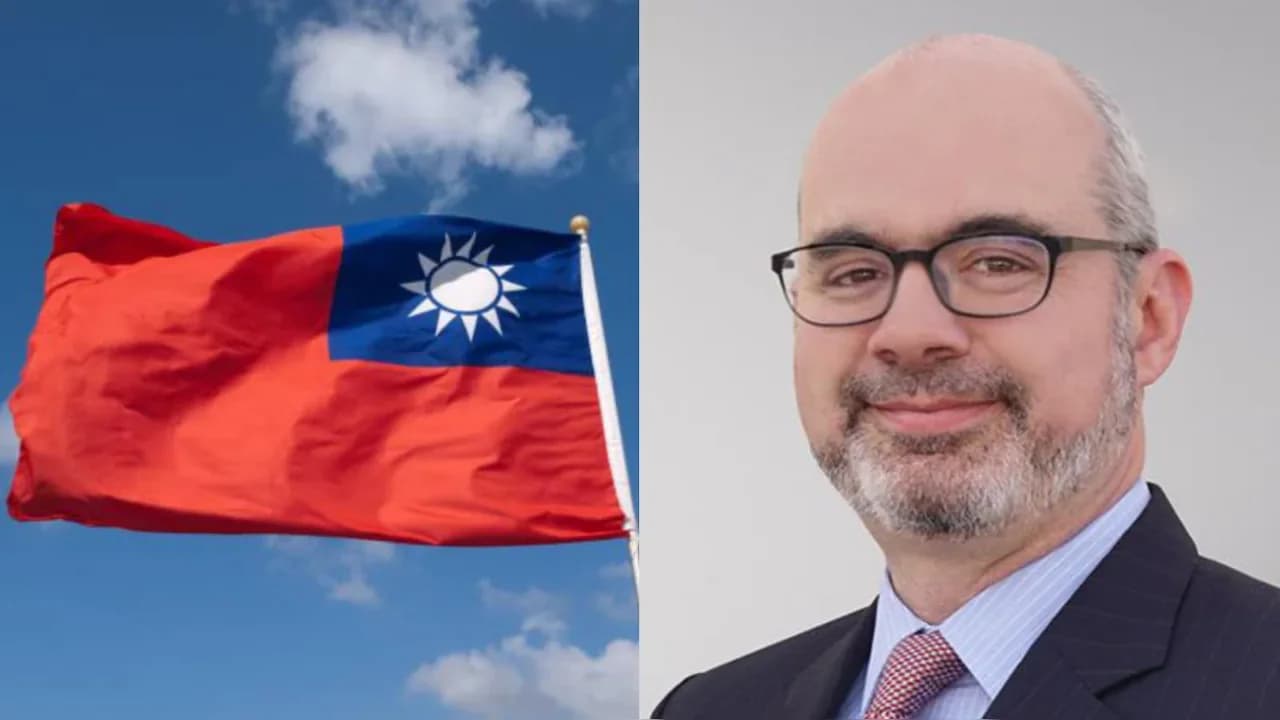
Greene emphasized the importance of preventing military confrontation between China and Taiwan during his remarks at the defence forum. He urged Beijing to abandon military pressure on Taiwan and pursue dialogue with Taipei instead. The diplomat also highlighted that the United States is reinforcing its presence and partnerships in the Indo-Pacific region to maintain a favourable regional balance of power. This diplomatic approach reflects the US position that peaceful resolution through dialogue is preferable to military escalation in the region, with Greene stating that the upcoming U.S.-China summit is an opportunity to avoid misunderstandings and miscalculations. The current geopolitical landscape shows China piling unprecedented pressure on its Pacific coast, a vital lifeline with US allies, as reported by Bloomberg.
Taiwan President Lai Ching-te's administration has made stepped-up defence spending and military modernisation priorities given the threat level from China. The government, which rejects Beijing's sovereignty claims, has budgeted defence spending for next year to exceed T$1 trillion for the first time. Greene noted that the United States is also supporting Taiwan's work to enhance its ability to defend itself, as part of the broader regional strategy to maintain stability. This defense enhancement comes as Taiwan faces continued military pressure from Beijing, with the island's democratically governed government maintaining its stance against Chinese sovereignty claims. The current situation shows Taiwan flexing its chip diplomacy muscles at major trade shows, portraying itself as a democratic and reliable supplier for the AI revolution, while signalling willingness to share benefits with like-minded partners, as reported by Reuters.