Foreign ministers from the 11-member Association of Southeast Asian Nations and major partners gathered in Manila this week against a backdrop of instability since the U.S. and Iran resumed open conflict. According to reports from Reuters, the ministers expressed 'serious concern' that these developments severely undermine ongoing efforts of key mediators and diminish prospects for peaceful resolution through dialogue and diplomacy. The crisis has raised fears about energy supplies through the Strait of Hormuz, as well as inflation and global growth concerns for the region. In a joint statement after closed-door meetings, the ministers said: 'We expressed serious concern over the rapidly evolving situation in the Middle East, particularly the renewed hostilities involving the United States of America and the Islamic Republic of Iran' and called for 'an immediate halt to fighting in the Middle East and the full and safe reopening of the Strait of Hormuz'. The ministers also reaffirmed the obligations of states to peacefully resolve their differences and respect national sovereignty and territorial integrity.
Southeast Asia, a bustling region of more than 680 million people, relies heavily on Middle East oil and gas and was severely hit by the global supply and price shocks sparked by the Iran war. As reported by Associated Press, Philippine President Ferdinand Marcos Jr. declared a national energy emergency in March to ensure the availability of fuel, food and other basic goods and prevent hoarding and profiteering. Southeast Asia, a major oil importer with a combined gross domestic product of $3.8 trillion, is highly exposed to the supply crunch. The bloc has sought to fast-track an ASEAN oil-sharing mechanism to mitigate the impact of potential energy disruptions. Recent developments include Yemen's Iran-aligned Houthis announcing a naval blockade on Saudi Arabia, opening a potential new front in the conflict and raising threats to global energy supplies and trade beyond the Gulf region.
Tensions between Manila and Beijing have intensified ahead of an expected meeting between Philippine Foreign Affairs Secretary Maria Theresa Lazaro and Chinese Foreign Minister Wang Yi on the sidelines of Wednesday's ASEAN meetings. According to Associated Press, the Philippine military accused China's Coast Guard personnel of injuring a Filipino sailor during an altercation Monday in the disputed Second Thomas Shoal. Chinese coast guard personnel aboard a motorboat repeatedly struck the sailor on the head with a wooden baton, injuring him and damaging his smaller vessel, the Philippine military said. Philippine President Ferdinand Marcos Jr. called the Chinese Ambassador Jing Quan for a meeting Tuesday afternoon, his spokesperson said without providing details. In Beijing, China's Foreign Ministry said the Philippine ambassador was summoned on Tuesday to protest his country's actions in the confrontation. Chinese Foreign Minister Wang said: 'Certain forces within the Philippine military and police deliberately engaged in provocations and created maritime incidents' that served the interests of 'external forces' and undermined China-Philippines relations. Wang said the South China Sea issue should not be an obstacle in China-ASEAN relations, and that Beijing was willing to work with the bloc to 'eliminate interfering factors'.
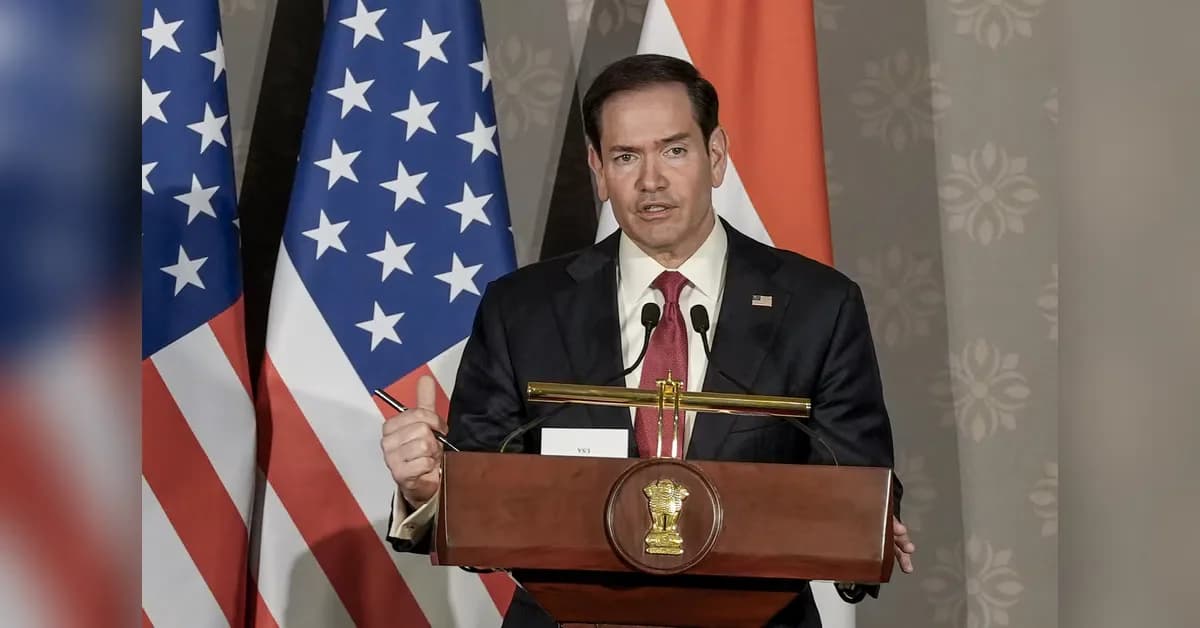
U.S. Secretary of State Marco Rubio arrived in Manila on Tuesday morning for an annual meeting with his ASEAN counterparts on Wednesday, where the Middle East crisis will be high on the agenda along with other security and economic issues. As reported by Associated Press, Rubio plans to join regional security talks called the ASEAN Regional Forum, which will also include the European Union, Russian Foreign Minister Sergey Lavrov and Chinese Foreign Minister Wang Yi. Rubio will meet Wang on the sidelines on Wednesday, the State Department said, marking the highest-level contact between the U.S. and China since President Donald Trump flew to Beijing in May for talks with Chinese President Xi Jinping that focused on the U.S.-Israel war on Iran, trade and the status of Taiwan. Rubio reiterated that a 2016 arbitral ruling which invalidated China's sweeping sovereignty claims in the South China Sea was final and binding and said the U.S. would honour its obligations to the Philippines and other allies 'as they confront new and coercive threats to our shared interests'**. The U.S. State Department condemned what it described as China's 'dangerous and aggressive' actions, calling it 'China's troubling pattern of provocation against lawful Philippine maritime operations'.
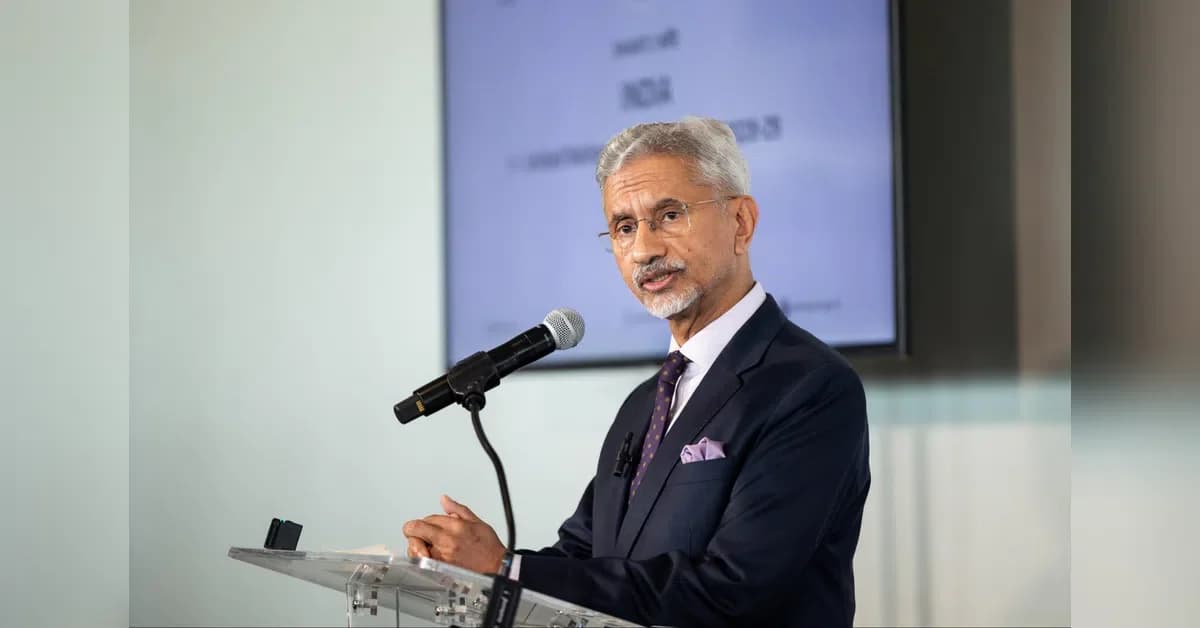
ASEAN will hold a consultation on the conflict in Myanmar on Tuesday, as the bloc's peace initiative falters five years after a military coup that plunged the country into civil war that has killed an estimated 100,000 people. According to Reuters, officials are also likely to discuss tensions in the South China Sea, with ASEAN and China still trying to conclude a code of conduct to prevent disputes from escalating after nearly 10 years. The meetings will be attended by India, Japan, Australia, South Korea, Russia, Britain and the European Union, among others. ASEAN ministers were scheduled to meet Wang on Wednesday with an agenda that includes a discussion on the status of negotiations between China and the regional bloc on a proposed pact called a 'code of conduct,' which aims to prevent territorial disputes in the South China Sea from spiraling out of control. The proposed nonaggression pact has been negotiated by the two sides for about two decades, with China and ASEAN aiming to conclude talks within the year.