Iranian negotiators walked out of peace talks with the United States in Switzerland on Sunday night after US President Donald Trump threatened to resume military strikes on Iran. As reported by Reuters, Tehran later said the talks had 'paused' but not collapsed entirely, contradicting earlier reports of a complete breakdown. The talks were taking place at the Qatari-owned Bürgenstock resort in Switzerland, marking the first round since Washington and Tehran signed a memorandum of understanding last week that called for reopening the Strait of Hormuz and a ceasefire 'on all fronts,' including Lebanon. A US diplomat told reporters early on Monday that talks are expected to continue through the night, according to The Telegraph, contradicting Iran's claims of a complete halt. According to Bloomberg, negotiations extended into the early hours of Monday and focused on issues such as safeguarding navigation through the Strait of Hormuz and ensuring compliance with the ceasefire between Israel and Hezbollah in southern Lebanon.
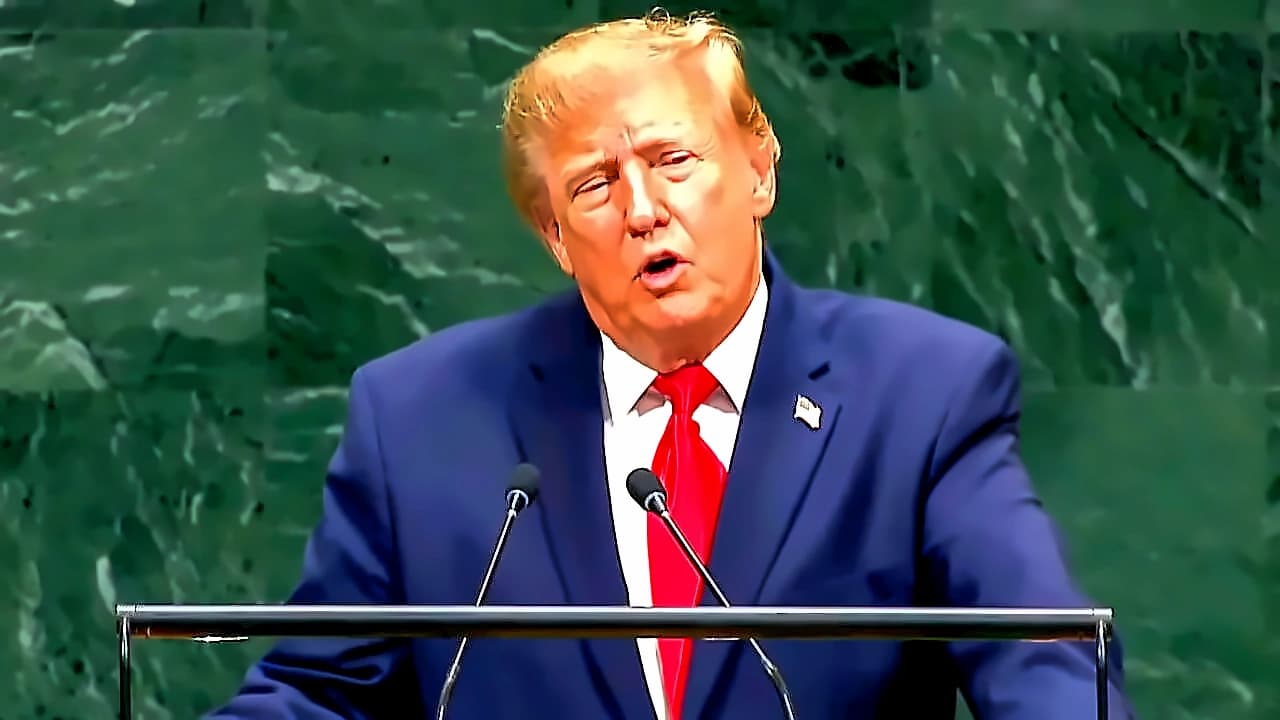
US President Donald Trump has escalated his threats against Iran, stating that the United States could take control of the Strait of Hormuz and impose tolls on oil shipments if required. Speaking to Fox News, Trump revealed that he spoke with Iranian officials overnight, warning Tehran against any attempt to close the critical maritime chokepoint. According to Fox News, Trump told Iranian leaders that 'they won't have a country' if the waterway is shut, and used unusually strong language during the conversation. Trump took to Truth Social on Sunday, writing, 'Iran must immediately stop their highly paid PROXIES in Lebanon from causing trouble. If they don't, we'll hit Iran very hard again, just like we did last week, only harder!!!' As reported by Fox News, Trump had earlier told Iranian officials in expletive-laden remarks that closing the strait would cost them their country, warning that the US could 'take over the rest of the country' and threatening to 'blow the s--- out of them.' According to Bloomberg, Trump was quoted as saying that he had warned Iranian leaders that any attempt to close the Strait of Hormuz would carry severe consequences, stating that they would not make it back to Iran.
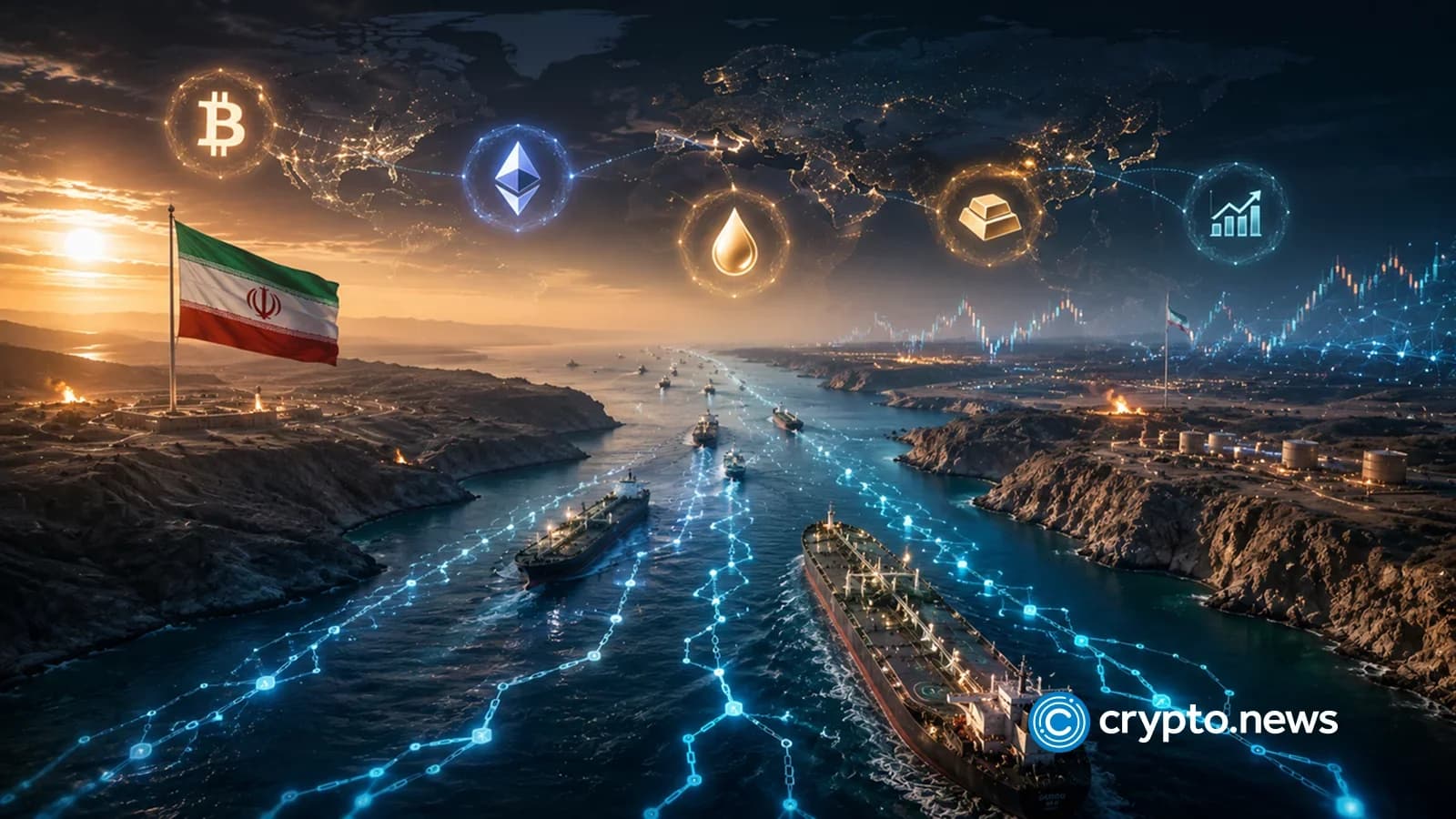
Oil prices rose sharply on Monday after Trump's latest threats against Iran, with Brent crude climbing as much as 2.2% to $82.30 per barrel and West Texas Intermediate trading above $78. As reported by NDTV Profit, the gains came despite high-level talks between US and Iranian officials beginning in Switzerland, where both sides are seeking a broader agreement aimed at de-escalating regional conflict. The negotiations got off to a shaky start after Iranian media reported that Tehran had halted discussions following Trump's warning, but people familiar with the matter said talks continued, with discussions stretching into the early hours of Monday. The meeting comes at the beginning of a 60-day negotiating window established after Trump signed a memorandum of understanding last week to kickstart diplomatic process. According to Bloomberg, crude oil prices have edged higher and are currently trading in the $77–78 per barrel range after recently declining to around $73 per barrel, with the renewed uncertainty pushing prices modestly higher.
The escalation comes after Iran announced on Saturday that it had closed the Strait of Hormuz in response to Israel's attacks in Lebanon. As reported by Fox News, Trump noted that roughly 19 million barrels of crude exited the Persian Gulf the previous day, highlighting the strategic importance of the waterway. Despite Iran's claims that it had again closed Hormuz, millions of barrels of crude continued to move through the passage over the weekend. Meanwhile, Hezbollah and Israel continued exchanging fire, and Iran's Revolutionary Guard Corps declared the Strait of Hormuz shut, citing the violation. Energy markets remain sensitive to any disruption, particularly after months of conflict that have constrained supplies from a region responsible for roughly one-third of global oil production. At the same time, the prospect of a peace agreement could eventually unleash a wave of supply, with around 80 million barrels of crude currently sitting on tankers in the Persian Gulf awaiting clearance to transit Hormuz.
Iranian Parliament Speaker Mohammad-Bagher Ghalibaf has issued a stern warning that Tehran will deliver a 'crushing response' and 'forceful' reaction if the United States violates the terms of the newly agreed framework between the two countries. As reported by ANI, Ghalibaf emphasized Iran's commitment to implementing the conditions set by Supreme Leader Ayatollah Mojtaba Khamenei, stating 'We are at your command; the task assigned to us by the Supreme Leader is to pursue the realisation of the conditions and clauses of the agreement. In the event of bad faith, breach of contract, and excessive demands by the opposing side, we have no hesitation in delivering a crushing response to the enemy.' This represents a significant escalation in Iran's response to perceived violations of the nuclear agreement, with Ghalibaf adding that 'They were once slapped during the war; if they wish to tread that path again, they will receive an even harder slap.'
Supreme Leader Ayatollah Mojtaba Khamenei has stressed that future direct negotiations with the United States should not be interpreted as Iran accepting Washington's positions. According to ANI, Khamenei warned that Iran would not yield if the United States attempted to push for what Tehran considers excessive demands during the negotiations. He emphasized that ''''''''However, it is self-evident that the in-person negotiations that will take place in the future will not mean acceptance of the enemy'''''''s position.'''''''' This position underscores the deep mistrust that continues to shape relations between Tehran and Washington despite the latest diplomatic breakthrough. Despite the challenges, negotiations continued into the early hours of Monday as both sides worked to address the complex issues surrounding the Strait of Hormuz and regional security.